


























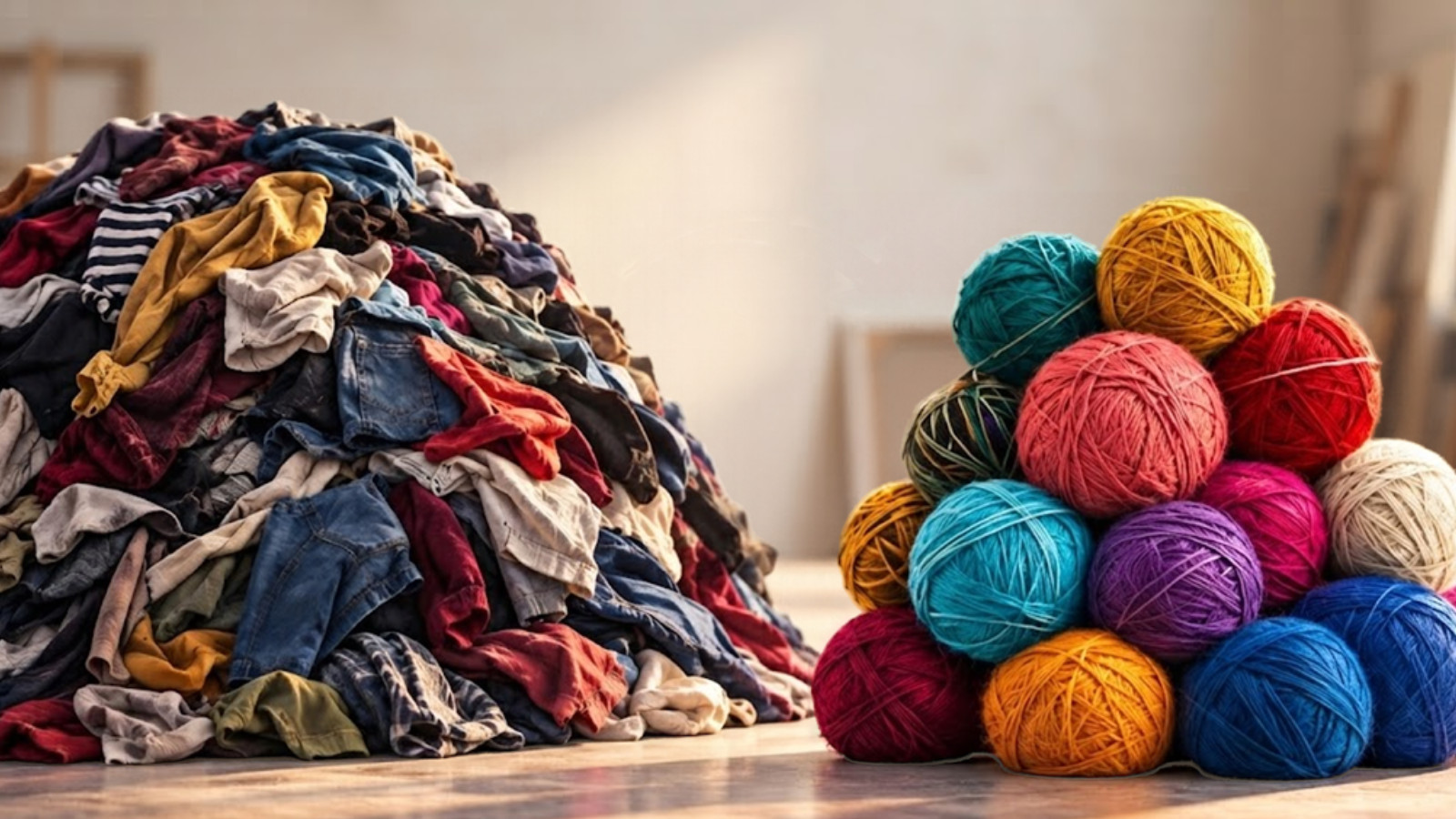
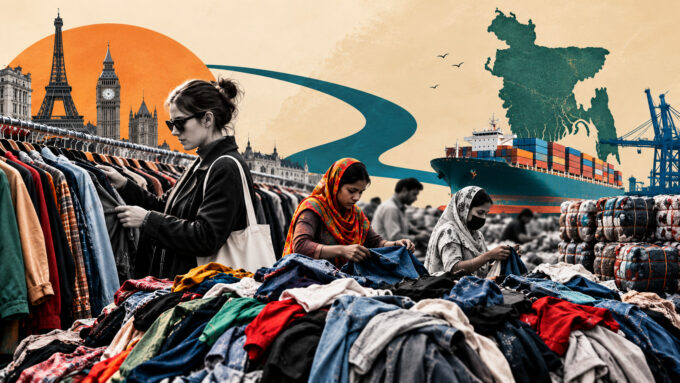
Bangladesh is the world’s second-largest exporter of ready-made garments (RMG), producing billions of pieces of clothing every year. However, this massive production leaves behind something less visible: offcuts, scraps, and rejected fabrics, locally known as Jhut.
According to a recent study, Bangladesh’s garment industry generates an estimated 577,000 metric tons of textile waste annually. While this waste poses significant environmental challenges, it also presents considerable economic opportunities.
Much of this Jhut enters an informal supply chain, where discarded fabric is collected, sorted, traded, and eventually transformed into valuable materials and products.

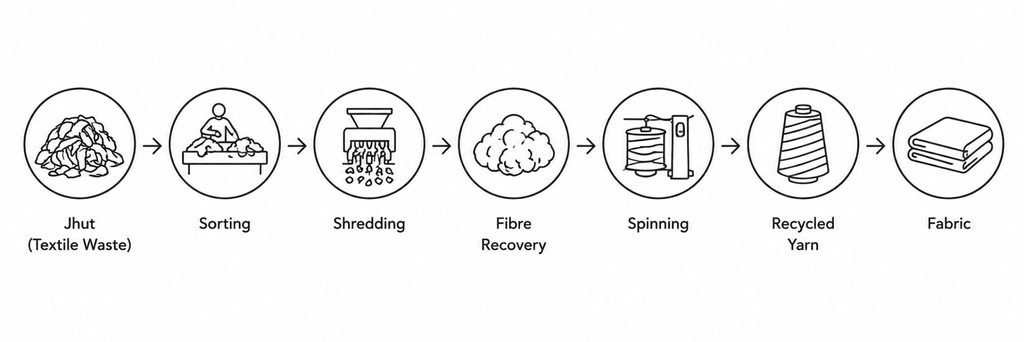
The entire supply chain begins on the garment factory floor, where leftover fabrics from cutting and sewing processes, along with defective pieces, are collected and sorted before being sold to local vendors and waste collectors.
These collectors then transport the materials to major Jhut processing and trading clusters located in Mirpur, Narayanganj, Pabna, and Gazipur. Beyond these major hubs, numerous smaller Jhut clusters are scattered across the country, forming an extensive network of textile waste collection, trading, and recycling.
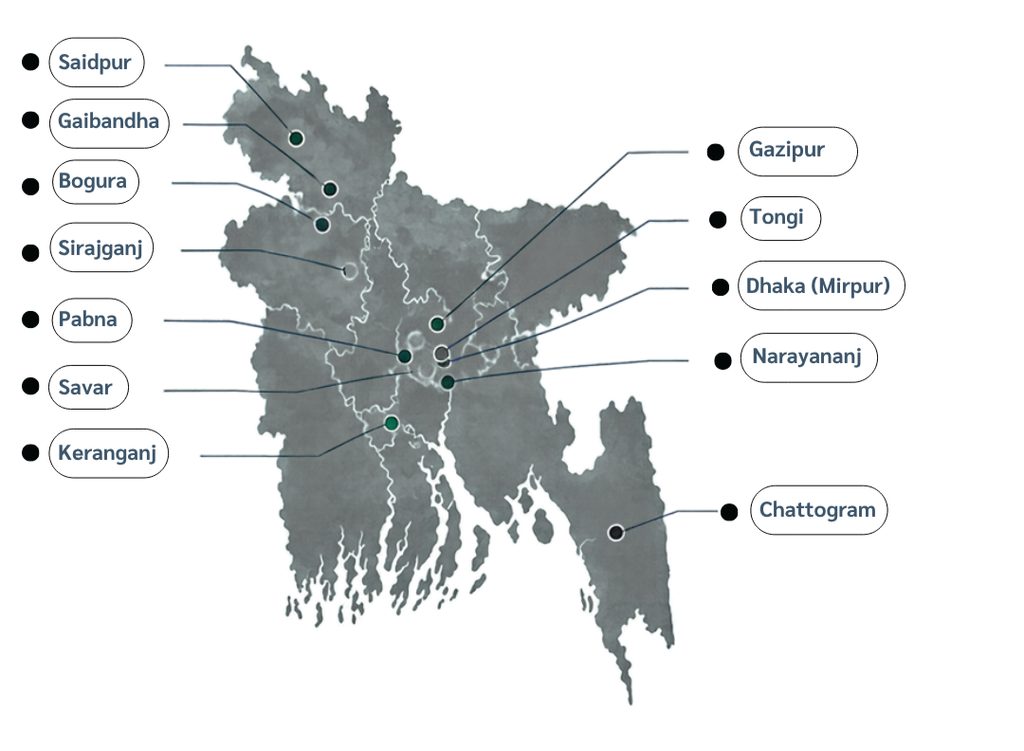
Major Clusters of Jhut (Textile Waste) in Bangladesh
Within these clusters, traders and waste handlers purchase the materials and employ workers to sort them. The sorting process is primarily based on colour, quality, and size, as different types of fabric have different market values and recycling potential. Narayanganj specialises in primary-level sorting, while Gazipur serves as a major export hub for cotton fabric clippings.
Once sorted, the materials follow several pathways. Some of the Jhut, particularly blended fabrics such as cotton-polyester and cotton-polyamide, is collected and exported to countries such as India and China for further processing and recycling.
The remaining materials continue through the domestic recycling chain. Larger fabric pieces are reused by small workshop owners and manufacturers to produce low-cost garments, bags, cleaning cloths, and household products. Smaller, cotton-rich scraps are sold to recycling companies and fibre processors, where machines shred them into fibres. These fibres are then cleaned and processed before being supplied to spinning mills, where they are blended with virgin cotton to produce recycled yarn. That yarn can eventually be turned into new fabric and re-enter garment manufacturing. Waste becomes raw material, and the cycle continues.
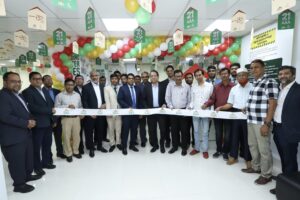
Beyond waste management, the Jhut industry is a significant source of employment and income generation within Bangladesh’s emerging circular economy. Studies estimate that the sector supports between 195,000 and 214,000 workers across approximately 18,400 to 22,000 informal enterprises, including sorting facilities, recycling units, trading businesses, transport services, and small manufacturing workshops. Women play a particularly important role in this workforce, accounting for an estimated 70% or more of workers in sorting activities.
But if Bangladesh already has the raw materials, workforce, and recycling ecosystem, why isn’t the country capturing more of its economic value?
According to industry estimates reported by Just Style, Bangladesh could be missing out on US$4–5 billion annually in potential recycled textile exports. One of the major obstacles is the absence of a comprehensive policy framework for circular textiles. Much of the Jhut industry continues to operate informally, with limited integration into the country’s formal textile manufacturing ecosystem.
The sector also faces insufficient investment in recycling facilities, limited access to advanced recycling technologies, weak traceability systems, and inadequate domestic processing capacity, particularly for blended fabrics. As a result, a significant portion of recyclable textile waste is exported rather than being transformed into higher-value products within Bangladesh.
Yet Bangladesh’s Jhut industry remains a largely overlooked success story. For decades, scraps from garment factory floors have been collected, sorted by hand in the busy lanes of Narayanganj and Gazipur, shredded into fibres, and transformed into yarn, often with little recognition or regulatory support.
What the sector lacks is not raw material or skilled workers. It is the policy support, investment, technological advancement, and formal recognition needed to unlock its full potential.
With greater formalisation and investment, Jhut could move from the margins of Bangladesh’s garment industry to the centre of its circular economy, creating better employment opportunities, retaining more economic value within the country, and reducing textile waste.
For a country that exports garments across the world, there is something particularly fitting about turning the leftovers of its greatest export industry into one of its most valuable resources.
For more updates, be with Markedium.















Leave a comment