




























Background
Most grocery discounts are designed to make people buy more. A lower price on fruits, vegetables or other everyday essentials might encourage customers to add something extra to their shopping basket, but it rarely changes how they think about the food itself. For Broadfork Produce Company, a Toronto-based, grower-led food distributor and retail market, there was an opportunity to make a grocery discount do something more meaningful.
The challenge was connected to a much bigger issue. Cancer prevention is frequently discussed through awareness campaigns, health recommendations and medical information. Research suggests that up to 40% of cancer cases may be preventable through changes in lifestyle and environmental risk factors, including healthier diets, physical activity and reduced exposure to harmful substances. Yet knowing what contributes to a healthier lifestyle does not necessarily make it easier to adopt one. The cost of healthier food, the amount of information available and everyday shopping habits can all influence what people eventually put in their baskets.
Broadfork, working with creative agency TANK Worldwide, saw an opportunity to bring cancer prevention into a place where everyday decisions were already being made: the grocery store. Rather than creating another awareness campaign telling people to eat healthier, the team wanted to give them an immediate reason to make that choice. The question was simple: what if the foods associated with reducing cancer risk were also the ones that came with a discount?
Insight
People are accustomed to responding to discounts. A percentage-off label immediately communicates value, whether it appears on a supermarket shelf, a product package or an online shopping page. Cancer prevention information, on the other hand, is considerably harder to translate into everyday decisions. Medical research can involve statistics, probabilities and long-term health outcomes that feel distant from the immediate experience of buying groceries.
TANK Worldwide identified an interesting connection between the two. Cancer-risk reduction is usually communicated as a health benefit, while discounts are understood as a financial benefit. Both can be expressed through percentages, but only one is something shoppers can immediately act on.
The insight was that if people understood the health benefit in the same language they understood a price reduction, prevention could become a more tangible part of grocery shopping. Instead of asking customers to remember complicated health recommendations, the campaign could put the information directly beside the products they were considering. The price itself would become the message.
Idea
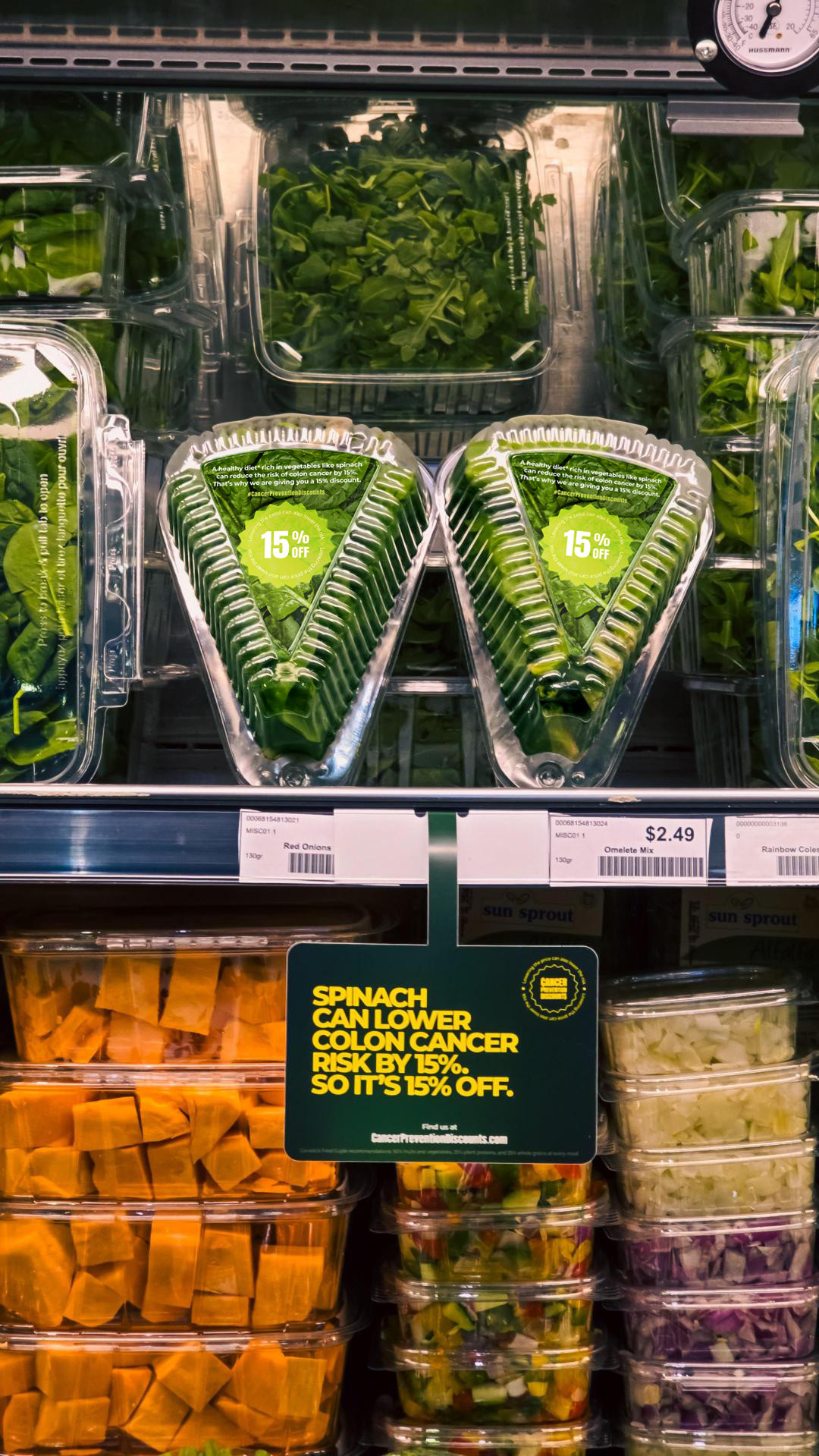
Cancer Prevention Discounts turned scientific cancer-prevention data into grocery savings. Developed by TANK Worldwide for Broadfork Produce Company, the campaign assigned discounts to selected foods based on research examining their association with reduced cancer risk. The percentage discount reflected the corresponding percentage highlighted in the campaign’s research-based messaging.
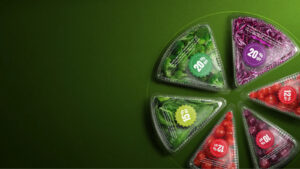
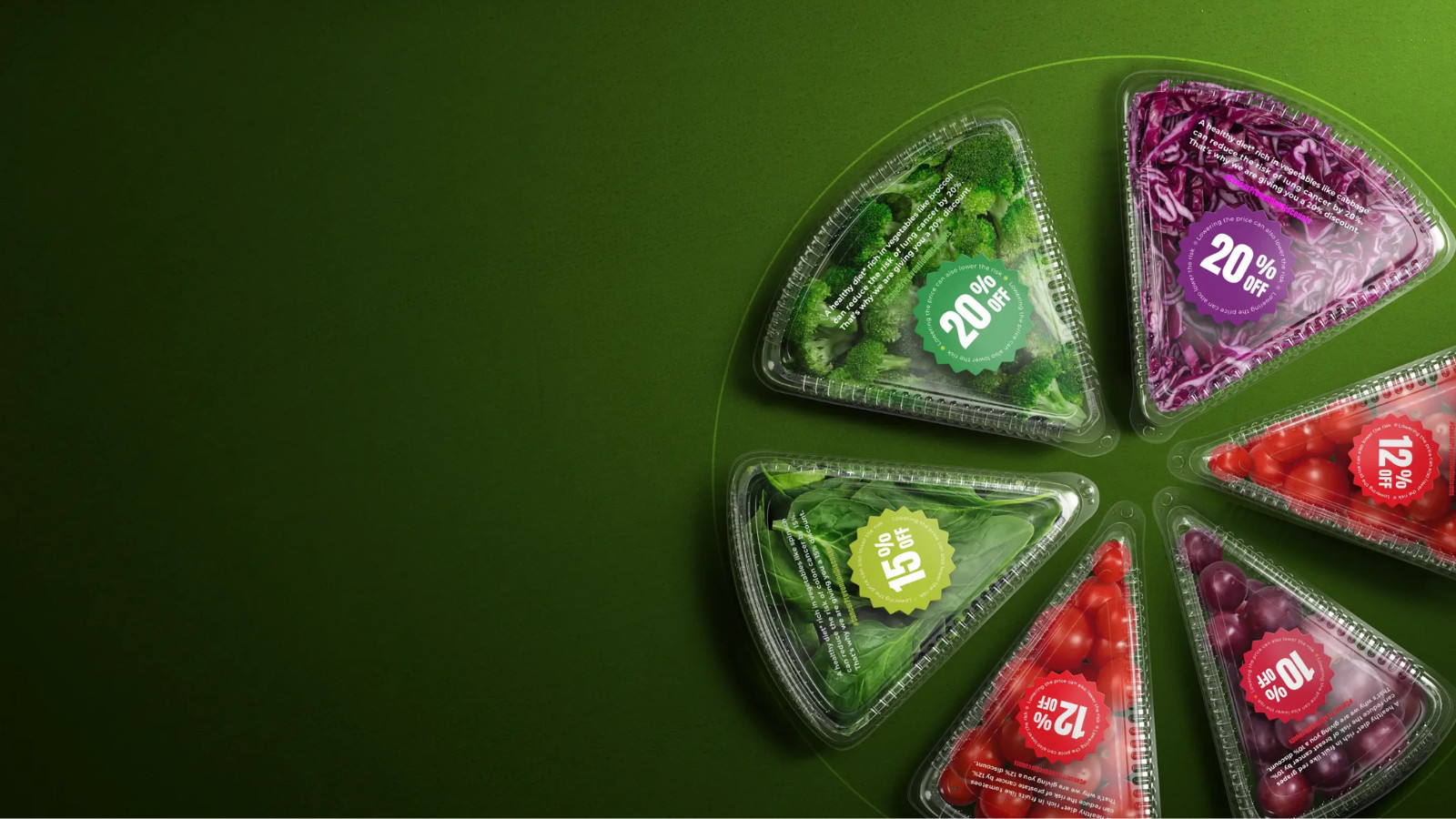
For example, a product such as tomatoes could carry a 12% discount alongside an explanation that a diet rich in tomatoes has been associated with a 12% reduction in prostate cancer risk. The customer was therefore receiving two things at once: a lower price and information about the potential health benefits of the food.
The idea transformed the traditional relationship between price and product. Usually, a discount tells shoppers that something is cheaper. Here, it also gave them a reason to understand why that particular food deserved a place in their shopping basket. The campaign did not rely on complicated medical explanations or ask people to visit a separate health information platform. It brought the information directly to the point of purchase, where it could influence an actual decision.
Execution
The biggest challenge was making scientific information understandable without overwhelming shoppers. TANK Worldwide worked with research from peer-reviewed studies, including publications indexed through the US National Library of Medicine, to develop the health claims behind the campaign. The team then translated those findings into simple percentage-based messages that could be understood within seconds.
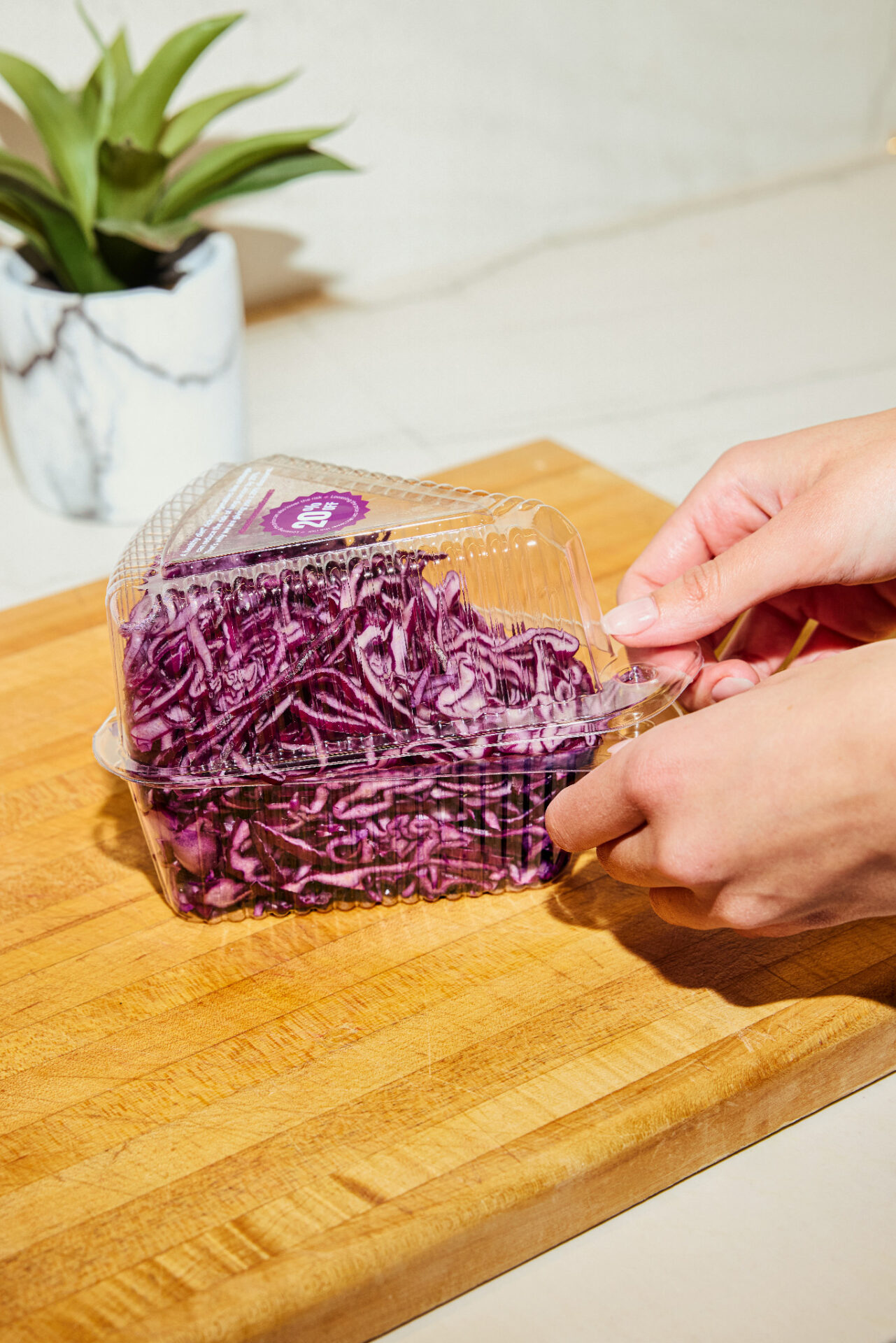
Product packaging, promotional seals and in-store signage highlighted the discounts alongside short explanations of the associated health benefits. A customer looking at a product could immediately see the percentage saved and understand the health-related reasoning behind the offer. The creative approach made the discount and the educational message part of the same visual communication.
The initiative launched in March 2026 through in-store activations at Broadfork Produce’s Toronto location and McEwan Fine Foods in North York, alongside an online partnership with grocery delivery platform Tre’dish. Social media, influencer activity and public relations helped extend the conversation beyond the supermarket. The campaign subsequently expanded into Quebec through a partnership with the Quebec Cancer Foundation, with La Moisson joining as a retail partner. This gave the initiative an opportunity to reach more shoppers and connect cancer-prevention education with everyday food purchases across different markets.
Results
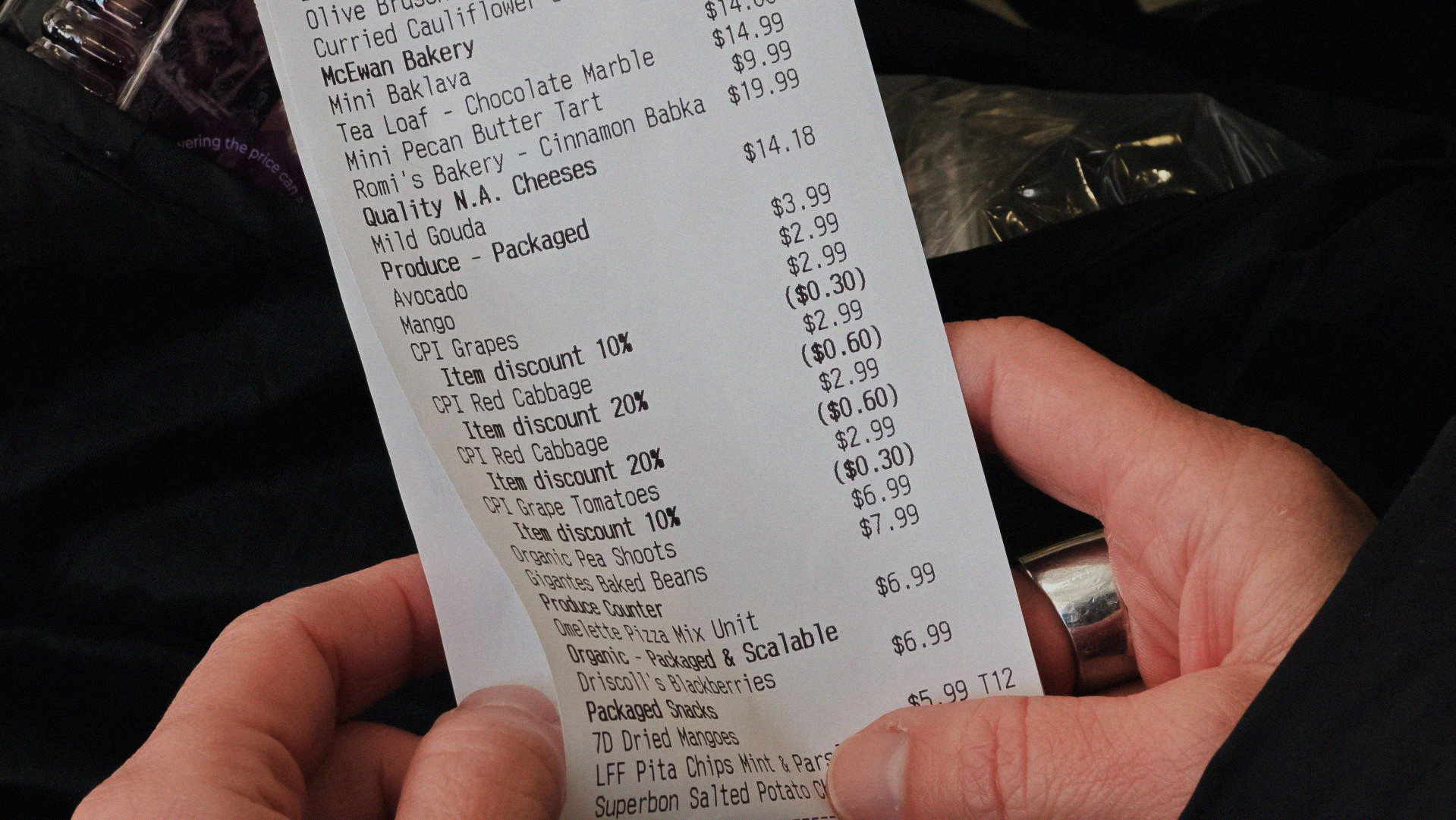
The campaign’s early achievement was its ability to turn a health recommendation into something shoppers could act on immediately. Instead of separating cancer-prevention information from the experience of buying food, it integrated both into the same transaction. Broadfork also created a retail model that could potentially be adopted by additional grocery partners, allowing the idea to extend beyond a single store or promotional period.
The creative work received significant international recognition in 2026. At the Cannes Lions International Festival of Creativity, Cancer Prevention Discounts won two Bronze Lions, in Brand Experience and Activation and Creative Commerce, alongside three shortlist recognitions. The campaign also received a Silver award at the New York Festivals Advertising Awards in Package and Product Design for Social/Environmental Good.
But the more interesting achievement is the way the campaign rethought the role of a grocery discount. Traditionally, discounts are used to move products, increase basket sizes and encourage immediate purchases. Here, the same retail mechanism became an opportunity to communicate health information and make certain food choices more affordable.
Cancer Prevention Discounts demonstrates that meaningful behaviour change does not always begin with another awareness message. Sometimes, the information is already available. What people need is a practical reason to act on it. By connecting scientific research with something as familiar as a supermarket discount, Broadfork and TANK Worldwide made cancer prevention feel a little closer to everyday life.
Watch the full campaign here.
Want to stay updated on the latest campaigns and creative ideas? Follow Markedium Campaigns for more.
Have a campaign you think deserves a closer look? Submit it to us here.











Leave a comment