

























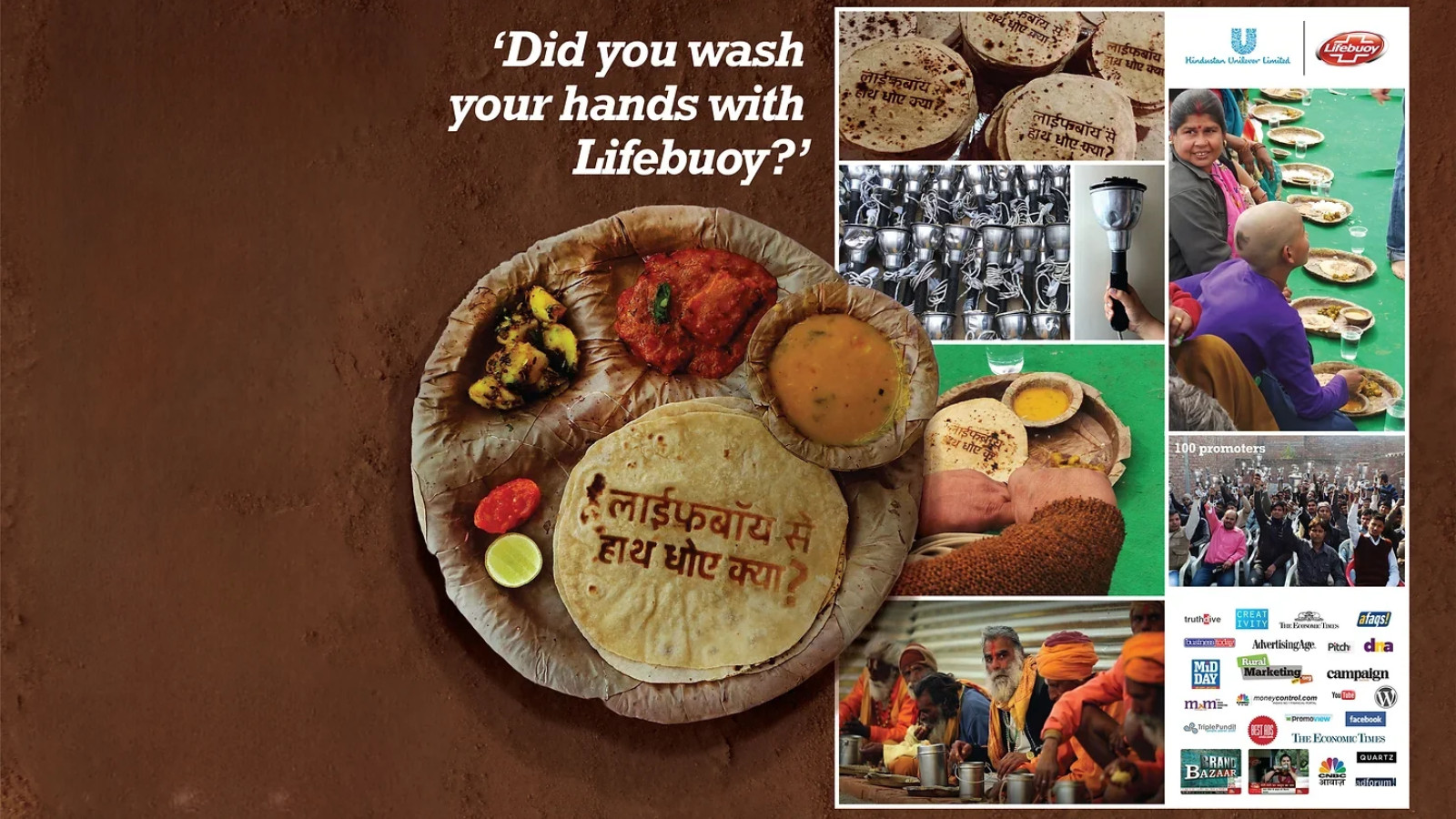
At a gathering of millions, getting people to notice an advertisement is difficult. Getting them to act on its message is even harder. At the 2013 Kumbh Mela in India, Lifebuoy found a way to do both by putting its message somewhere people would encounter it at the right moment: on their food. The brand’s ‘Roti Reminder’ campaign turned ordinary Indian flatbreads into reminders to wash hands before eating, bringing a hygiene message directly to millions of pilgrims.
The Kumbh Mela is one of the world’s largest religious gatherings, attracting more than 100 million people every 12 years. Pilgrims travel from across India to pray, bathe and spend time together, often staying at the festival grounds for extended periods. With so many people sharing food and public spaces, maintaining hygiene becomes particularly important. Lifebuoy, Hindustan Unilever’s handwash brand, saw an opportunity to connect its message with something almost everyone at the gathering would do: eat. Rather than competing for attention through another poster or billboard, the brand took its reminder to the dining experience itself.
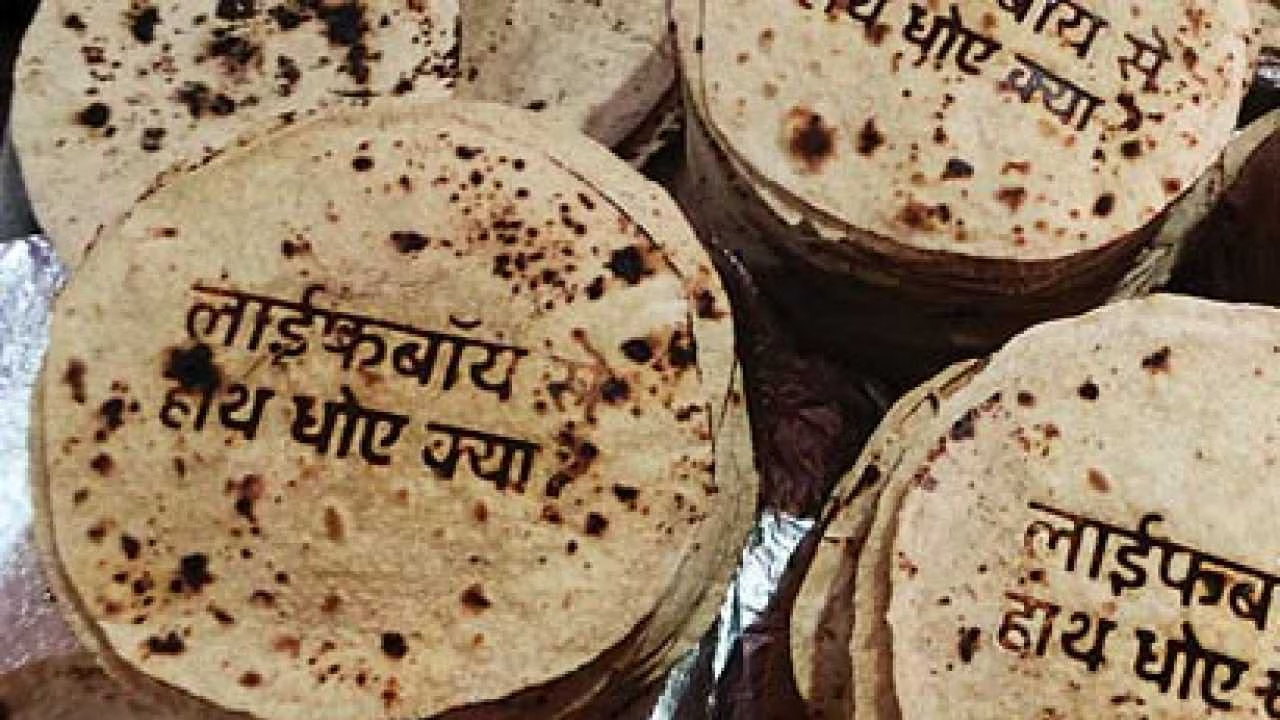
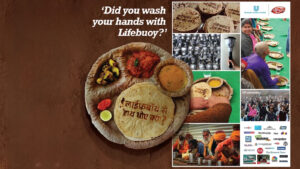
Since many people eat roti with their hands, Lifebuoy used the bread as an unexpected advertising space. The brand developed a specially designed heat stamp that could imprint the message, “Did you wash your hands with Lifebuoy?”, onto freshly prepared rotis. Diners would see the question just before eating, when a reminder about hand hygiene was most relevant. The message was directly connected to the food in front of them, making it a natural part of the meal rather than something they had to stop and read elsewhere.
Bringing the idea to millions of pilgrims meant working closely with the people preparing their food. Lifebuoy partnered with more than 100 dhabas and kitchens across the Kumbh Mela grounds, supported by a team of 100 promoters who helped distribute the stamped rotis. Over 30 days, more than 2.5 million rotis carried the handwashing reminder. The brand also placed hoardings, banners and other promotional materials around the festival grounds to keep the message visible beyond mealtimes.
The placement mattered as much as the message itself. Handwashing advice can easily become background noise when people encounter it repeatedly through conventional advertising. At Kumbh Mela, however, the reminder appeared at a moment when people could immediately act on it. Someone receiving a stamped roti would see the question before eating, giving them a reason to wash their hands before touching their food. By linking hygiene to an existing eating habit, Lifebuoy made the desired behaviour easier to remember in a setting where large numbers of people shared meals and public facilities.
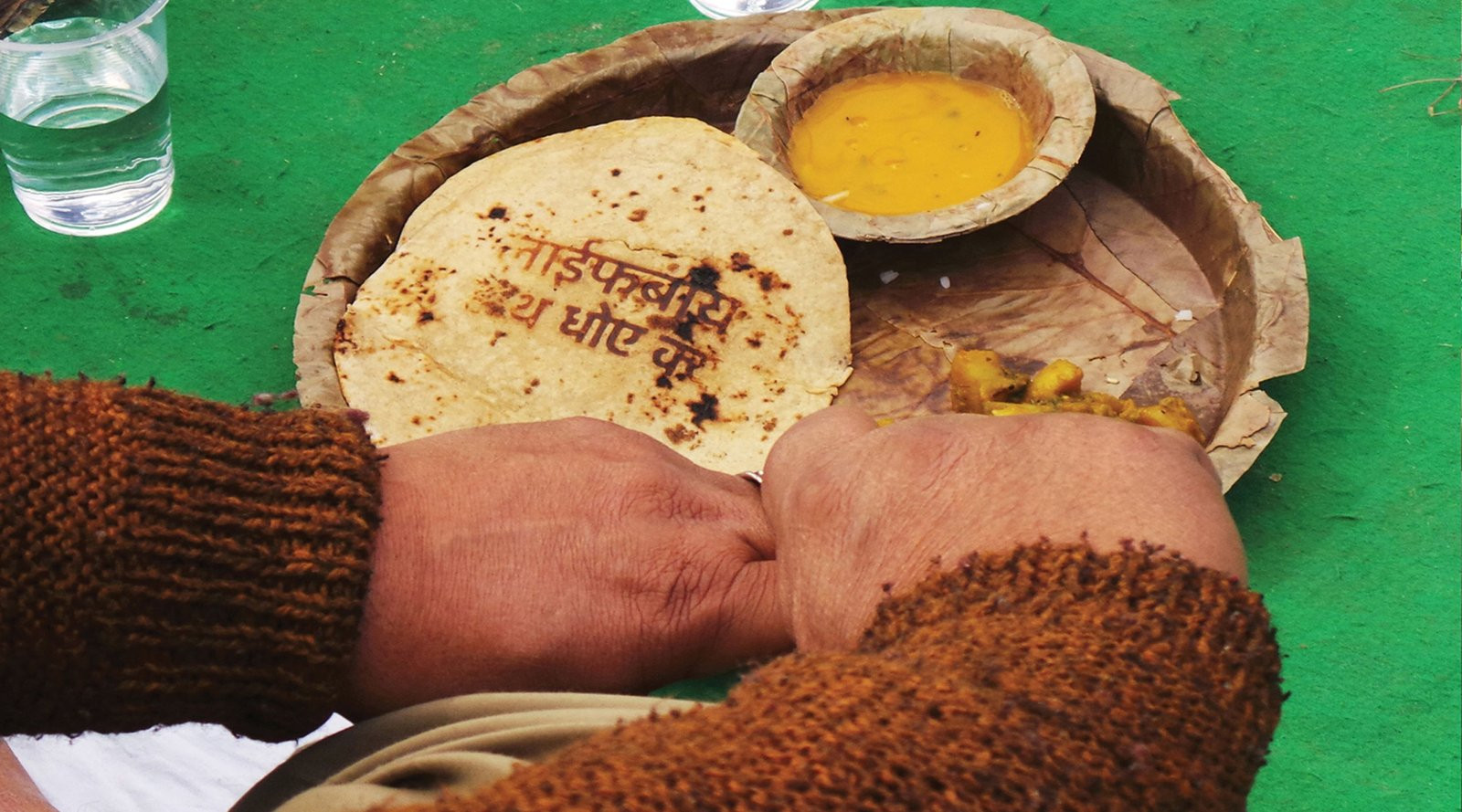
The campaign reported reaching more than 5 million people with an investment of $36,000. Lifebuoy recorded a 4% improvement in brand recall, while its market share reached a three-year high. The initiative also generated 79 million media impressions and an earned media value of $59.3 million, representing a reported return of 1,600 times the investment. Beyond the commercial results, the campaign supported Hindustan Unilever’s wider Sustainable Living Plan, which included an ambition to improve hygiene habits among one billion people.
Lifebuoy’s ‘Roti Reminder’ showed how a familiar cultural practice could become a useful way to communicate a public health message. The brand did not need to introduce a new habit or ask people to change their routines completely. It simply placed a reminder within a routine they already followed. At Kumbh Mela, a message about handwashing found its way onto millions of plates, reaching people at the exact moment they needed to hear it.
Watch the full campaign here.
Want to stay updated on the latest campaigns and creative ideas? Follow Markedium Campaigns for more.
Have a campaign you think deserves a closer look? Submit it to us here.













Leave a comment