






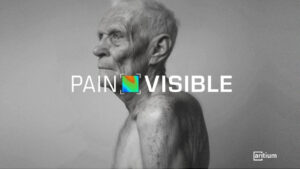






















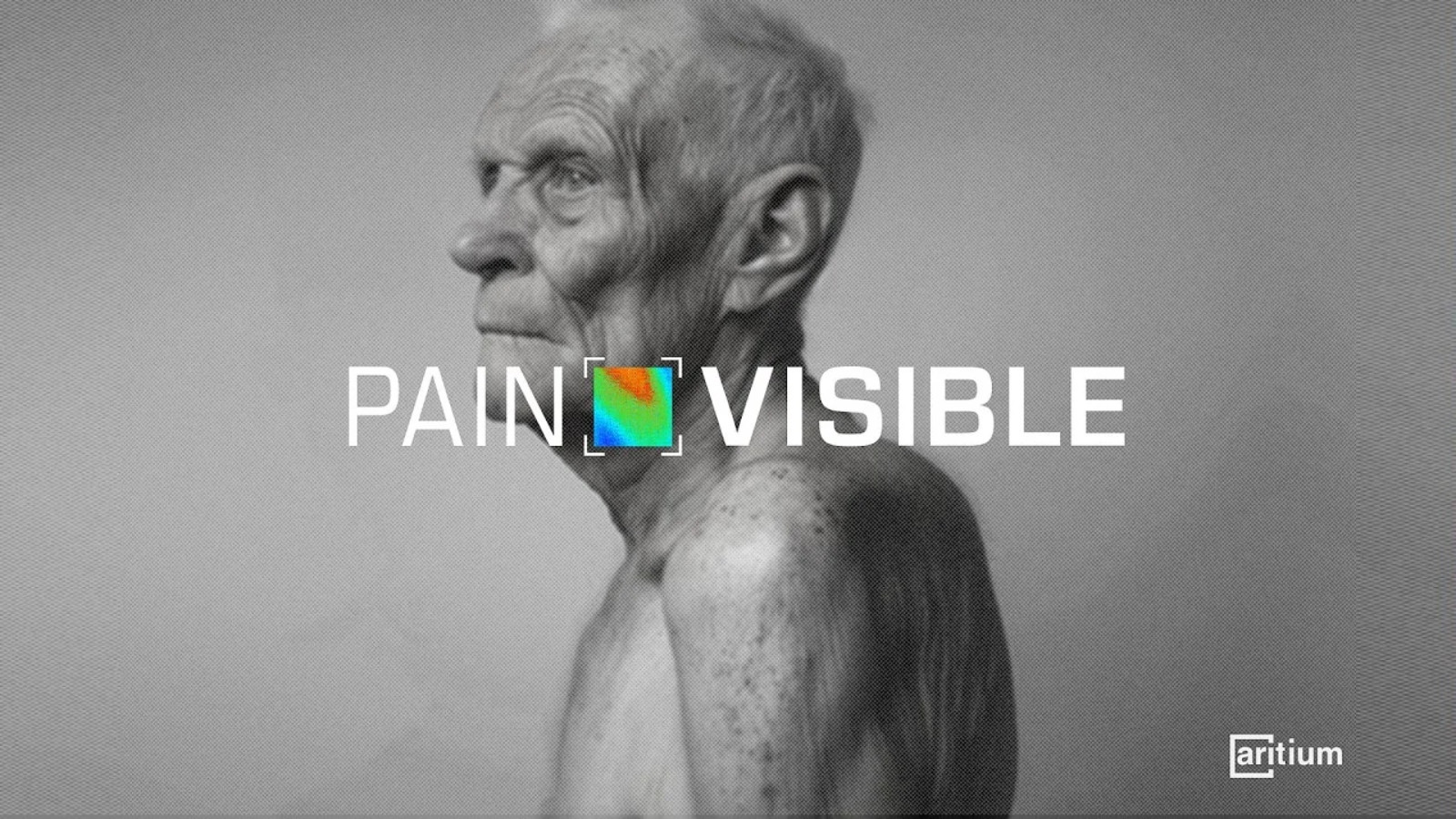
Imagine taking a baby to the hospital, knowing something is wrong but having no way to explain where it hurts. The doctor can observe the child, ask questions and look for physical signs, but the most important information remains difficult to obtain. The same problem can affect people recovering from a stroke, patients with Alzheimer’s, and individuals with autism or Down syndrome. They may experience serious pain without being able to describe it in words. Aritium’s PainVisible, developed with VML Madrid and New York, takes on this gap by giving doctors another way to assess what a patient cannot communicate.
Pain is one of the most important clues doctors use when diagnosing a patient. Yet much of its assessment still depends on self-reporting. Patients are often asked to describe where it hurts and rate the intensity on a numerical scale. This works when someone can communicate comfortably, but it becomes difficult when speech, memory or cognitive ability is affected. The PainVisible campaign highlights research cited in its award submission suggesting that non-communicative patients face a 30% higher risk of misdiagnosis. Its central question is straightforward: if a patient cannot tell a doctor that something hurts, can technology help identify signs of that pain?
PainVisible uses a portable thermal camera that attaches to a smartphone, alongside an AI-powered application. The camera captures infrared images of the body, showing differences in surface temperature as a thermal map. These patterns are then analysed by the app, which compares them with information from thousands of patient studies. The system also considers factors such as the patient’s age, medical history, existing conditions and environmental conditions during imaging. It uses this information to generate an assessment of the possible location and intensity of pain, along with other clinical insights.
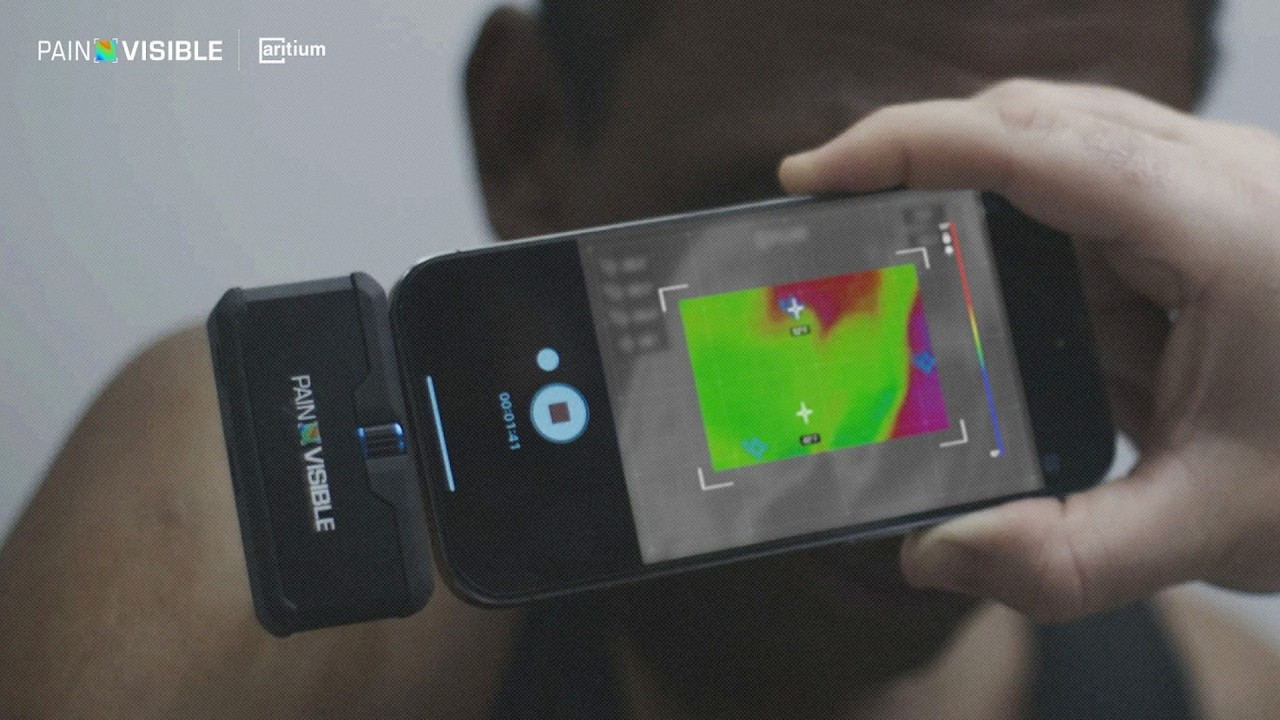
The technology is designed to work with different thermal cameras that can connect to smartphones, rather than requiring doctors to purchase a specialised phone. The application is also available for both iOS and Android. This practical approach matters because the people expected to use it are healthcare professionals working in different clinical settings, including pain units, paediatrics and geriatric care. The campaign presents the tool as something that can fit into existing medical environments rather than a complicated new system that requires an entirely different setup.
The need becomes clearer when considering the patients the tool is designed to support. A newborn cannot explain whether a particular area hurts. Someone with advanced cognitive decline may struggle to remember or describe what they are experiencing. A stroke patient may understand the pain but have difficulty expressing it. Doctors must make decisions with limited information, and an inability to communicate should not mean that a patient’s discomfort goes unnoticed. PainVisible attempts to provide another source of information in these situations, helping medical professionals investigate symptoms that might otherwise be difficult to assess.
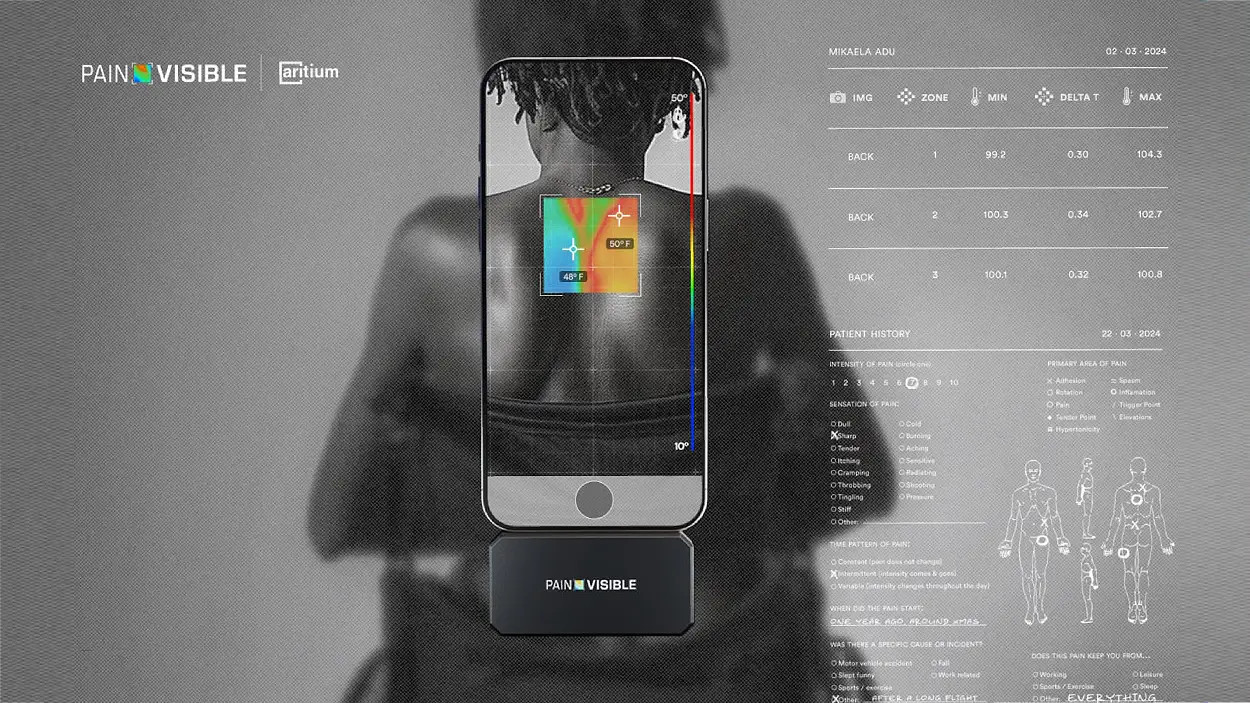
The project has also moved beyond the campaign presentation stage. According to its ADC Awards entry, PainVisible has been tested by doctors including Óscar Natoli, head of the Pain Unit at MIVI in Spain. The Aspid Awards archive also describes research involving hundreds of patients with different types of pain, led by Dr Marcelo Chapper and the WideLabs team in Miami. In Spain, the University Hospital Complex of Salamanca requested its use in a headache unit to explore how it could support patient assessment and referral. These developments give the project a clinical context, although wider independent validation will be important before its assessments can be treated as established diagnostic evidence.
Infrared cameras can detect changes in skin temperature, but temperature differences do not automatically identify the cause of pain. Inflammation, blood circulation, room temperature and other physiological factors can affect the readings. Medical reviews have also pointed to the need for standardised testing methods and stronger clinical evidence before thermography can be used as a standalone diagnostic method. PainVisible is therefore best understood as a developing support tool, not a replacement for a doctor’s examination or a patient’s own account.
PainVisible received recognition at the 2026 ADC Awards, including Gold Cubes in Product Design and Design for Good. Its creative strength comes from connecting a specific medical problem with a technology that has a clear purpose. Rather than making another broad promise about what AI might do for healthcare, Aritium and VML focus on a group of patients whose pain can be difficult to recognise. The technology cannot make pain disappear, but it offers doctors another way to look for it. And for someone who cannot explain what hurts, being taken seriously can be the first step towards receiving the right care.
Watch the full campaign here.
Want to stay updated on the latest campaigns and creative ideas? Follow Markedium Campaigns for more.
Have a campaign you think deserves a closer look? Submit it to us here.














Leave a comment