





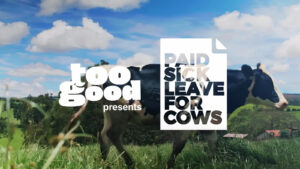





















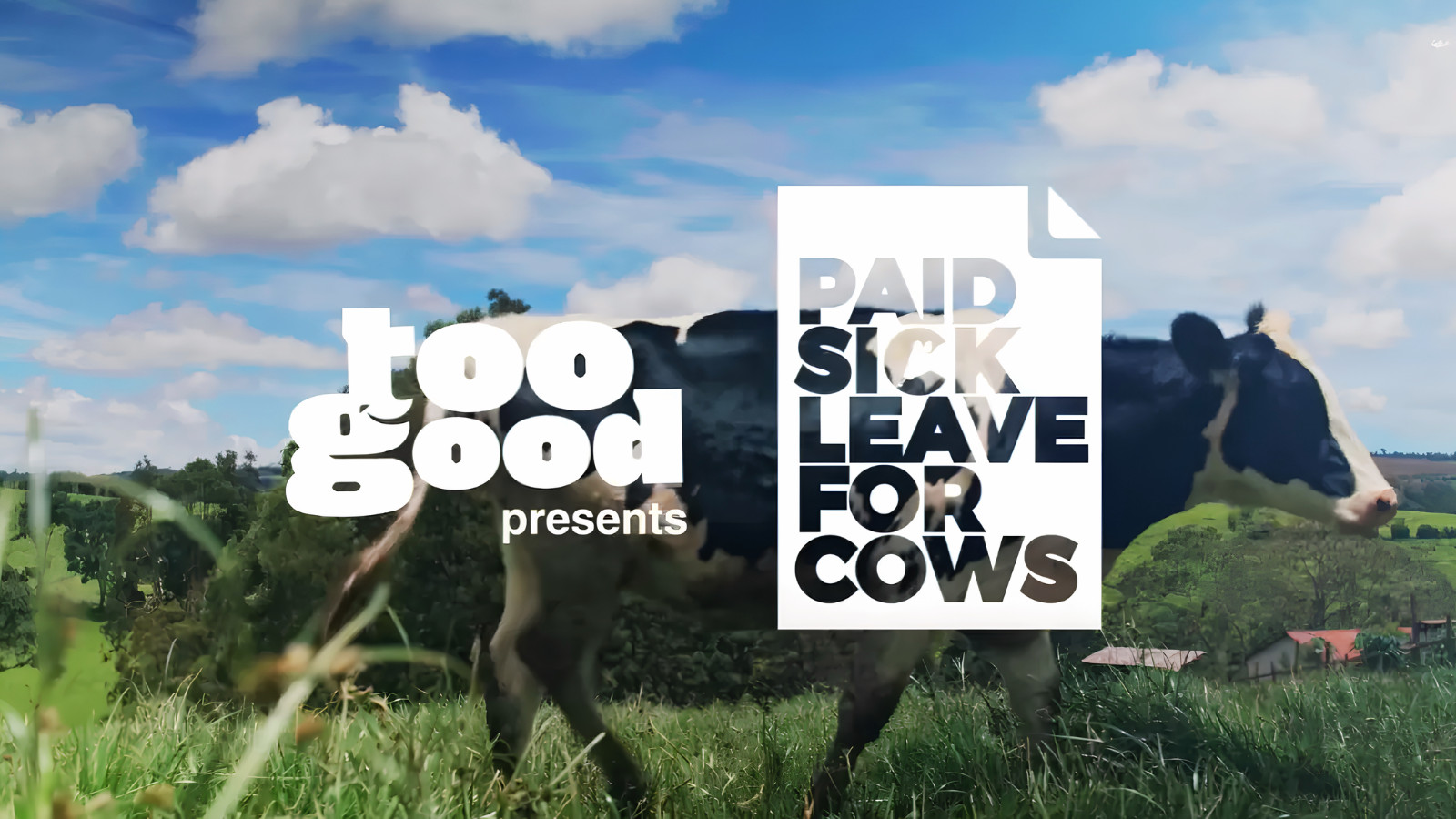
A sick cow can cost a dairy farmer several days of income, even when treating the animal is the responsible thing to do. When cows receive antibiotics, farmers must stop selling their milk until the prescribed withdrawal period has passed. The milk has to be discarded to prevent antibiotic residues from entering the food supply, leaving farmers to absorb the financial loss. For smallholder farmers who depend on daily milk sales, this creates a difficult choice between protecting their income and following food safety requirements. Kenyan dairy brand Too Good found a way to remove that choice by giving cows something usually reserved for human employees: paid sick leave.
Background
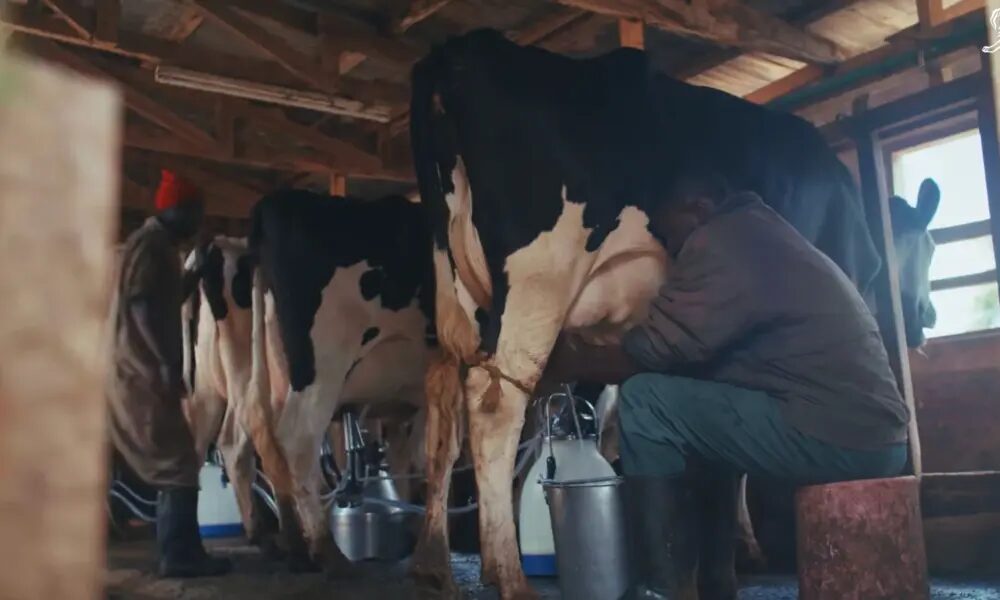
Kenya’s dairy industry depends heavily on smallholder farmers, who account for around 80% of the country’s dairy producers. Many of these farmers operate on tight margins, making even a few days without milk sales a serious financial setback. When a cow develops an infection such as mastitis, antibiotics may be necessary for treatment. However, the milk cannot be sold during the withdrawal period, which can last three to seven days depending on the medication. Farmers are expected to discard it, even though it represents income they would otherwise earn.
The financial pressure creates consequences beyond the farm. When farmers cannot afford to lose several days of earnings, some may be tempted to sell milk before the withdrawal period ends. This puts consumers at risk of exposure to antibiotic residues and can lead to milk being rejected by processing facilities. Campaign materials highlighted the scale of the problem, with one in four milk samples reportedly testing positive for antibiotic residues. Too Good needed to address the issue without increasing milk prices and placing further pressure on the wider dairy market. The challenge was to make safe farming practices financially possible for the people responsible for carrying them out.
Insight
Farmers already had a reason to keep their milk safe, but following the rules meant losing money. In most workplaces, employees who become ill can take paid sick leave and recover without losing their entire income. Dairy farming had no equivalent protection for the animals responsible for producing the milk. Too Good recognised that cows were essential workers in the dairy business, yet farmers received no compensation when those animals needed treatment. Applying the idea of paid sick leave to livestock offered a way to protect both the cow’s recovery and the farmer’s livelihood.
Idea
Too Good introduced Paid Sick Leave for Cows, a programme that compensates farmers for the income they lose when milk cannot be sold during an animal’s antibiotic withdrawal period. By treating cows as economic workers, the brand created a simple system in which farmers could receive financial support while their animals recovered. The programme shifted the cost of responsible treatment away from farmers, reducing the pressure to sell milk that might still contain antibiotic residues.
Execution
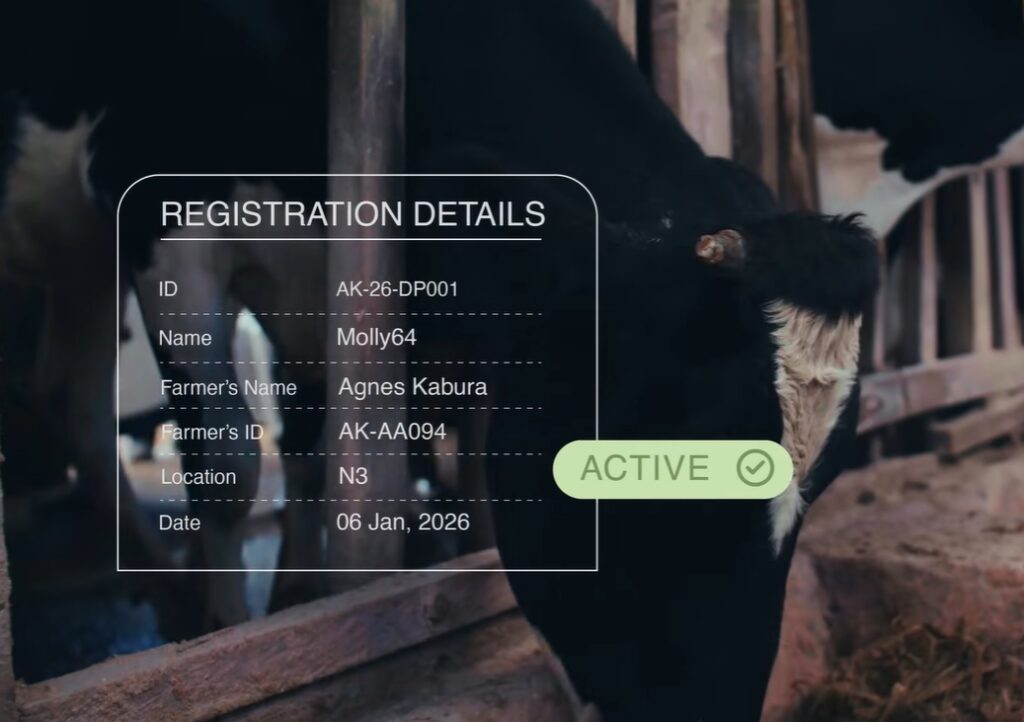
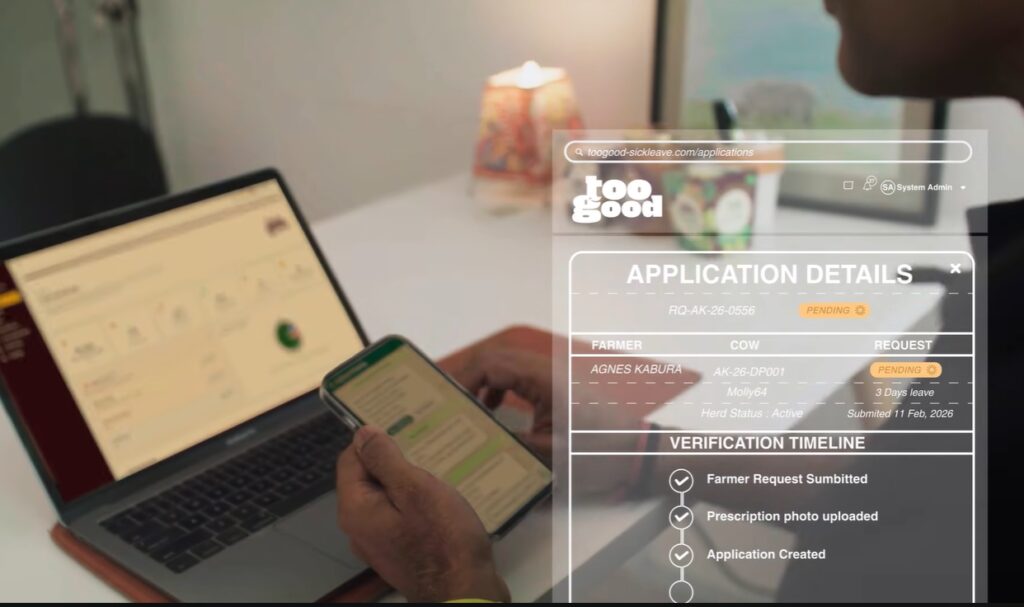
The Partnership Agency in Nairobi developed the programme around a process farmers could access through WhatsApp. Farmers registered their cows and submitted veterinary prescriptions or treatment documents when an animal needed antibiotics. After the information was verified, Too Good approved the request and compensated the farmer for the milk withheld during the recovery period. The system also used digital verification to make the process easier to manage and payments more accountable, without requiring farmers to navigate a complicated application process.
The compensation covered the three-to-five-day withdrawal period described in the campaign’s materials, although the required period can vary depending on the treatment. Farmers could therefore treat sick cows, keep their milk out of the supply chain and continue earning an income while the animals recovered. The programme also gave Too Good a practical way to improve the quality of the milk entering its supply chain. Rather than asking farmers to accept a financial loss for following food safety rules, the brand helped cover that loss itself.
Results
Within its first eight months, Paid Sick Leave for Cows returned US$27,000 to Kenyan farmers for milk withheld during treatment periods. Campaign reporting also showed that milk rejection at the processing factory fell to nearly zero, while the programme helped strengthen Too Good’s 0% antibiotic claim. The initiative supported the brand’s expansion into major retail outlets, including Chandarana Foodplus, Zucchini Food Market and Greenspoon. These results demonstrated how supporting farmers at the point where financial pressure occurs could benefit the wider dairy supply chain.
The campaign went on to win the Grand Prix in the Sustainable Development Goals category at Cannes Lions 2026, giving Kenya its first-ever Grand Prix at the festival. Created by The Partnership Agency in Nairobi, the work brought international attention to a solution rooted in the everyday realities of smallholder dairy farming.
Paid Sick Leave for Cows showed that food safety cannot depend on farmers accepting losses they cannot afford. By giving farmers financial support when their cows needed treatment, Too Good made responsible dairy production easier to sustain. A familiar workplace benefit became a practical way to protect animal welfare, farmer income and the milk reaching consumers.












Leave a comment