



























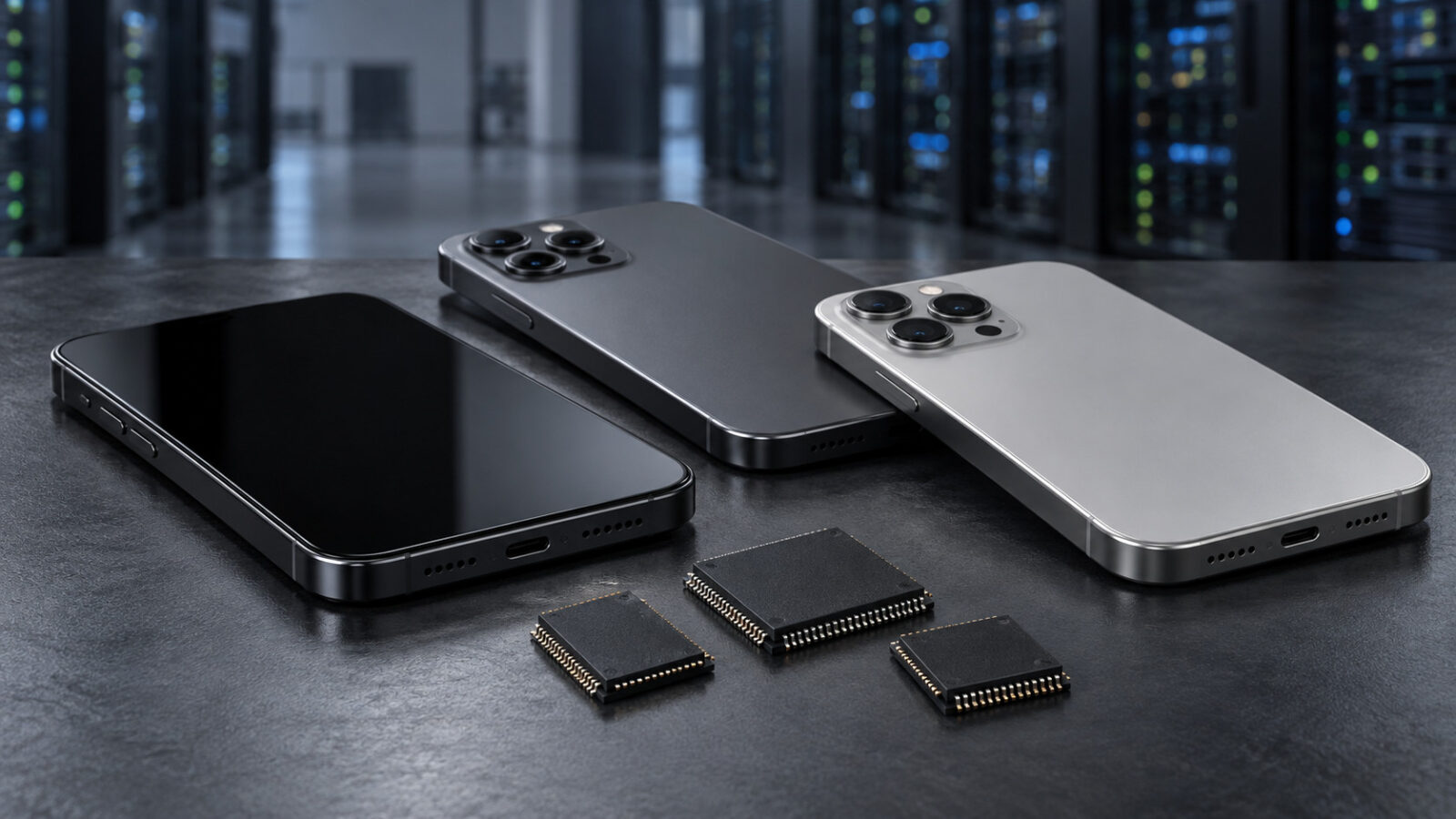
Global smartphone shipments fell 20 percent year over year in the third quarter of 2026, reaching their lowest third-quarter level since 2012. The drop was much steeper than in the previous quarter, when shipments fell 11 percent to their lowest second-quarter level since 2013. The decline stems from rising memory prices and supply shortages. Higher costs for Dynamic Random-Access Memory (DRAM), a smartphone’s working memory and NAND flash memory, used for data storage, increased manufacturing expenses and disrupted OEM (Original Equipment Manufacturer) shipments.
Artificial intelligence infrastructure projects are taking up a large portion of the available memory supply. Smartphone manufacturers responded by raising retail prices and reducing shipment volumes, prioritizing profit over total sales. Retail prices have risen about 20 percent so far in 2026. The pressure began earlier in the year when global wholesale prices rose 14 percent in the first quarter while shipments slipped 3.1 percent.

Samsung kept its position as the leading smartphone manufacturer with a 23 percent market share. Shipments declined 3 percent year over year, but strong demand for the Galaxy Z Fold8 and a steady supply of mid-range devices helped it hold the lead. It also recorded the largest market share gain among major manufacturers. Apple captured 22 percent of the market, the first time it has exceeded 20 percent in a third quarter. Apple’s shipment decline can be largely attributed to the absence of a base iPhone 18, which meant a smaller launch-month channel fill than the full iPhone 17 lineup a year earlier. The iPhone 18 Pro models launched more strongly than their predecessors in China and India and Apple introduced price increases in the final weeks of the quarter.
While the two leaders gained share in the smartphone market, other manufacturers lost ground. Xiaomi holds a 10 percent share after shipments dropped more than 30 percent. It reduced its exposure to low-end devices and non-core overseas markets, raised average selling prices and tried to gain ground in China’s premium segment.
OPPO captured a 9 percent share after shipments fell more than 20 percent. The smartphone company raised prices for entry-level and mid-range devices. It also consolidated operations across its OPPO, realme and OnePlus brands. Vivo secured an 8 percent share with shipments falling more than 20 percent. It focused its efforts on India and China. Price increases moved budget models out of key price categories. Stock shortages limited total volume for the brand.

The market shows clear differences between price segments. Resilient demand for premium devices and significant pressure on the mass market. Shilpi Jain, a senior analyst at Counterpoint Research, said that “Q3 was the second successive quarter to take the full brunt of the memory crisis. The extreme memory shortage is pushing the smartphone market into a more selective phase, reshaping OEM strategies and even consumer behavior.” Consumers are keeping their phones longer. Buyers are also considering refurbished devices and favoring higher-value models. Further smartphone production cuts and tighter product portfolios can be expected now. A continued focus on premium devices can also be foreseen. Meaningful volume recovery is unlikely until component costs and supply conditions improve.
The smartphone memory shortage may last into 2027. Omdia, the technology research arm of Informa Tech, expects phones under $200 to fall from 40.6 percent of global shipments in 2025 to 25.6 percent by 2027, while models at $800 and above rise from 21.1 percent to 28.4 percent. The International Data Corporation (IDC) is more pessimistic, forecasting a 16.7 percent drop to just over 1 billion units, the steepest annual contraction on record and expects memory prices to keep rising until at least 2028.
For more updates, be with Markedium.
















Leave a comment