




























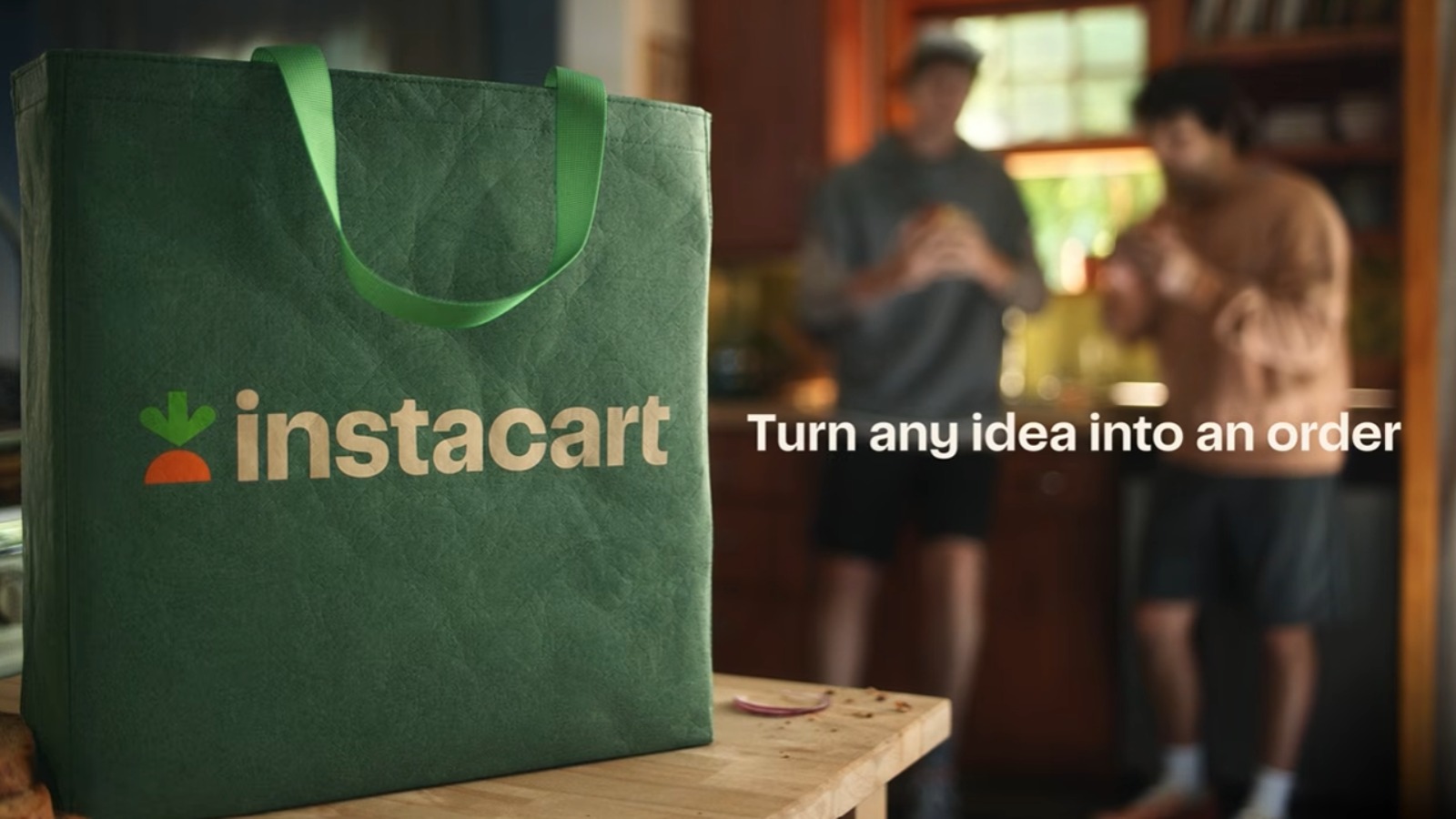
If you’ve ever found yourself staring into an open refrigerator at 5:00 PM experiencing the existential dread known as the “nightly dinner spiral,” Instacart thinks the solution isn’t another cookbook, it’s an AI shopping assistant named Clementine. But rather than boring consumers with algorithmic tech jargon, Instacart’s new “Turn any idea into an order” campaign is taking a far more delicious route: riding the coattails of pop culture nostalgia.
The campaign, titled “Turn Any Idea Into an Order,” features familiar faces from Shrek, Scooby-Doo, The Office and A Charlie Brown Thanksgiving, transforming memorable food moments into practical demonstrations of what Clementine can do. In one spot, a scene from Shrek inspires a shopper to prepare butternut squash risotto, while the food-obsessed world of Scooby-Doo provides another spark for a grocery run. Instead of simply borrowing recognizable characters to grab attention, Instacart uses these references to demonstrate how a fleeting craving can become a meal idea, a shopping list and, ultimately, a ready-to-buy cart.
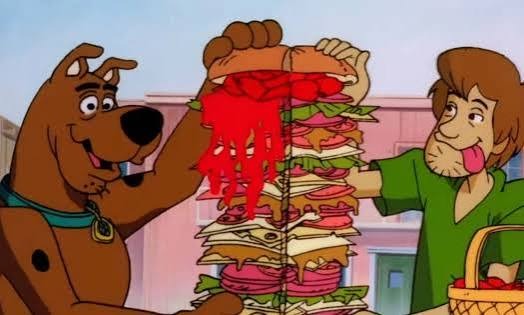
The appeal lies in how naturally the campaign connects entertainment with everyday consumer behaviour. People do not always approach grocery shopping with a recipe in mind or a carefully planned list. Sometimes, all it takes is watching someone eat something delicious on screen to spark an idea. By turning that moment of inspiration into the starting point of a shopping journey, Instacart makes its AI assistant feel less like another piece of unfamiliar technology and more like a convenient companion that understands the way people actually decide what to eat.
The strategy also makes sense when viewed against the challenge of marketing AI itself. For many consumers, artificial intelligence remains an abstract concept, often associated with complicated interfaces, technical jargon and increasingly interchangeable chatbot experiences. Instacart sidesteps that problem by making the technology’s value immediately visible. Viewers do not need to understand how a language model works; they simply need to see a familiar character, recognise a food craving and watch Clementine turn it into something actionable. The campaign was developed by Instacart’s in-house agency, Local Produce, with production handled by Prettybird and direction by Brian McGinn, whose previous work includes food-focused productions such as The Bear and Chef’s Table.

But the real story goes beyond a handful of nostalgic television spots. Launched in September 2026, Clementine is designed to handle several stages of grocery shopping, from meal planning and recipe discovery to building shopping carts, finding discounts and reordering everyday essentials. Users can describe what they want in ordinary language, such as a week of budget-friendly lunches or high-protein dinners for two, and receive a personalized cart based on their preferences and products available at their chosen retailer. The assistant also draws on Instacart’s extensive grocery data, including more than 1.6 billion lifetime orders and a catalogue of over two billion items, to help connect consumer intent with real products on store shelves.
That data-driven foundation could be what separates Clementine from an AI feature that merely generates recipe suggestions. Instacart says early usage indicates that customers are moving from straightforward tasks, such as restocking household staples, towards more involved activities like discovering recipes. The company also reports that orders placed through Clementine contain more items on average than its typical shopping basket. While these figures come from Instacart itself rather than an independent assessment, they suggest that the assistant could serve a commercial purpose alongside its convenience proposition: helping customers discover more products and potentially increasing the value of each order.
The campaign’s media strategy reinforces that ambition. After debuting during NBC’s Sunday Night Football, “Turn Any Idea Into an Order” expanded across traditional television, streaming platforms, YouTube, audio, social media and Instacart’s own app. Consumer packaged goods brands, including Hormel and Hillshire, also feature in the creative, tying the entertainment-led storytelling to products shoppers can actually purchase.
Ultimately, Instacart is selling more than an AI assistant; it is attempting to make AI feel like a natural part of an everyday routine. The use of Shrek and Scooby-Doo gives the technology an accessible entry point, while Clementine turns that initial curiosity into a functional shopping experience. Instead of asking consumers to change how they think about grocery shopping, the brand meets them where they already are: watching television, craving something they have seen and wondering what to eat next.

In a market where AI-powered assistants are becoming increasingly common across delivery platforms, the differentiator may not simply be how intelligent the technology is, but how easily people can imagine using it. Instacart’s approach offers a useful lesson for brands introducing unfamiliar technology: sometimes, the fastest way to make the future feel intuitive is to borrow a little familiarity from the past.
Want to stay updated on the latest campaigns and creative ideas? Follow Markedium Campaigns for more.
Have a campaign you think deserves a closer look? Submit it to us here














Leave a comment