






























K-pop has a problem that most industries would struggle to explain. The louder the criticism gets, the bigger the industry seems to become. Fans argue over idols, critics question commercialisation, and controversies can dominate social media for days. Yet people are still streaming songs, buying albums, and travelling for concerts. In the first half of 2026 alone, K-pop album sales reached a record 49.5 million copies, up 23.4% from the same period in 2025. K-pop acts also occupied seven of the top 10 positions on IFPI’s Global Album Sales Chart. Meanwhile, the 2026 Overseas Hallyu Survey found that 69.7% of 27,400 respondents across 30 regions viewed Korean cultural content favourably. So, if the criticism is getting louder, why are people still pressing play?
The backlash against K-pop is real, and it has become part of K-pop’s global story. In the 2026 Hallyu (Korean Wave) survey, excessive commercialism was the most cited reason for negative perceptions, at 16.1%, followed by inappropriate or unethical behaviour by Hallyu stars, at 11.5%. Among respondents in their 20s, 42.9% agreed with negative perceptions. The criticism also extends to fan wars, intense streaming and purchasing culture, and controversies involving individual idols. But negative perceptions do not mean people have stopped consuming K-pop. The same survey found that 64.8% said their interest in Hallyu affected their purchases of Korean products.
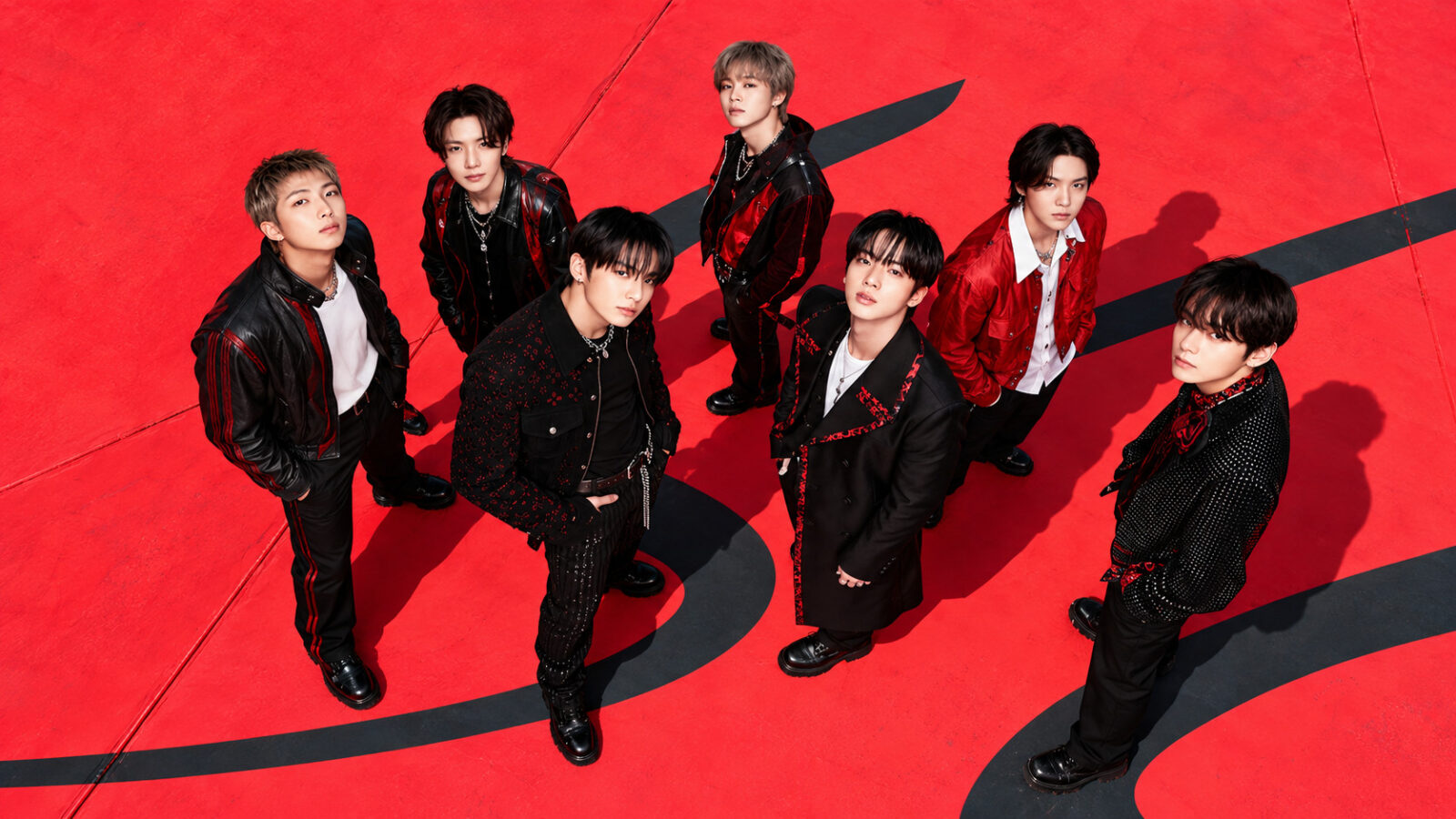
K-pop’s rise from a regional genre to a global industry also shows why today’s backlash has not erased its reach. Earlier Korean acts built audiences across Asia, while YouTube and social media made Korean music easier to discover worldwide. Then came BTS. Their Billboard success, global tours, and award-show appearances helped move K-pop further into mainstream markets. BTS’ influence is still visible: its 2026 album ARIRANG recorded 739.1 million global streams in its first week, with the US, Brazil, and Mexico contributing more streams than South Korea. IFPI also ranked Stray Kids as the world’s No. 2 recording artist in 2025, while BTS won the organisation’s Global Recording Artist of the Year award in 2020 and 2021.
The audience behind this growth is not simply made up of casual listeners. A 2025 study using large-scale Last.fm data found that K-pop listening grew significantly between 2005 and 2019, with much of the growth driven by highly engaged listeners. Fans can discover a group through a short video, follow members on social media, join communities, stream a comeback, buy albums, and eventually attend concerts. A 2024 study of 250 K-pop fans in Indonesia also found that parasocial relationships with idols were positively associated with purchase intentions and electronic word-of-mouth.
BTS shows how this connection can extend far beyond music. Government analysis of the group’s 2026 Seoul comeback events found that foreign visitors stayed an average of 8.7 days and spent about 3.53 million won, compared with 6.1 days and 2.45 million won for general inbound tourists. Around the Goyang concerts, foreign visitor numbers increased 35-fold year-on-year, while spending rose 38-fold. What starts with a song can therefore create demand for hotels, restaurants, shopping, and tourism.
K-pop has also built a business model in which fandom creates value at almost every stage. Streaming creates visibility, social media keeps artists present, albums turn loyalty into purchases, and concerts turn online communities into physical experiences. In 2025, K-pop remained the leading genre on IFPI’s Global Album Sales Chart, with Stray Kids, SEVENTEEN, and ENHYPEN taking the top three K-pop positions. Average monthly consumption of Korean cultural content also reached 14.7 hours in 2025.
That does not mean criticism has no consequences. Controversies can damage individual artists, affect brands, and change how fans engage with particular releases. Some listeners may leave a fandom while continuing to consume K-pop more broadly. But the wider numbers show something more complicated than a simple rise-and-fall story. K-pop can be criticised, debated, and even disliked by parts of the audience while its most engaged consumers continue to stream, buy, and participate.

That may be K-pop’s biggest paradox. BTS helped prove that a Korean group could build an enormous international audience, and newer artists have expanded that audience into a larger commercial ecosystem. The criticism is real, but so is the growth. Its global success no longer depends on everyone liking it. It needs people to keep caring enough to press play, watch the next music video, buy the next album or book a ticket. And judging by the numbers, millions are still doing exactly that.
For more updates, be with Markedium.

















Leave a comment