




























Tracing the numbers behind the disappearance of one of Bangladesh’s most beloved brands
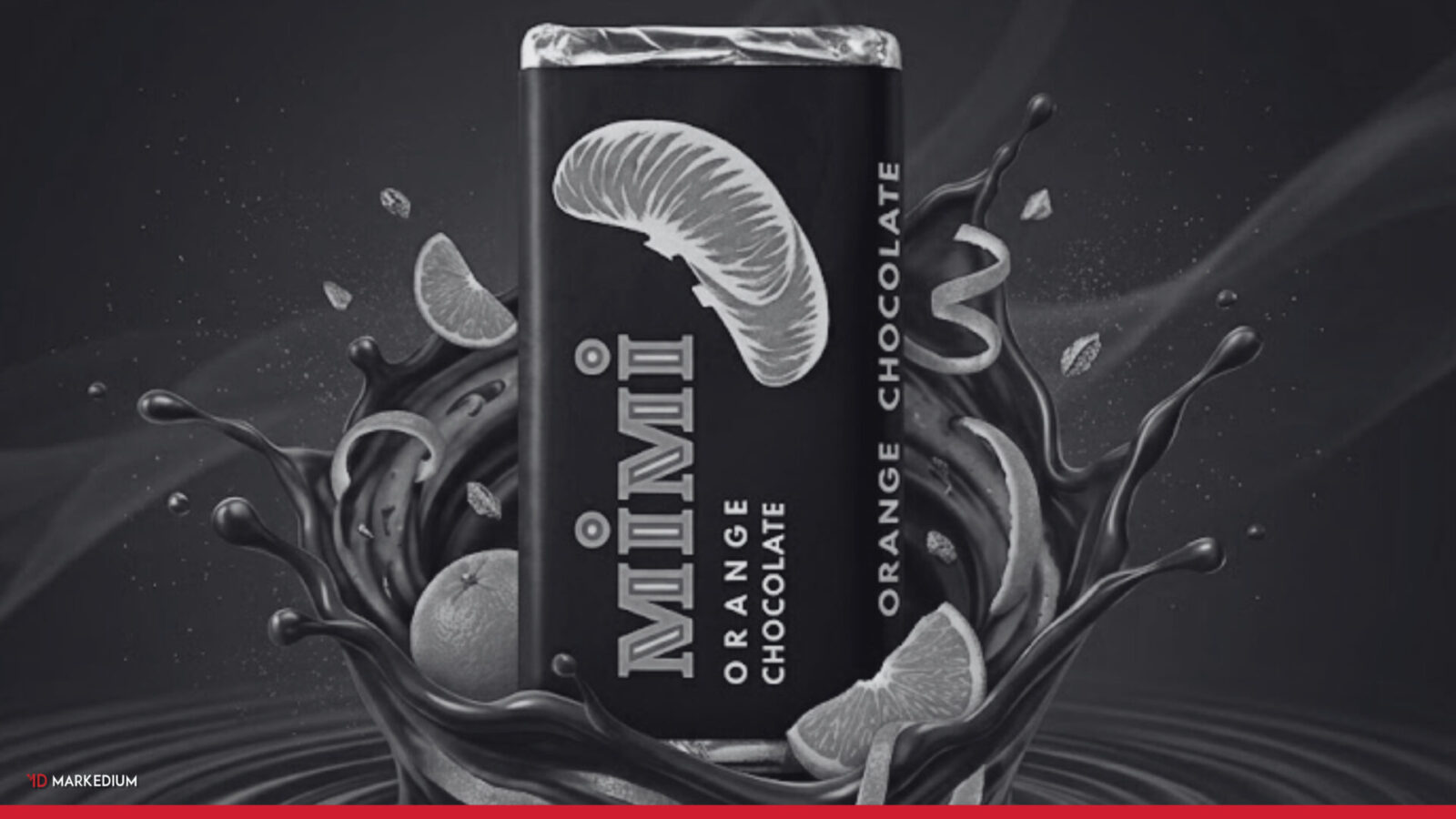
Does the name Mimi ring any bells? If it brings to mind an orange chocolate wrapped in a distinct black cover, then Mimi Chocolate likely left a lasting impression on your childhood. For decades, this citrus-flavoured treat was a familiar companion for students spending their pocket money at local corner stores. Then, the brand that once dominated Bangladesh’s confectionery market seemingly vanished from grocery shelves overnight. But, every now and then, chocolates claiming to be Mimi still appear at roadside stalls or on Facebook pages. These modern products, however, are not the real deal.
To understand why these new mimi chocolates are unauthorized copies, we first need to trace how the original brand built its massive legacy and how its actual factory was eventually dismantled.

Mimi’s Chocolatey Journey
A one-acre plot in Tejgaon served as the sole production site for Mimi chocolate starting in 1965, with machines imported from Germany. The factory opened its doors when the region was still East Pakistan. After Bangladesh’s independence, ownership of the facility transferred to the Bangladesh Freedom Fighter Welfare Trust shortly. The trust managed operations as Mimi chocolate secured a loyal customer base across the country. Mimi chocolate sold millions of Taka worth of chocolates and chewing gum every year. Even in the 1990s, the company sold chocolates and chewing gums worth Tk. 50–60 lakh per month, roughly Tk. 6 to 7 crore a year. But past success provides no shelter against new market competitors. Rival brands like KitKat and Mars began targeting the exact same buyers of Mimi Chocolate with heavy advertising. The market share of Mimi chocolate started to slip away.
What Went Wrong for Mimi?
Mimi’s customer loyalty eventually collided with a rapidly changing retail landscape. Modern private manufacturers entered the market and invested substantial budgets into television commercials and expansive distribution networks. Mimi Chocolate operated with a limited promotional budget and kept its product line largely unchanged. The state run enterprise also faced administrative difficulties in modernizing its distribution to match newer consumer habits.
Operations on the factory floor simultaneously faced physical constraints. The company continued running on the exact German machinery installed in 1965. As the equipment aged, the cost of frequent repairs steadily narrowed the profit margin on every chocolate bar. Officials at the Freedom Fighter Welfare Trust later noted that production costs using these vintage machines spiked sharply after 2000. When maintenance, energy and raw ingredient costs surpass retail prices, a manufacturing unit begins absorbing heavy operational losses. Keeping obsolete machines running gradually started to become an unsustainable financial burden for Mimi Chocolate.
The Mimi chocolate factory machines stopped working in 2009. A brief reopening failed to save the struggling brand. The company officially shut its doors for good in 2018 to end a 53-year run. Sales of Mimi chocolate had already dropped to the bottom years earlier. Annual revenue collapsed to just 15 to 20 lakh Taka by 2014. This amount represented a drop of roughly 97 percent from the peak sales of the 1990s. But a closed factory door does not magically erase corporate debt. The financial damage remained long after the final chocolate bar left the line. Government records show the Bangladesh Freedom Fighter Welfare Trust still carries an unpaid loan to the Mimi chocolate unit of over 4.21 crore Taka.
Can Mimi Reopen?
The physical production line of Mimi Chocolate no longer exists. Abdul Aziz, a former employee of Mimi’s factory said, “At the beginning of 2019, the factory machines were sold as scrap. With that, the last remnants of Mimi Chocolate were removed.” The trust had cleared out the aging Mimi chocolate machines by early 2019. A motorcycle company currently rents the original Tejgaon plot as a commercial showroom.
The organizational leadership recorded the internal challenges that led to this outcome. Mahbuber Rahman, managing director of the Bangladesh Freedom Fighter Welfare Trust said that, “There was no innovation in this government sector and no market study. Our research and development sector is very poor. It (Mimi chocolate) could not survive the competition due to inefficiency.” So, the trust behind Mimi Chocolate completely stopped chocolate manufacturing and scrapped the original German machinery. This means the official company produces nothing today. Any product bearing the Mimi name on roadside carts or social media pages is an unauthorized imitation. Unofficial workshops package ordinary sweets under the familiar black and orange wrappers to profit from public nostalgia. The authentic Mimi Chocolate remains preserved only in the memory of those who tasted the original.
Young marketers occasionally share online proposals hoping to revive the beloved Mimi Chocolate. But, nostalgia alone cannot replace the market study and innovation required for it to compete with modern brands. Returning to the market would require new capital and working machines to overcome the inefficiencies that closed the original factory. The authentic Mimi Chocolate remains preserved only in the memory of those who tasted the original and its story now stands as a cautionary tale for other domestic brands.
For more updates, be with Markedium.












Leave a comment