




















The Background
For many children, bedtime stories are a familiar part of growing up. A parent reads aloud, a child follows the story, and a few minutes of imagination become part of their daily routine. But for blind and partially sighted children, access to those same stories can be limited by the availability and cost of audiobooks.
The Royal Society for Blind Children (RSBC), a UK charity supporting blind and partially sighted children, set out to address this gap with Bedtime Donations. Developed with creative agency INNOCEAN Berlin, the campaign explored how an everyday family habit could help more children access stories without making families pay for expensive audio content.
The challenge was not simply to raise awareness of accessible reading, but to find a practical way to make more stories available. Instead of treating the problem as a traditional charity appeal, RSBC created a way for people to contribute something they already had: their voices.
The Problem
Audiobooks can help blind and partially sighted children enjoy stories independently, develop language skills and experience the same sense of imagination that books offer other children. However, producing audiobooks can be costly, and many published books are not available in accessible formats. For families already facing financial pressure, paying for additional reading resources can be difficult.
RSBC needed a way to expand access to audiobooks without relying entirely on expensive production processes. The opportunity was to turn a resource that was already widely available, people’s willingness to read aloud, into a growing library of free stories.
The Insight
Millions of parents read bedtime stories to their children, sharing their voices as part of a familiar daily routine. Meanwhile, blind and partially sighted children need greater access to audiobooks.
The campaign brought these two realities together. A story read aloud at home did not have to remain a moment shared by one family. With the right tools, that same recording could become a story another child could enjoy.

The Idea
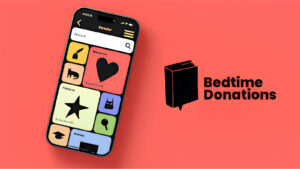
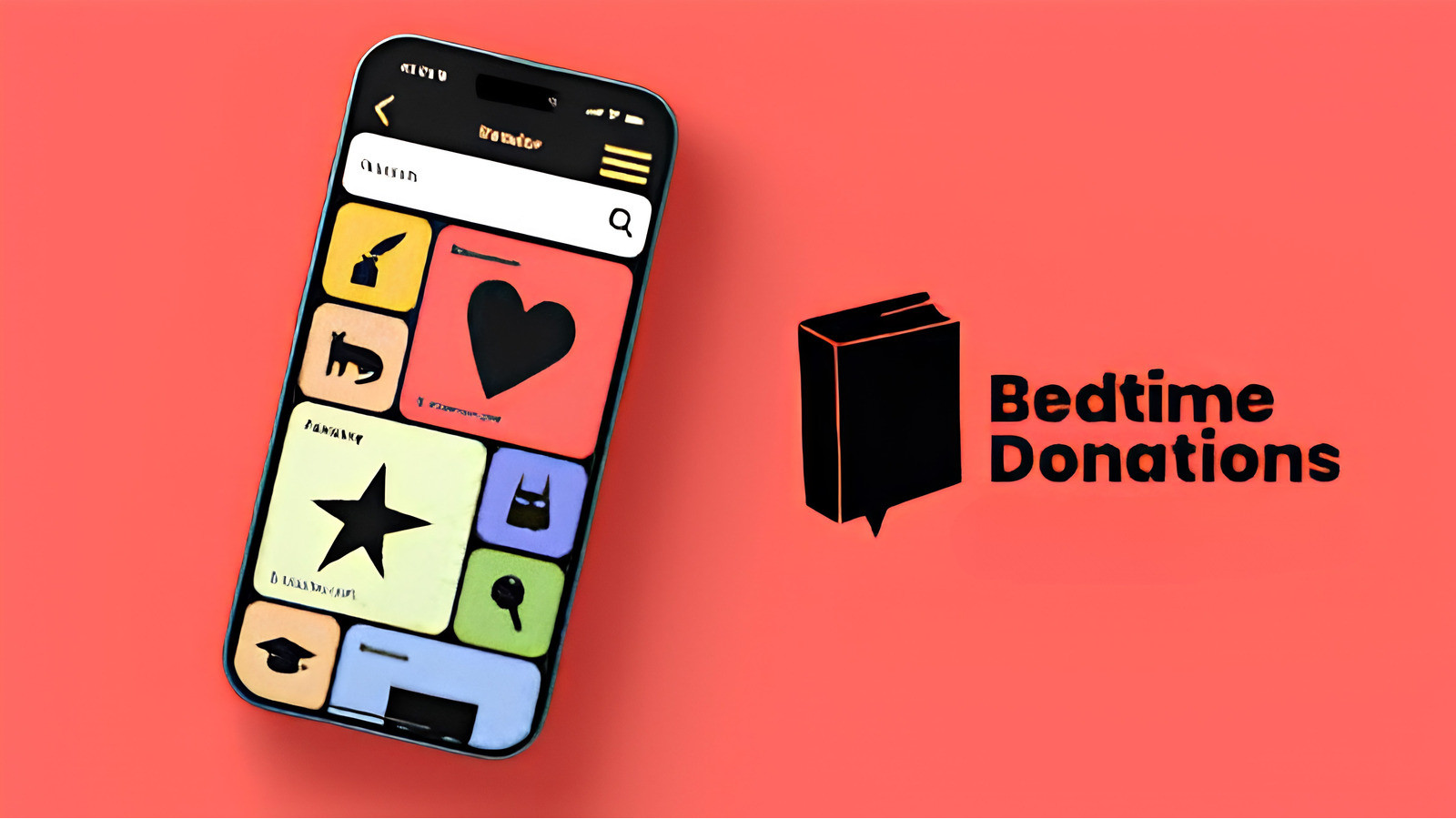
Bedtime Donations turned bedtime reading into a way to donate audiobooks. Through a mobile app, parents, volunteers and other supporters could record themselves reading children’s stories and contribute those recordings to a free audiobook library for blind and partially sighted children.
Rather than asking people only to donate money, RSBC invited them to donate their voices. This made participation simple and personal, while allowing everyday acts of reading to help children beyond their own families.
The Execution
Developed with INNOCEAN Berlin, the Bedtime Donations app was built around two main modes: Reader and Listener.
In Reader mode, adults could choose from a collection of copyright-free children’s stories and record themselves reading aloud. The recordings were checked for audio quality and inappropriate content, with AI-assisted tools helping prepare them for the library. The stories that passed the checks could then be made available to children through Listener mode.
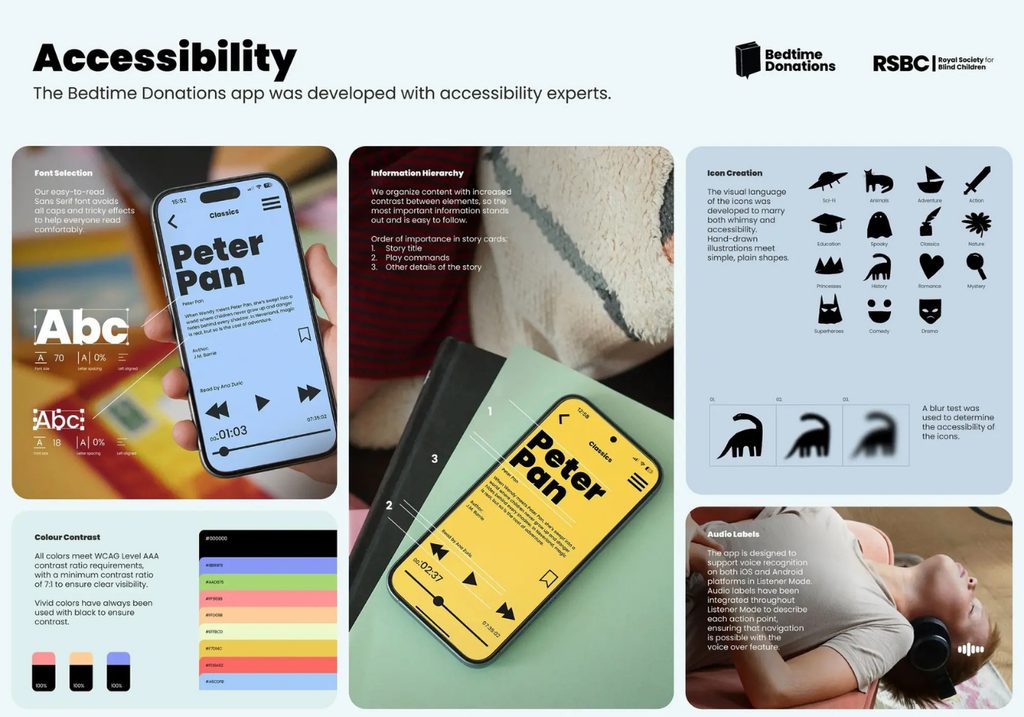
The app’s design also placed accessibility at the centre of the experience. Developed with accessibility experts, it included high-contrast colours, clear typography and screen-reader support across iOS and Android. The design followed WCAG Level AAA contrast guidelines, including a minimum contrast ratio of 7:1, helping users with partial vision navigate the experience more easily.
To encourage participation, the campaign also brought in well-known British actors and comedians, including Jon Richardson, Alison Steadman, Ralf Little, Mathew Baynton and Jon Culshaw, who contributed their voices to the initiative. Their involvement helped introduce the project to a wider audience and encouraged others to take part.

The Results
The response to Bedtime Donations showed how quickly a simple idea could encourage public participation. According to the campaign’s reported results, the app reached number one in the UK book app charts within hours of its launch. Nearly 2,000 people downloaded it on the first day, contributing more than 700 recorded stories.
Campaign results also reported that more than 500 audiobooks had been recorded in less than 72 hours. The library went on to receive a total of 8 days, 5 hours and 53 minutes of donated audiobook content, while the average user listened to 63 minutes of stories daily.
These results reflected more than initial interest in a new app. People were actively contributing recordings, helping build a resource that children could continue to use. By turning participation into something practical, the campaign created a way for public support to translate into greater access to stories.
The Awards
Bedtime Donations received recognition at several major creative industry awards in 2026, including:
- The One Show: Best of Non-Profit, Gold Pencil, alongside additional Bronze Pencils and a Merit Award across several categories.
- The Clio Awards: Two Silver and three Bronze awards.
- D&AD Awards: One Silver and two Bronze awards.
- Webby Awards: People’s Voice Award for App Excellence, Accessibility and Inclusion.
- New York Festivals: Grand Prix, two Gold, one Silver and one Bronze award.
- Cannes Lions: Three Bronze Lions.
Want to stay updated on the latest campaigns and creative ideas? Follow Markedium Campaigns for more.
Have a campaign you think deserves a closer look? Submit it to us here.










Leave a comment