


























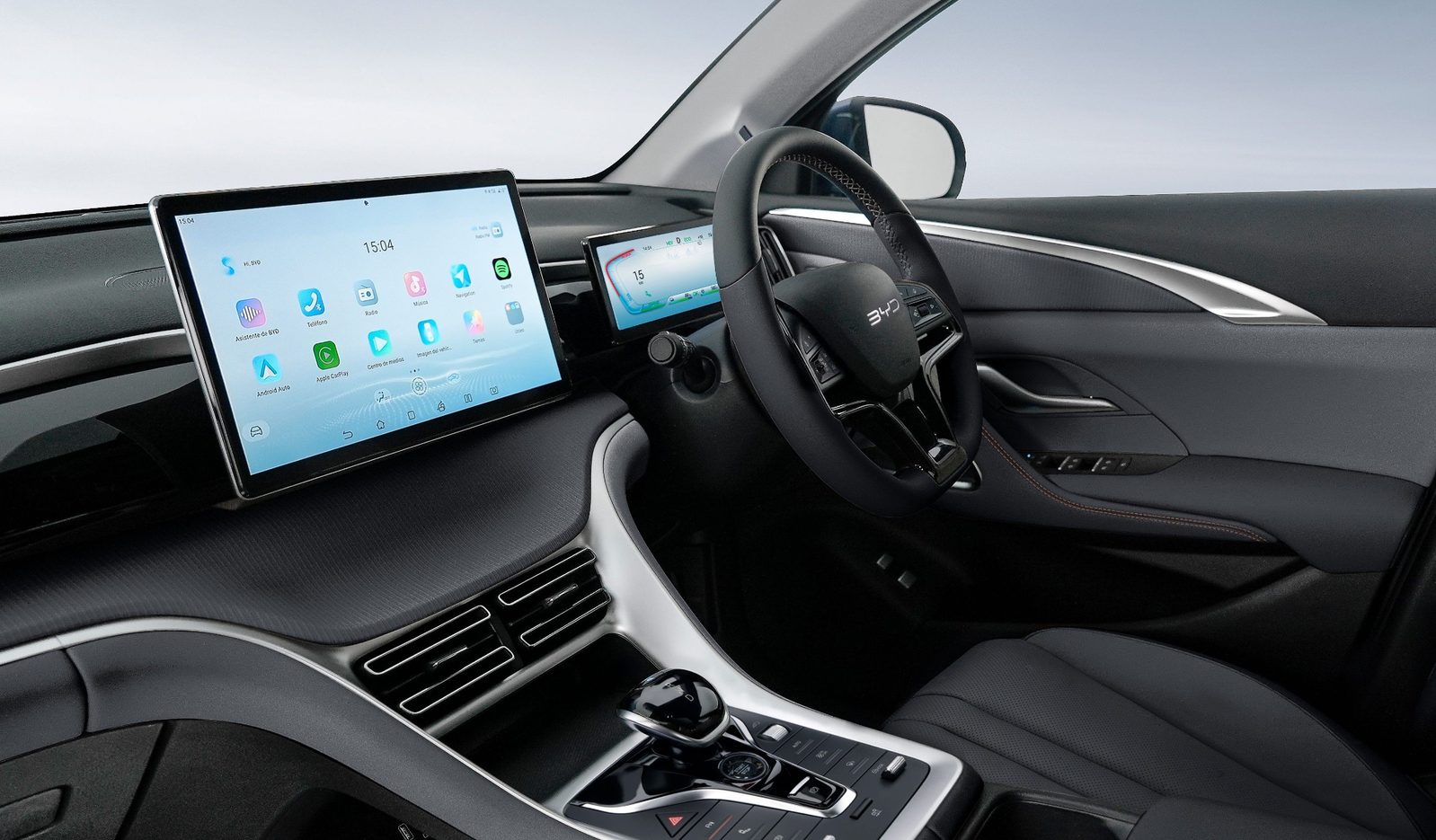
The electric vehicle revolution is supposed to make the world less dependent on fossil fuels. But there is an uncomfortable contradiction behind that transition: EVs do not eliminate resource dependence. They change what the automotive industry depends on.
A conventional car is heavily dependent on oil. An electric vehicle depends much more heavily on minerals such as lithium, nickel, cobalt, graphite, and copper. According to the International Energy Agency, a typical electric car requires about six times more mineral inputs than a conventional car.
And demand is accelerating. Global battery demand increased by more than 35% in 2025, surpassing 1.5 terawatt-hours, while demand for key energy minerals has been growing at nearly 10% a year. Lithium demand alone has increased by roughly 25% annually over the past two years.
The bigger concern, however, is not whether the planet will suddenly run out of these minerals. It is who controls their supply.
The average share of the largest refining country across key energy minerals increased to 70% in 2025, from 68% in 2020. China leads the refining of most key battery minerals, while Indonesia dominates nickel refining. Together, the two countries accounted for more than 75% of the growth in refined mineral supplies worldwide between 2023 and 2025.
The concentration becomes even clearer when individual minerals are considered. China controls more than 90% of the world’s refined supply of graphite and rare earths. Indonesia has become the world’s largest nickel producer, while the Democratic Republic of Congo continues to dominate cobalt extraction. Battery manufacturing is similarly concentrated: China accounted for over 80% of global battery-cell production in 2025, alongside about 85% of cathode active material production and more than 90% of anode active material production.
For decades, oil shaped international politics because access to energy depended on a relatively concentrated group of producers. The clean-energy economy could create a similar form of competition around the minerals needed to build batteries, electricity networks, and other technologies.
Supply disruptions are no longer just a theoretical risk. The IEA says the number of mineral tariff codes subject to Chinese export controls has tripled since 2023. In 2025, export restrictions on rare earths disrupted industries outside China, while new restrictions on battery materials exposed how dependent global manufacturing remains on a handful of suppliers.
Investment adds another layer of concern. Critical-mineral investment fell 9% in 2025, while spending on battery metals declined by more than 20% and lithium investment fell by around 40%. At the same time, the IEA expects global demand for critical minerals to almost double by 2040, with lithium demand more than tripling.

The EV industry therefore faces a difficult contradiction: demand is rising rapidly, while investment in future supply is becoming more cautious. For Bangladesh, that matters because the country is beginning to build its own position in the EV market.
The government is no longer focusing only on importing electric vehicles. In June 2026, Bangladesh introduced separate customs measures covering lithium-battery manufacturing, e-bike manufacturing, and the production of electric three-wheelers, four-wheelers, buses, and trucks. The 2026–27 budget also proposed major duty concessions for local EV manufacturers and component producers.
For higher-value-added four- and three-wheeler production, companies would pay only a 3% import duty on raw materials and components, while locally manufactured electric buses and trucks would receive exemptions apart from 5% VAT.
This creates an opportunity, but it also introduces a vulnerability.
Bangladesh does not need to become a major lithium or cobalt producer to benefit from the EV transition. It could potentially compete in battery assembly, components, electronics, charging equipment, vehicle manufacturing, and, eventually, battery recycling. But if those industries remain heavily dependent on imported batteries and critical materials, a disruption in China, Indonesia, or the DRC could quickly become a manufacturing problem in Bangladesh.
The opportunity, therefore, is not simply to produce more electric vehicles. It is to develop enough domestic capability around the industry for Bangladesh to capture more economic value while reducing its vulnerability to decisions made elsewhere.

The EV revolution is often described as a race between car companies. Increasingly, it is becoming a race between countries that control minerals, processing, technology, and manufacturing capacity.
For Bangladesh, the question is no longer simply whether the country will adopt electric vehicles. The bigger question is whether Bangladesh will remain a consumer of the EV revolution or find a place in the industry that builds it.
For more updates, be with Markedium.













Leave a comment