




























In the 21st century, it’s hard to find a brand without a logo. A logo is not just a visual identity of a brand; it also tells a personality, values, and sometimes a hidden story. Most of the brands use a simple, clear, and recognizable style. This recognition helps customers find their favorite brand by color or shape, without needing the full name. Customers get used to seeing this everywhere. But what happens when that same logo becomes irrelevant over time?
Changing a company’s logo can be quite expensive, especially when the company is well known. But still, this year many companies, including Instagram, PepsiCo, Baskin-Robbins, and Verizon, changed their logo for a visual update. Is this just a visual update, or are there any business strategies behind it?

Let’s see what the possible strategies a brand might use to change its logo.
- Leadership-Driven Rebranding Strategy : When a company’s CEO, owner, or management team changes, they rebrand their logo to show investors and customers that the authority has changed. With the change of authority, there is a major shift in the strategies too. You can think of it as a public declaration of a new vision, helping the company distance itself from previous plans and build confidence among employees, investors, and customers. One prime example is Elon Musk changing Twitter’s logo to X, shifting the social media platform from posting short messages to becoming a broader digital platform. They not only changed their logo, but the company entered a different change of its development.

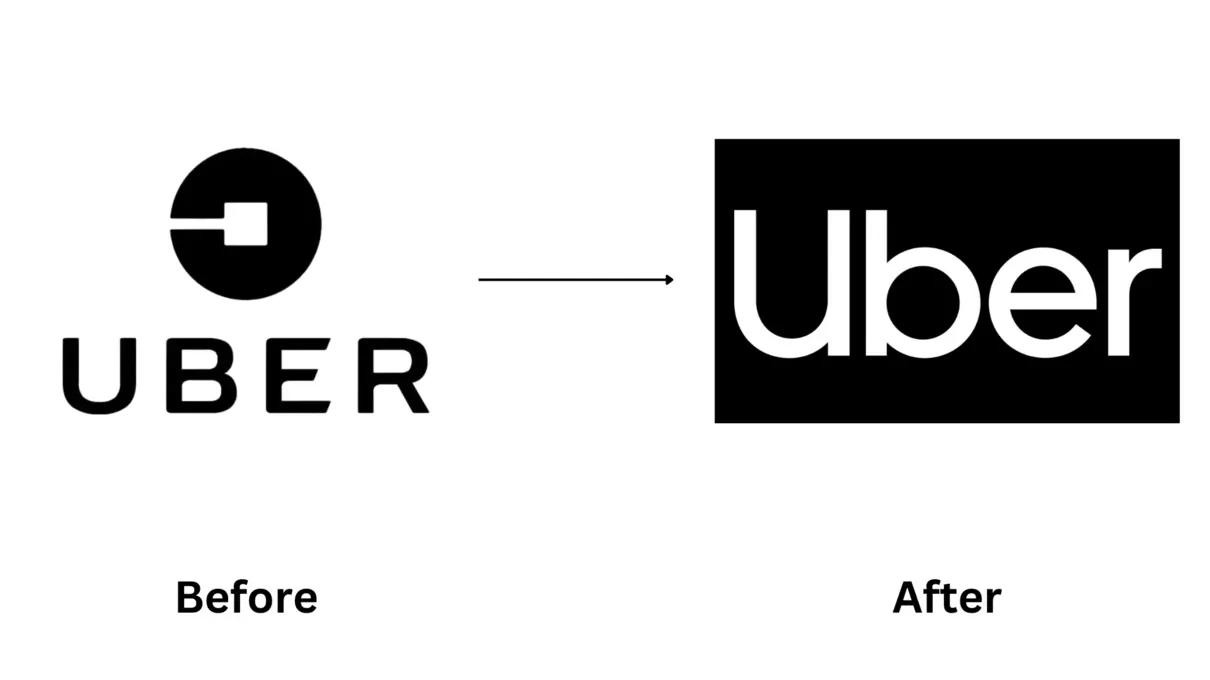
- Brand repositioning: changing the logo helps resetting companies reputation from a bad image, public scandal, or accidents. It’s a strategic way to rebrand the whole company with a simple logo redesign. Sometimes redesigning helps to change the perception that people have of the company. Such as from a sophisticated, serious brand to a playful, simple branding, can help the brand to look more relatable than out of touch. An example would be Uber changing its dark logo in 2018 so people forget their old mistakes. In many cases, the logo rebranding is only one part of a larger repositioning strategy that includes new marketing campaigns, updated products, and a different brand voice.
- Merger and Integration Strategy : When two companies come together through a merger or acquisition a new logo can play a role in showing that they are now one company. The old logos might not reflect the ownership, the new business goals or the full abilities of the combined team. Rebranding helps bring everyone—employees, customers, investors and others—on the page. It shows that a new chapter has started. A clear example is when Exxon and Mobil joined in 1999 to become ExxonMobil. They introduced a logo that made it clear they were now one global energy company. A fresh visual identity helps people see the company as a single, strong and unified business, not just two companies working side by side.
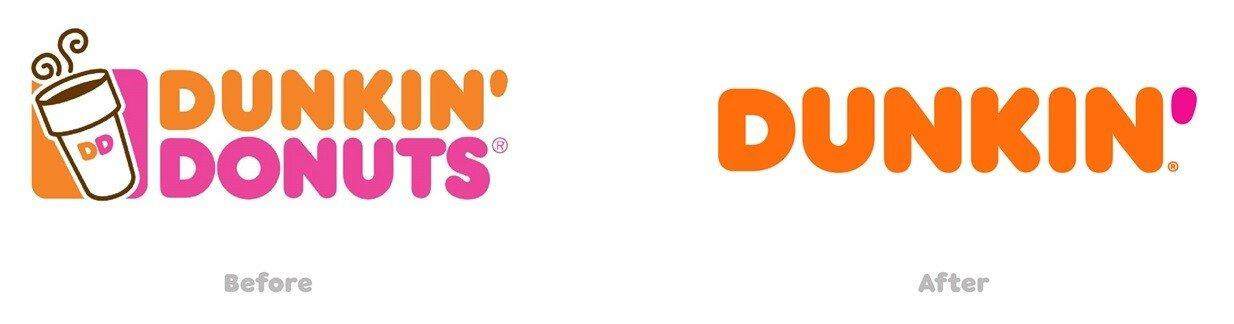
- Market Expansion Strategy : In 2019, Dunkin’ shortened its name from Dunkin’ Donuts to Dunkin’ to reflect that beverages like coffee, tea, and specialty drinks had become the core of its business, which helped the company to reintroduce itself and expand its customer base. A company might start with a specific product; later, it can offer a much broader range of products. When the business becomes larger than the old identity, the brand identity may need to evolve with it. This can help the company reach people who haven’t previously considered it before. It can create more opportunities for the brand and open new doors for production growth.
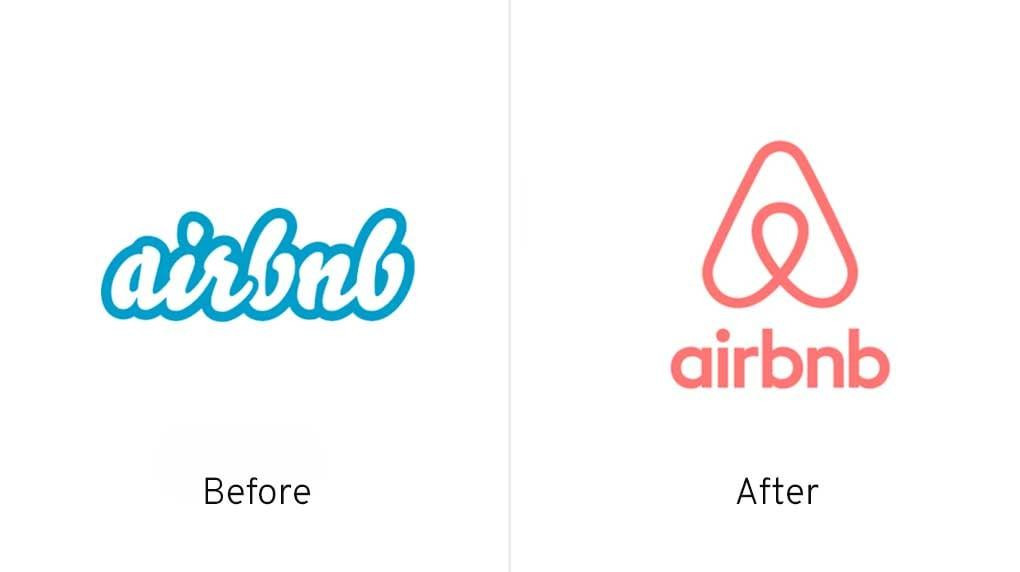
- Brand Modernization Strategy : In this fast-paced world, trends change overnight, and the brand must follow trends; what was cool in the past becomes boring or too generic in the present. In order to stay relevant to the young generation, sometimes brands change their logo or wordmark. When a company feels dated or no longer attracts a targeted audience, they change the color palette, font, or icon to make the logo bolder and more appealing. In 2014, Airbnb replaced its wordmark with the “Bélo” symbol to provide a cleaner aesthetic. This rebranding sometimes helps the company in a similar crowd. To do that, brands don’t always have to change their core icon; instead, a better strategy would be to modernize its surrounding brand system while preserving the strongest part of the existing identity.
- Values-Driven Rebranding Strategy : Now brands are moving toward new values and sustainability. Consumers now prefer environmentally friendly products, and stakeholders are also paying closer attention to social issues. It forces the company or brand to redesign a logo that more closely aligns with their sustainable and social goals. For instance, BP rebranded from British Petroleum to “Beyond Petroleum,” a green and yellow logo to show importance on renewable energy and a more environmentally conscious image. Even though a simple logo can change a company’s value, it can definitely show a stronger commitment and social responsibility that the brand is trying to practice.
A successful brand has something called ‘brand equity’, which means that customers already have an image associated with the company’s name, logo, colors, reputation, and products. When people see the Coca-Cola logo or the Nike swoosh, they immediately recognize the company. That recognition has been developed over many years, as it contains nostalgia and memories. Thus, when a company suddenly rebrands its established identity, this strategy can backfire as the new logo is unknown to the consumers. However, if the executives believe the current logo is holding the company back, then this risk is worth taking.
Want to stay updated on the latest campaigns and creative ideas? Follow Markedium Campaigns for more.
Have a campaign you think deserves a closer look? Submit it to us here.
















Leave a comment