



























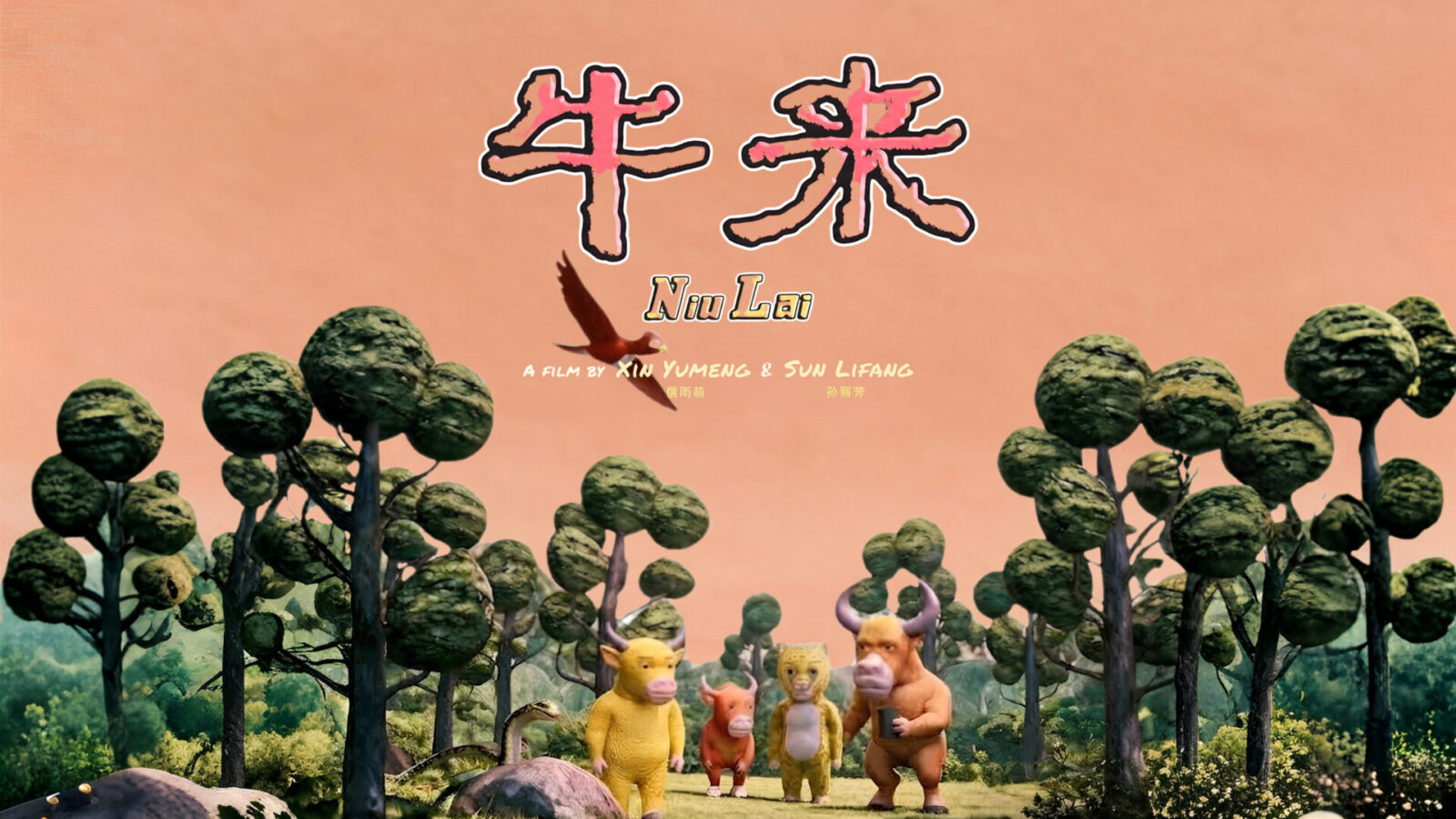
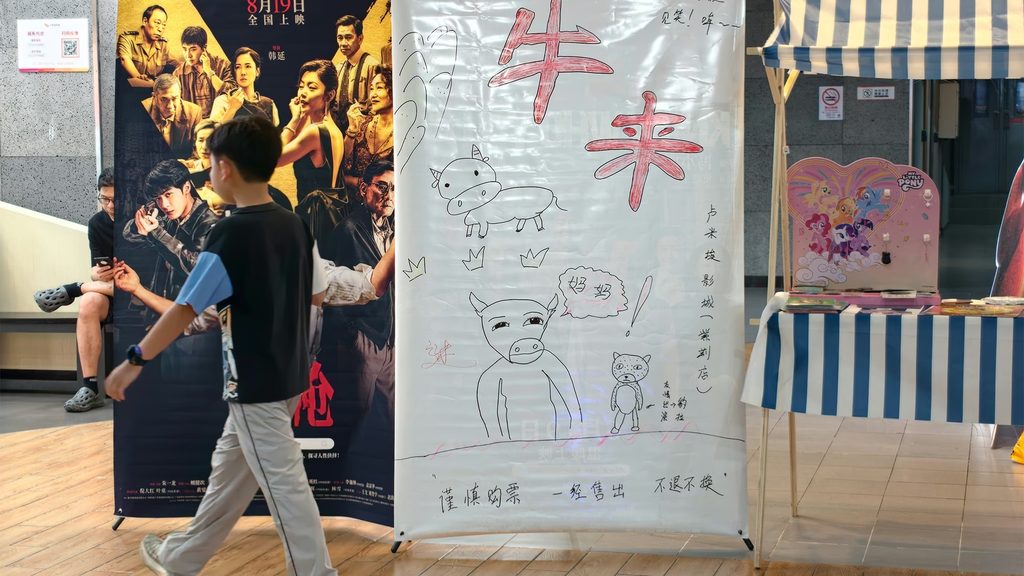
¥7,169. That was all Niu Lai earned from 236 viewers during its first nine days in cinemas. For most films, that would probably be the end of the story. Instead, the Chinese animated film became an internet joke, and the joke turned into a box-office phenomenon. Its earnings eventually climbed to around ¥59 million.
Even stranger, the film did not go viral because people suddenly decided it was beautifully animated. They went to see it because they thought it looked terrible. In an age of increasingly polished digital content, Niu Lai raises an interesting question: what happens when being imperfect becomes more valuable than being perfect?
In 2026, people are increasingly surrounded by what is often called “AI slop”: huge amounts of AI-generated content that is fast, visually polished and technically competent, but often feels strangely empty. It appears on social media, in advertisements and videos, and increasingly across creative industries. The problem is not necessarily that the content looks bad. It is that so much of it looks the same.
Niu Lai could hardly be more different. Its poster was a traditional ink-wash painting that looked almost premium compared with the film itself. The animation, by contrast, was criticised for its awkward movements, strange character designs and poor lip-syncing. Yet once audiences discovered that the entire film had been created by just two people over more than five years, using second-hand hardware and SketchUp, the story changed. The bad animation suddenly had context.
The interesting part is not simply that audiences laughed at Niu Lai. It is that many eventually began to appreciate what its flaws represented. Knowing that Xin Yumeng and his mother, Sun Lifang, spent years making the film changes how those imperfections are interpreted. The awkward models are no longer just signs of poor technical ability. They are evidence of effort.
Sun taught herself screenwriting, while the pair handled the film’s production and voice work themselves. They were not trying to manufacture a quirky aesthetic. They were working with what they had.
AI can now produce something that looks “good enough” almost instantly. When technical correctness becomes cheap and abundant, it may stop being an especially powerful signal of value. What becomes harder to replicate is a person’s particular taste, strange decisions, limitations and mistakes. There is something oddly comforting about knowing exactly where those mistakes came from.
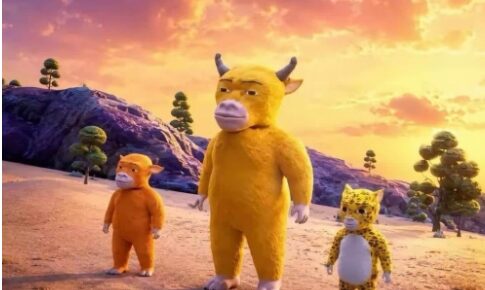
Niu Lai is also difficult to dismiss as just an internet meme because the numbers are extraordinary. The film was made for only several thousand yuan, yet its box office reached around ¥59 million. At one point, its daily screenings jumped from just 21 to 359 in a single day as curiosity grew. A film that was almost disappearing from cinemas suddenly needed more screens.
That is where imperfection starts looking less like a weakness and more like a competitive advantage.
In a market flooded with content that can be produced cheaply and efficiently by AI, being visibly human can become a form of differentiation. It can signal effort, originality and authenticity. People are not necessarily paying for the technical quality of Niu Lai. They are paying for the story behind it, the experience of seeing something so unusual and, perhaps, the feeling that there are still people making things simply because they want to.
Of course, this does not mean every badly made film is going to become the next Niu Lai. Its success depended on a very specific combination of timing, social media, curiosity and a genuinely unusual production story.
There is also a legitimate concern about where this trend could lead. The Beijing News criticised the film for lowering expectations about what audiences should accept from cinema. If creators begin deliberately making poor-quality work because “bad is the new good,” authenticity could quickly become another marketing trick.
There is a difference between imperfection that comes from genuine human limitations and imperfection performed because it sells. Niu Lai worked because audiences discovered the human story behind the flaws. That cannot simply be manufactured every time.
For more updates, be with Markedium.















Leave a comment