




























How a $2.2 billion gamble in South Africa was brought to a sudden halt, and what De Beers’ dramatic retreat tells us about the fragile state of global luxury.
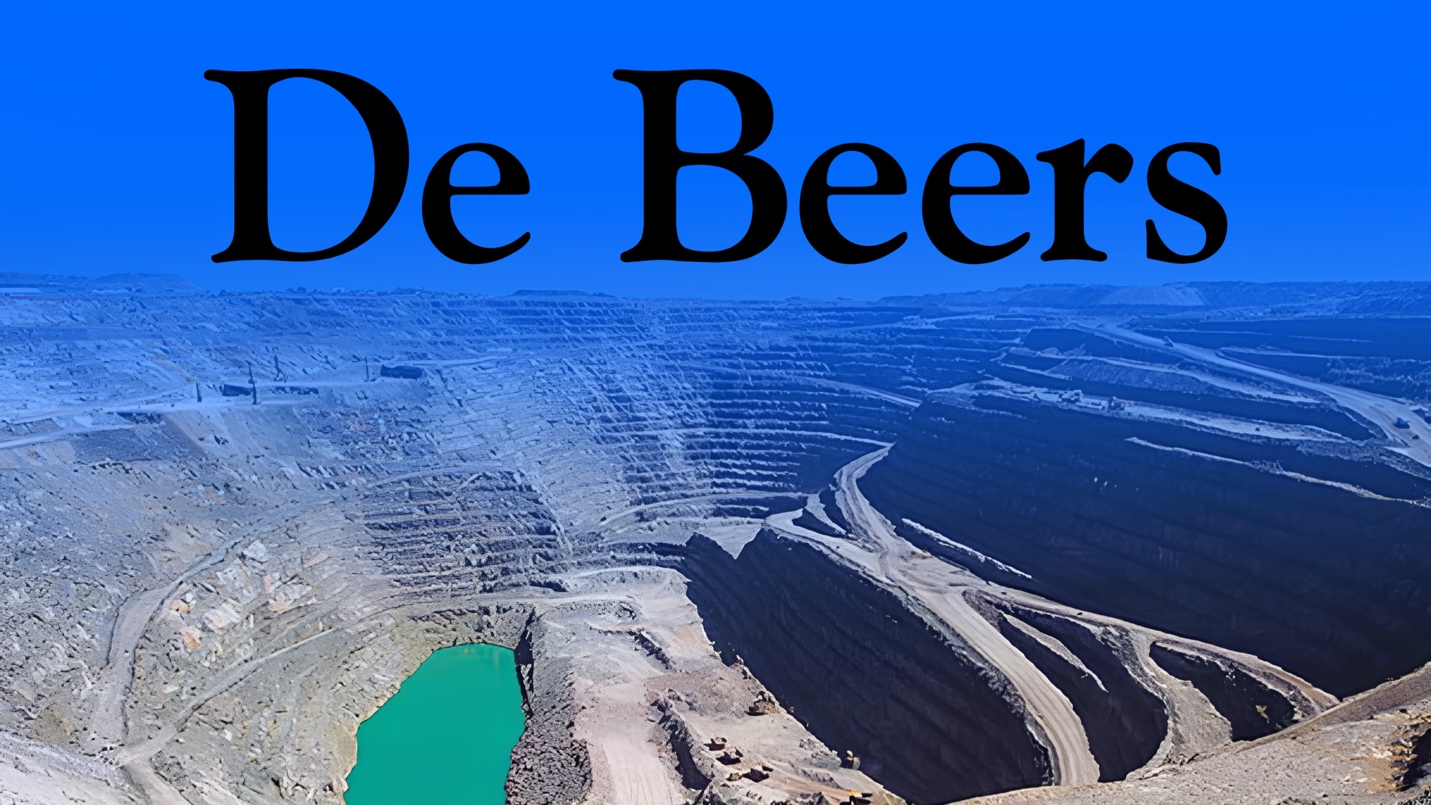
Deep beneath the Limpopo Province of South Africa, the silence is deafening. For years, the Venetia mine has been the beating heart of the country’s diamond industry, accounting for approximately 40 per cent of South Africa’s total diamond production and a staggering 10 per cent of De Beers’ global output. It was supposed to be the future. After exhausting the mine’s open pit, De Beers poured a massive $2.2 billion into developing a state-of-the-art underground operation designed to access deeper, untouched diamond deposits.
Yet, in a move that has sent shockwaves through the global luxury sector, the world’s largest diamond producer by value has pulled the plug, pausing production at Venetia for the next two years.
The decision to freeze a multi-billion-dollar operation highlights a profound crisis unfolding across the natural diamond industry. To understand why De Beers has walked away from its shiny new underground investment, one must look beyond the gates of Venetia to a perfect storm of macroeconomic shifts, changing consumer psychology, and technological disruption.
The Anatomy of a Supply Chain Jam
To understand why De Beers is leaving its most valuable assets in the ground, one must trace the “bullwhip effect” currently paralyzing the diamond pipeline.
The crisis began at the retail counter. As global jewelry sales slowed, retail jewelers responded by slashing their orders for polished diamonds. This drop in retail demand did not simply pause the market; it rippled backward through the supply chain with compounding force. The middle of the pipeline—the independent diamond cutters and polishers who purchase rough stones, cut them, and sell them to retailers—suddenly found themselves squeezed.
With fewer polished orders coming in, cutters and polishers drastically reduced their demand for the rough, unpolished diamonds produced by miners like De Beers. Consequently, rough diamond prices have plummeted, remaining well below their 2022 highs. Rather than continuing to extract stones into a completely jammed pipeline—which would only add to the massive, depreciating excess inventories already held by miners, traders, and manufacturers—De Beers chose to shut off the tap.
The Great Chinese Asset Pivot: Gold over Stones
Historically, the diamond industry’s growth was anchored by the rapid expansion of the Chinese luxury market. In 2024, China accounted for nearly 14 per cent of the global diamond market by revenue, generating an estimated $5.72 billion. A staggering 96 per cent of this demand was driven directly by jewelry and ornaments.
Today, that foundation has cracked. Weakened consumer confidence has forced Chinese households to sharply curb discretionary luxury spending. But the deeper threat is a psychological pivot: Chinese consumers no longer view diamonds as a reliable store of wealth. Instead, they are aggressively prioritizing tangible, liquid, safe-haven assets.
This is not a subtle shift. In 2025, Chinese investment in gold bars and coins surged by 35.1 per cent. In the eyes of the Chinese consumer, gold has systematically cannibalized the diamond’s role as the ultimate symbol of household financial security.
The Double-Agent Paradox of India and China
The rise of lab-grown diamonds (LGDs) represents a permanent, technological disruption rather than a passing trend. These synthetic stones are chemically and physically identical to natural diamonds but are sold at a fraction of the price, making them highly disruptive to the affordable jewelry segment.
The geographical irony of this disruption is profound. India and China have long been the indispensable backbones of the traditional, natural diamond supply chain. Yet, these same two nations have simultaneously emerged as the world’s leading producers of lab-grown diamonds.
By acting as both the primary processors of natural diamonds and the chief manufacturers of their synthetic competitors, India and China sit squarely at the center of the traditional value chain and the very disruption threatening to dismantle it. The resilience of this synthetic market is undeniable: even in a highly challenging global economic climate, India’s polished lab-grown diamond exports grew 1.98 per cent year-on-year to $194.78 million during the April-May 2026 period.
Overcoming the Sunk-Cost Fallacy
To the untrained observer, halting a mine after spending $2.2 billion to transition it underground seems like a failure. In reality, De Beers is demonstrating rigorous capital discipline.
The $2.2 billion development cost is a sunk cost. It cannot be clawed back by mining more diamonds to sell at depressed prices, which would only erode the value of their remaining inventory. By pausing operations at Venetia for two years, De Beers achieves three vital corporate objectives:
- Conserves cash by avoiding expensive underground extraction costs.
- Protects pricing power by refusing to add to already bloated global inventories.
- Preserves asset value by keeping their physical wealth safely stored in the earth until market conditions improve.
To buffer this pause, De Beers plans to maintain its overall production guidance by leaning on its other global mining operations, while aggressively cutting operating costs at the idled Venetia site. It is a masterclass in operational agility: hiding from the storm while keeping the core corporate engine running
For more updates, be with Markedium.

















Leave a comment