



























Background
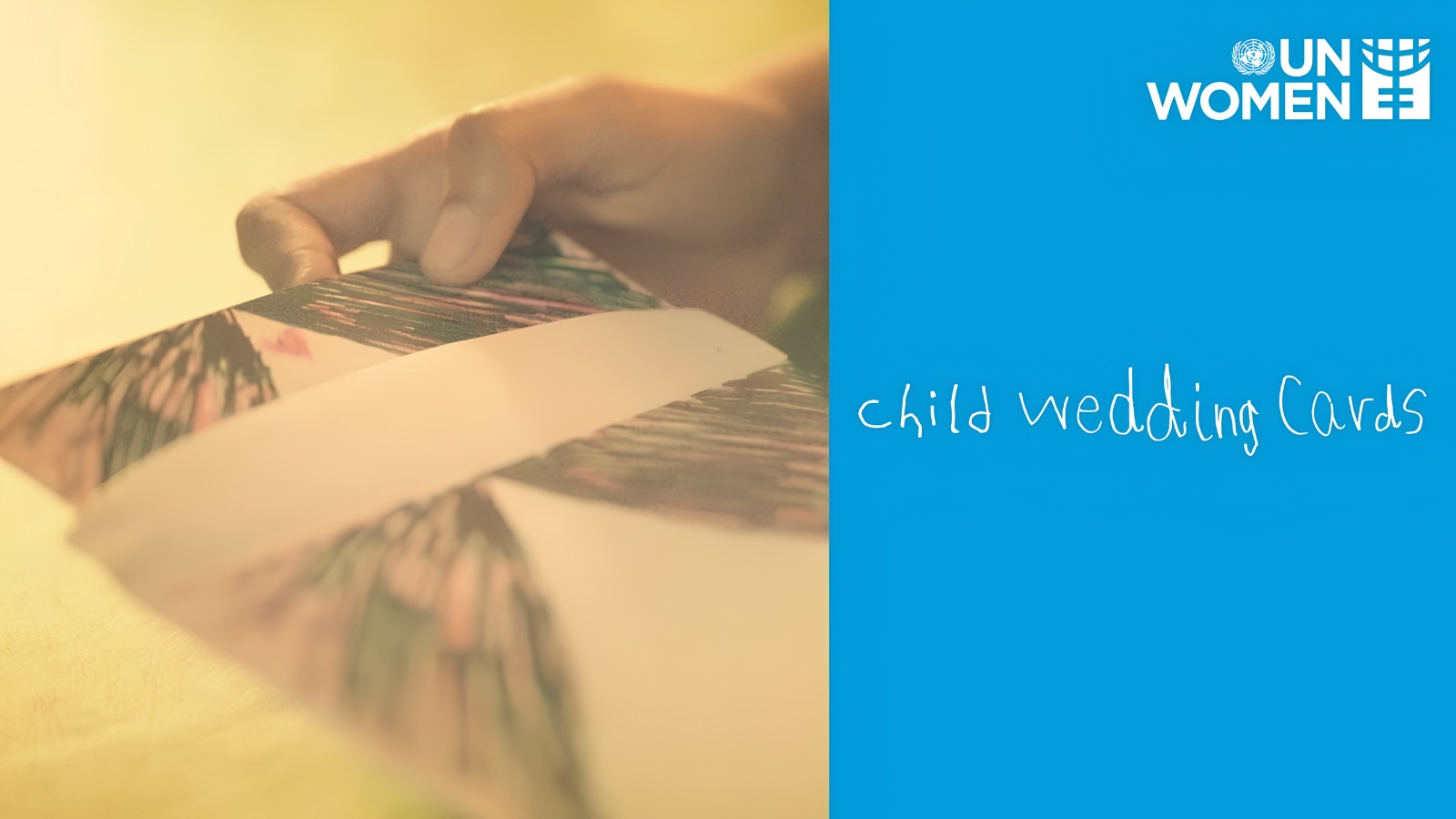
Pakistan has one of the highest rates of child marriage in the world, with nearly 19 million girls reported to have been married before the age of 18. While organisations had been working to raise awareness around the issue, creating meaningful legal change remained a challenge. UN Women wanted to take the conversation directly to the people who had the power to influence policy: lawmakers. The challenge was finding a way to make the issue feel personal rather than turning it into another awareness message. Working with IMPACT BBDO, UN Women found the answer in something deeply familiar to Pakistani culture- the wedding invitation.
Insight
A wedding invitation is something most people immediately understand. It announces an important family occasion, carries personal information and is traditionally shared directly with guests. The campaign team realised that the same familiar format could be used to draw attention to something that should never happen: the marriage of a child.
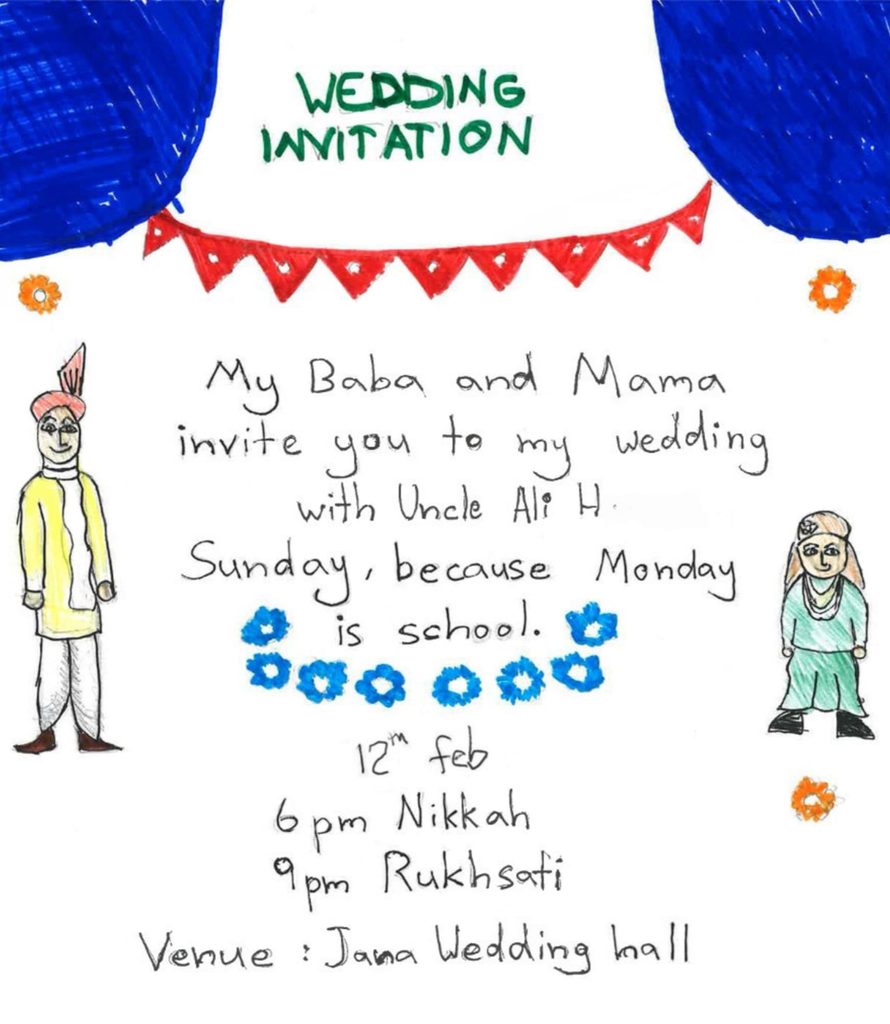
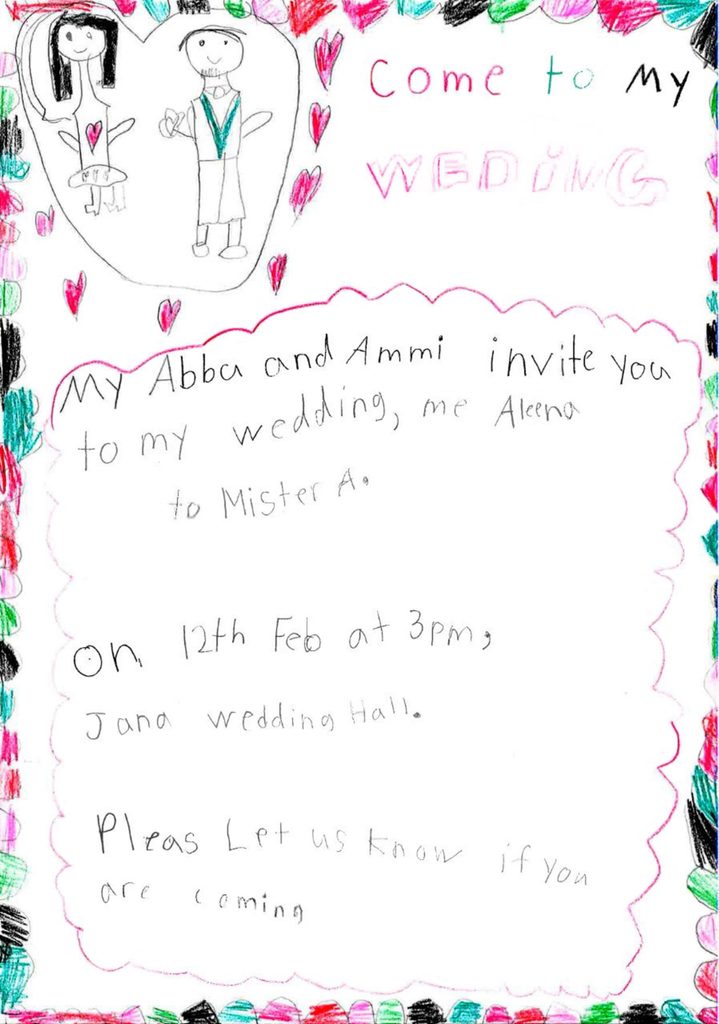
The team also wanted children themselves to have a role in telling the story. Girls between the ages of 5 and 15 were invited to create artwork for the cards, with children from different backgrounds and regions taking part. One of the contributors was a former child bride, giving the campaign a direct connection to the issue. The contrast between the innocent children’s drawings and the subject of child marriage became central to the idea.
Idea
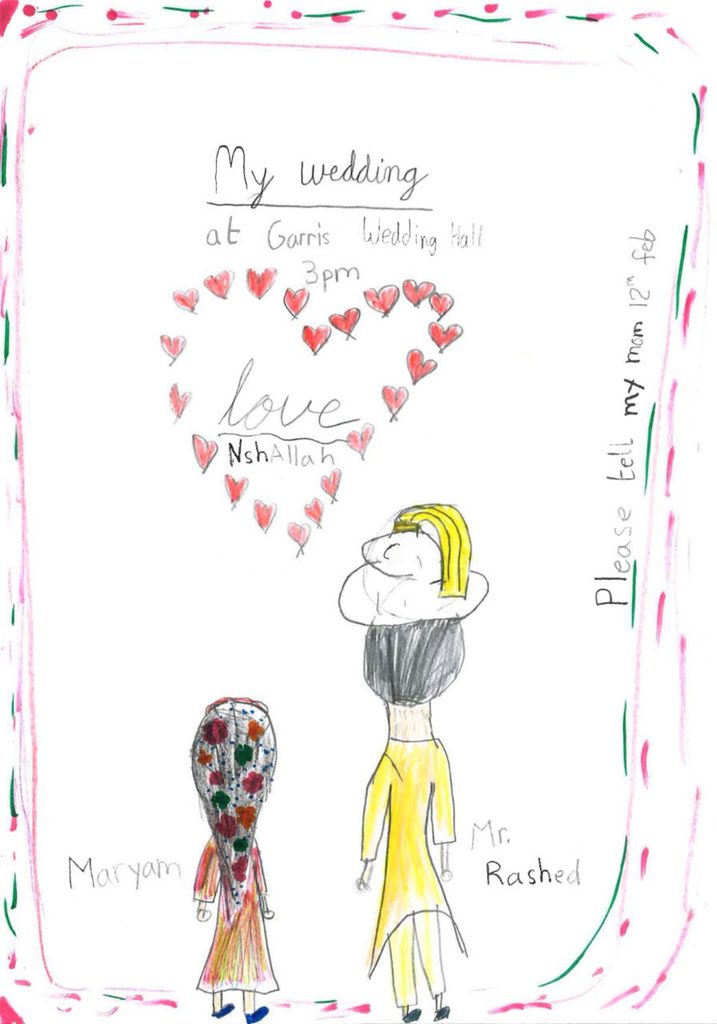
The idea was to create wedding invitations for fictional child weddings and send them directly to Pakistani lawmakers. Six different cards were created using children’s artwork, with each card representing a different region of Pakistan. Rather than asking politicians to read another report or respond to another public message, the campaign gave them something physical that represented the issue they were being asked to address.
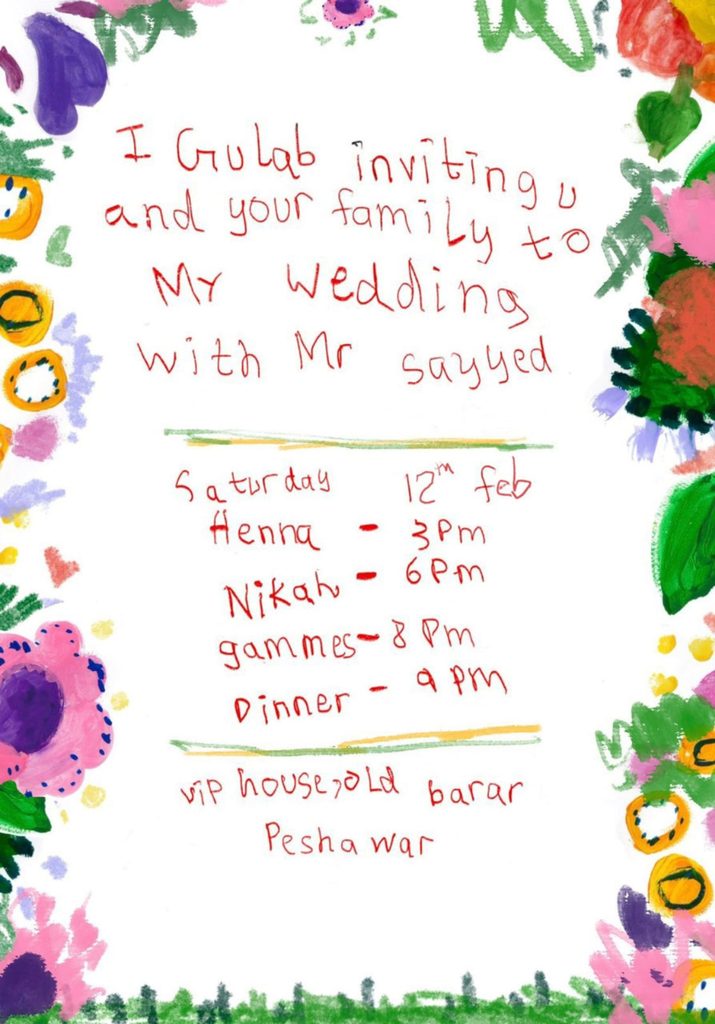
The cards also created an opportunity for lawmakers to become part of the conversation. Once they received and shared the invitations, the campaign could move from a private message into a public discussion.
Execution
The campaign started by collecting drawings from children between the ages of 5 and 15. Selected artworks were developed into six wedding cards, each reflecting a different part of Pakistan. The cards were then hand-delivered to members of the National Assembly and other influential figures. A short film documented the creation of the cards and explained the reason behind the campaign.
The campaign became particularly powerful when the cards reached Parliament. Lawmakers brought the invitations into parliamentary sessions and used them to highlight the issue and call for stronger action. The simplicity of the execution was also part of its strength. Campaign case information reported that the production cost was less than $1,500, showing how a focused creative idea could create attention without requiring a large media budget.
Results
The campaign helped turn child marriage into a wider political and public conversation. More than 25 million people were reached, while dozens of lawmakers publicly supported calls for action against child marriage.
The campaign also became connected to important legal developments. In March 2023, Pakistan’s Federal Shariat Court dismissed a challenge to the Sindh Child Marriages Restraint Act and ruled that setting a minimum marriage age was not contrary to Islamic principles. The Sindh law sets the minimum marriage age at 18 for both boys and girls.
Awards
The campaign received major recognition across the international advertising industry. At the 2024 Cannes Lions, Child Wedding Cards won the Lions Health and United Nations Foundation Grand Prix for Good, along with a Gold Lion in Health & Wellness and a Bronze Lion in Glass: The Lion for Change.
It also won a Graphite Pencil at D&AD 2024 in the Impact category. At The One Show 2025, the campaign received a Gold Pencil in Print & Promotional for Good and the Best of Non-Profit Pencil. It was also recognised at the Effie Pakistan Awards and Clio Awards.
Why It Worked
Child Wedding Cards worked because the campaign built its message around something people already understood. A wedding invitation did not need much explanation; changing what the invitation represented was enough to make the issue feel immediate. The children’s artwork added another layer to the idea. Their drawings made the cards feel authentic, while the direct delivery to lawmakers ensured that the message reached an audience capable of influencing policy.
Every part of the campaign supported the same thought. Children created the cards, the cards represented child marriage, lawmakers received them and Parliament became part of the conversation. Instead of simply talking about the problem, UN Women gave people something they could see, hold and discuss. The campaign is a good example of how cultural understanding can turn a simple object into a powerful communication tool.
Want to stay updated on the latest campaigns and creative ideas? Follow Markedium Campaigns for more.
Have a campaign you think deserves a closer look? Submit it to us here.
For more updates, be with Markedium.













Leave a comment