




























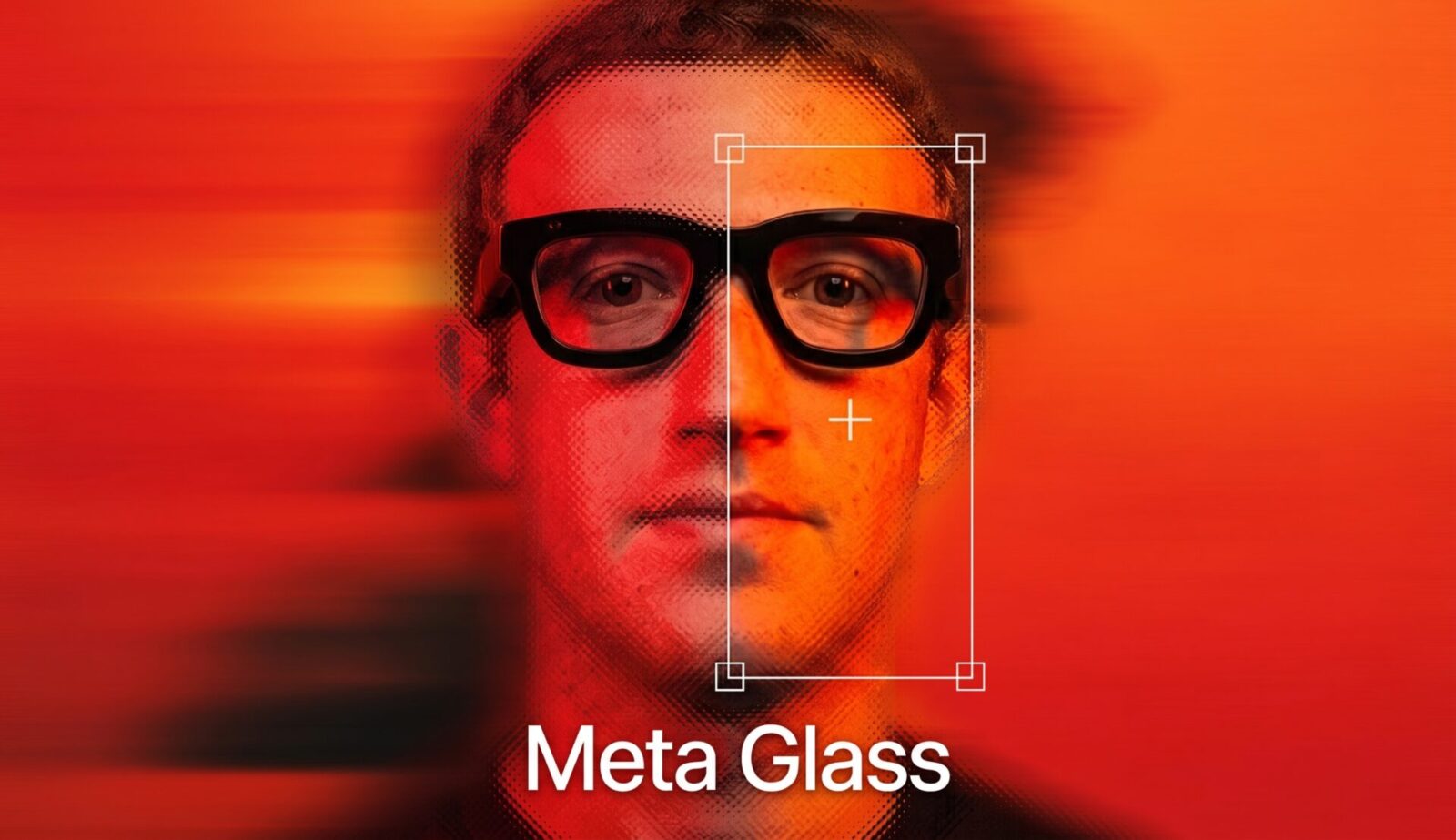
Over the past year and a half, Meta has done something the smart-glasses industry struggled with for years: it made smart glasses feel normal. Instead of futuristic gadgets, Meta made them look like regular sunglasses. Through its partnership with EssilorLuxottica, the technology was placed inside familiar Ray-Ban and Oakley designs. Celebrities, including Doja Cat, Teyana Taylor, and Kylie Jenner, then helped turn smart glasses into a fashion accessory. Meta even launched a $399 pair designed with Kylie Jenner, featuring her voice as the AI assistant.
And the strategy seems to be working. Meta and EssilorLuxottica sold more than 7 million AI glasses in 2025, while Omdia estimates that global AI-glasses shipments reached 8.7 million units, up 322% year over year, with Meta accounting for an estimated 85.2% of the market.
But Meta isn’t the first company to bet on smart glasses. Google Glass showed what happens when technology gets too far ahead of social acceptance. Launched to consumers in 2014, Google Glass looked unmistakably like a piece of technology, with a visible display and camera. It attracted privacy concerns, was banned in some establishments, and became associated with users being called “Glassholes.” Google eventually stopped selling the consumer version.
The lesson was not necessarily that people didn’t want wearable technology. They didn’t want to feel like they were wearing a gadget or being watched by one.
Meta appears to have solved the first problem by doing the opposite: making the technology almost invisible. And that creates a new problem. The same thing that makes these glasses attractive is also what makes them worrying. They look completely normal. There is no obvious camera or large warning sign. The main indication that someone may be recording is a small LED light, which many people might not notice. Reports have highlighted cases of women being secretly filmed in public, businesses restricting the glasses, and even a Brazilian gynecologist being arrested after allegedly recording a patient during an examination.
So Meta now faces a bigger business question than simply, “Do people want smart glasses?” The question is, “Can Meta make people feel safe around them?”
Recent research from the University of Sydney analysed 350 publicly available Instagram videos recorded with smart glasses between 2023 and 2026. Around 60% of interactions were classified as potential harassment, while 43% exposed women to abusive online commentary, with some cases revealing personal information.
Meta has responded by removing accounts that post secretly recorded content and maintaining that the recording light cannot simply be switched off. But what happens after someone has already been recorded? Deleting the video later doesn’t undo the violation.
The backlash has particularly focused on women’s safety. Some secretly recorded videos have been shared alongside identifying information, while concerns are growing around facial recognition and stalking. This has created an unusual consumer market: people aren’t just buying products to use smart glasses; they are looking for ways to protect themselves from other people’s smart glasses.
Courts, hospitality businesses, theaters, testing centers, and other institutions have also restricted or banned them because they face a simple problem: How do you know whether someone’s glasses are recording? When a recording device looks exactly like ordinary sunglasses, banning it becomes the easiest solution.
Yet the technology has genuine benefits. For blind and low-vision users, smart glasses can describe surroundings, read text, and identify objects. Meta has also integrated Be My Eyes, allowing users to connect with sighted volunteers for visual assistance.
So Meta is caught between two realities: the glasses need to be invisible enough to feel normal but visible enough for people to feel safe. Google Glass showed that making technology too obvious can kill adoption. Meta may be proving that making it too invisible creates a different problem.
The success of smart glasses, then, cannot be measured only by how many people want to wear them. It also depends on whether the people standing around them trust them.
For more updates, be with Markedium.















Leave a comment