






























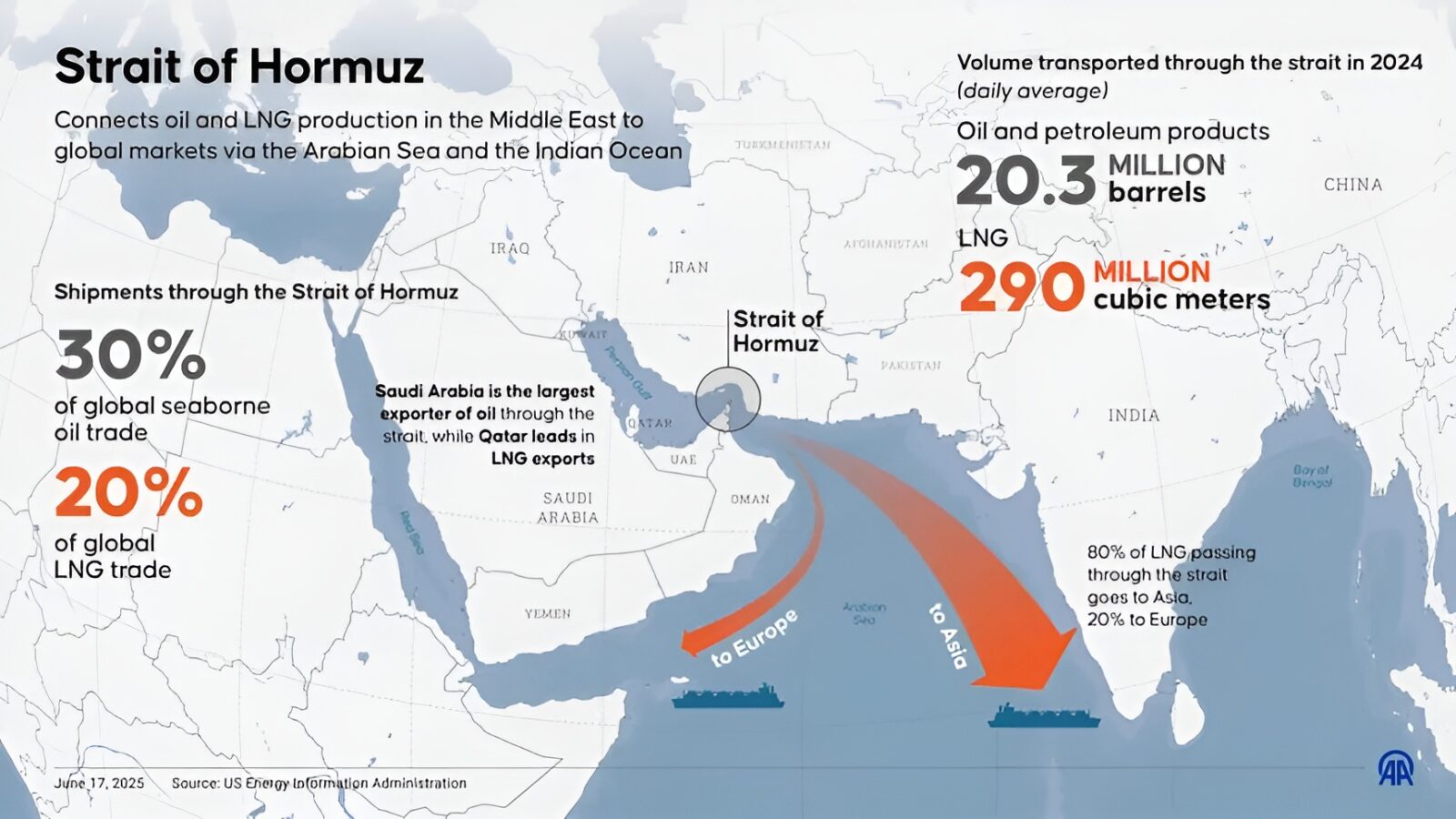
The joint military operations conducted by the United States and Israel against Iran, coupled with subsequent retaliations, have caused a major upheaval in global maritime trade. The effective closure of the Strait of Hormuz, a vital waterway bordered by Iran and Oman, has paralyzed shipping traffic, impacting a wide range of industrial sectors far beyond the energy market.
Disruption of Global Fertilizer and Food Supplies
The Strait of Hormuz is a primary artery for the global agricultural industry, with approximately 33 percent of the world’s fertilizers, including sulfur and ammonia, transiting the passage. These essential supplies are typically loaded in Qatar, Saudi Arabia, and the United Arab Emirates for delivery to India, China, Brazil, and various African nations. According to trade analysis firm Kpler, no viable land-based alternatives exist to replace this maritime capacity. Furthermore, as fertilizer production is highly energy-intensive, the spike in hydrocarbon prices caused by the conflict with Iran is expected to trigger a significant increase in global fertilizer costs.
Threats to Polyethylene and Plastic Production
The ongoing hostilities also threaten a major polymer export hub located in the United Arab Emirates. This region produces up to 23 million tons of polyethylene annually, accounting for 15 percent of global production. Recent incidents have directly impacted infrastructure, including a fire at the Emirati port of Jebel Ali caused by falling debris from aerial interceptions. Additionally, port operations in Kuwait were temporarily suspended for safety reasons, creating a high risk of raw material shortages for the global plastics industry.
Mandatory Rerouting and Rising Logistics Costs
Due to the acute security risks, major shipping giants, including the Danish firm Maersk and French company CMA CGM, have suspended all transits through the Strait of Hormuz and the Suez Canal. Vessels are now required to circumnavigate the African continent via the Cape of Good Hope to reach Europe from Asia. This detour adds several thousand kilometers to each journey, leading to significantly higher fuel consumption and extended delivery schedules. Simultaneously, maritime insurers have drastically increased rates for any vessels operating near Iran and Oman, further escalating the cost of international trade.

The maritime disruption poses a severe risk to the arrival of essential food imports to nations in the region that rely on them. History shows that military friction in these waters can lead to the total blockage of vital staples, such as in previous instances where rice shipments from India were halted. As the conflict continues, the potential for localized food shortages remains a critical concern for populations dependent on these trade routes.
For more updates, follow Markedium.











Leave a comment