




























Bangladesh’s economy is changing in ways that don’t always make the news. Agriculture still employs more than a third of the country’s workers, while ready-made garments keep Bangladesh in the number two spot among global apparel exporters. Behind these big sectors, a quieter shift is taking place: small and growing businesses are slowly becoming better connected to markets, finance, and large companies.
Agriculture and RMG remain the backbone of the economy. Recent data show that agriculture accounts for about 11 percent of Bangladesh’s GDP employing 38–45% of the labor force while the RMG sector accounts for approximately 80% of the country’s total exports valued at USD 38.48 Billion in 2024. Cottage, micro, small and medium enterprises (CMSMEs) sit underneath these sectors as the real base: contributing to a quarter of the nation’s GDP and providing approximately 80% of industrial employment.
Bangladesh’s startup landscape has also expanded rapidly. Recent estimates suggest there are over 1200 active startups operating across fintech, e-commerce, healthtech, agritech, logistics and climate technology. Startups have raised over USD 900 Million since 2010, generating 1.5 million direct and indirect jobs, quietly emerging as an engine of economic opportunity.
Yet many of the smallest and innovative firms face multiple obstacles, the most pertinent of which is access to finance and investment. Many businesses operate informally or with partial compliance, making it difficult for large buyers and investors to work with them. Additionally, clear paths for integration into export-oriented supply chains or corporate procurement systems are often missing and support on digitalisation, quality control and scaling up remains uneven. This results in present but fragmented innovation, where talented founders build innovative products but remain disconnected from the wider ecosystems that could aid their growth.

Bangladesh’s next phase of inclusive growth will be determined by whether startups and SMEs can plug into stronger and more coordinated market systems along with large factories and headline investments and whether the gaps in the market related to finance, governance, compliance and market linkage are addressed.
These gaps are especially visible in agriculture and garments.
Agriculture still underpins rural livelihoods across the country, is a key employer of Bangladesh’s labour force and central to the country’s food security. Yet market systems often break down at crucial points: aggregation, quality control, traceability, access to working capital and reliable buyers. New agribusinesses are emerging with innovative solutions across climate-smart solutions, irrigation, harvest management etc, however without structured backing and market linkages, these businesses stale at the pilot stage.
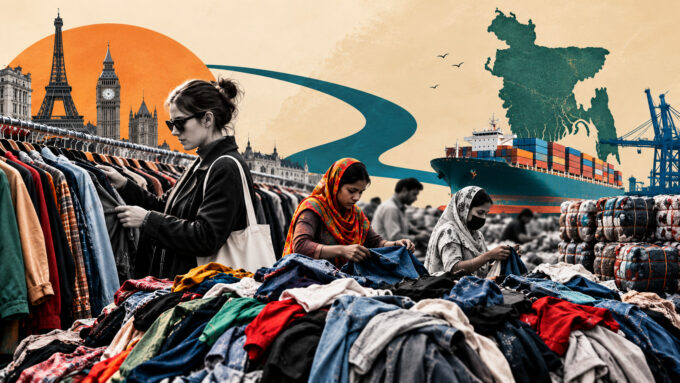
The RMG sector faces a similar test. Bangladesh has maintained its position as the world’s second‑largest apparel exporter with 6.9 percent of world apparel trade. Global brands and regulators are now demanding more transparent and resource‑efficient supply chains. Startups are responding with ideas in waste recycling, circular product design, supply chain optimisation, and cleaner production, but their impact depends on whether they can meet compliance standards and integrate into existing sourcing and logistics systems.
In this context, strengthening market systems through entrepreneurship is not a side issue; it is core to Bangladesh’s long‑term growth story.
Strengthening rural markets through agri‑startups
Agriculture remains one of Bangladesh’s largest employers and a critical source of income, especially in rural areas, but many farmers still face low prices, climate stress, and weak access to formal markets. Agri‑startups supported by Orange Corners Bangladesh (OCB) show how targeted support can start to unlock this system.
Among many Orange Corners Bangladesh incubated agricultural enterprises, Countree Agro and DRIP Irrigation are examples of how incubation can truly catalyse the industry. Countree Agro reported harvesting 1,600 kilograms of crops with its network, enrlling and training 35 farmers and converting 10 bighas of land to climate-smart agricultural practices and selling about 1,050 kilograms of produce to both business and individual customers. DRIP Irrigation designed solar powered drip irrigation systems using recycled plastic to help farmers use water more efficiently and cope with changing weather conditions. For each of these entities, OCB provided capacity building and mentorship on business planning, business model refining, financial planning and forward market linkages.
Garments, waste, and the circular economy
Bangladesh’s RMG sector is a global success story, constantly placing second behind China in terms of global exports. That success brings new pressure to improve sustainability, manage waste more responsibly, and demonstrate traceability from factory floor to retail shelf.
OCB has intentionally backs startups that can support this shift. BD Recycle Technologies, part of OCB’s first cohort, works in waste management and recycling, turning discarded materials into new inputs and products. In 2025, OCB’s Ideation Challenge recognised “Denim Revive” for transforming denim waste into footwear and home décor items; the team then joined the fifth incubation cohort to further develop its business and have since graduated successfully and joined the post-incubation phase.
Orange Corners Bangladesh as a market‑systems builder
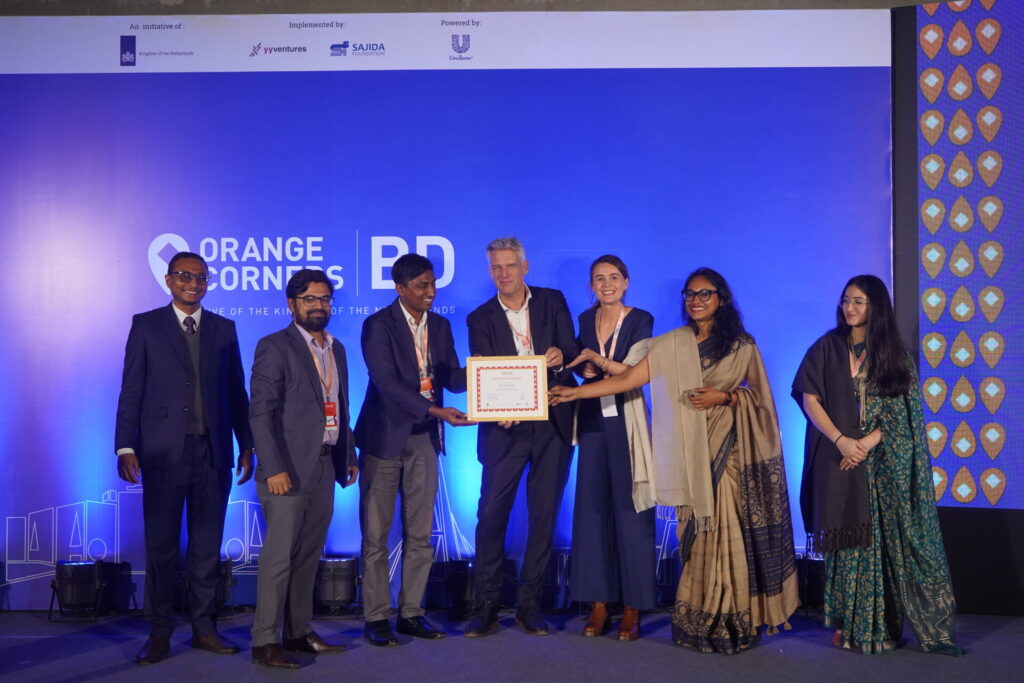
Orange Corners Bangladesh, an initiative of the Ministry of Foreign Affairs of the Kingdom of the Netherlands, is implemented by YY Ventures with SAJIDA Foundation and supported by Unilever Bangladesh Limited. The programme follows a three‑phase model: promoting entrepreneurship to spark entrepreneurial thinking, incubation to build core business capacity, and post‑incubation to support growth and access to finance. The aim is to ensure support does not end with inspiration or a short training course. OCB, across its first seven cohorts has supported 100+ enterprises from diverse backgrounds primarily alligned with national development priorities and the SDGs. Selected enterprises have received intensive practical training on various aspects of business along with one-to-one coaching and expert-led mentorship.
The impact is clear- organisations have demonstrated stronger internal governance, financial discipline and been readied for institutional due dilligence. So far, enterprises incubated have created 400+ jobs and have turned into ‘market multipiler’- growing their own operations and inspiring other organisations to become formal links in the supply chain.
Private sector engagement: beyond CSR
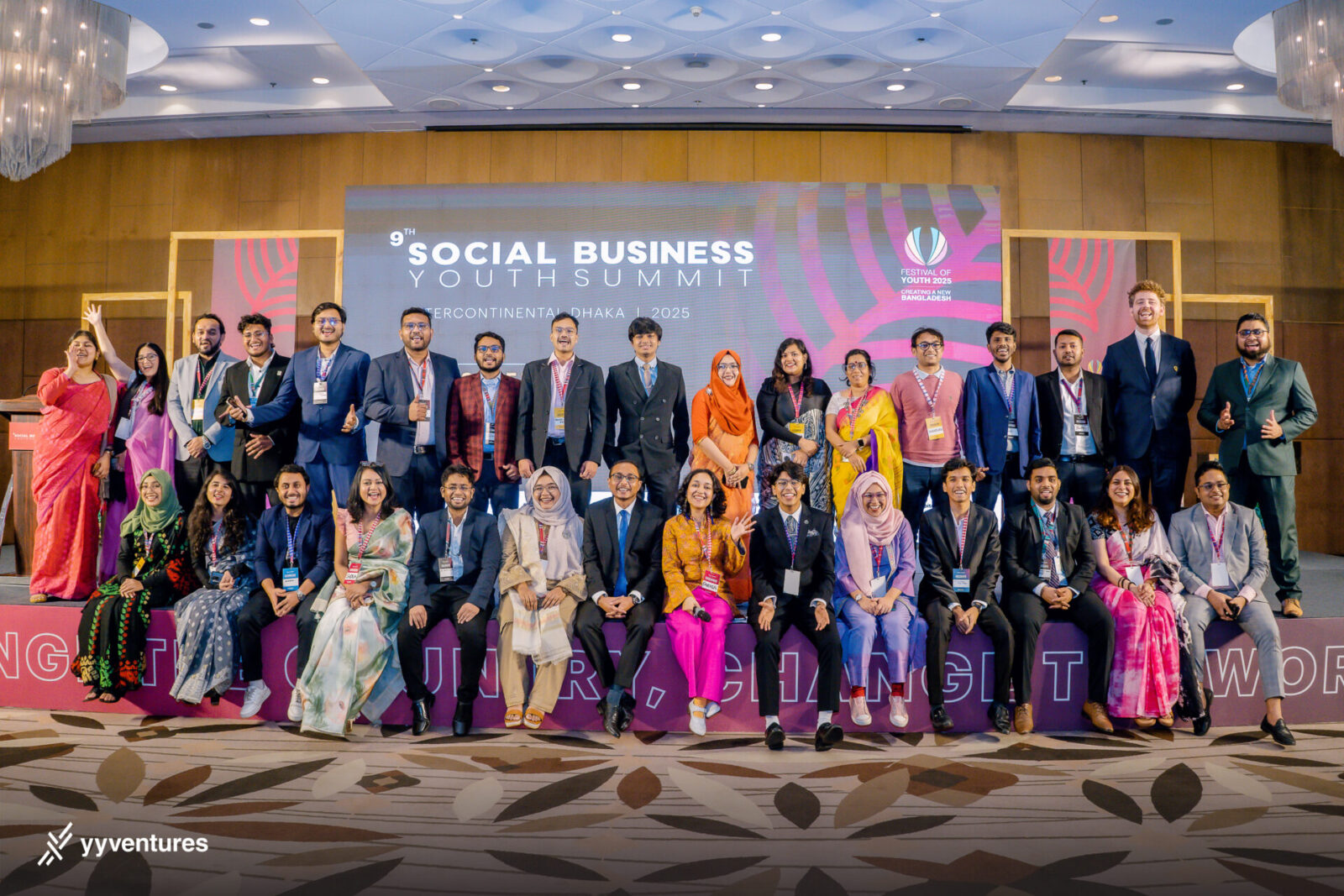
Strong market systems need active participation from big companies, not just development funding. OCB places private sector engagement at the centre of its model. Corporate partners share financing, mentoring, market intelligence, and visibility. Unilever Bangladesh Limited has been a key example: its representatives have served as judges and speakers at OCB events, taken part in ecosystem roundtables, and co‑hosted a 2025 event that combined masterclasses on marketing and supply chain with an alumni showcase for entrepreneurs.
This goes well beyond conventional CSR. When a company like Unilever shares valuable insights to early enterprises, it creates stronger bridges between small enterprises and large corporates. For young founders, understanding how a large company evaluates suppliers or partners can be the difference between remaining on the sidelines and breaking into mainstream value chains.
Why this is a “silent revolution”
None of these transformations make breaking news. Yet modest improvements in how early-stage enterprises engage with large corporates begin showing up quietly and this is the space OCB likes to be in; building resilient systems with both large corporates and early-stage enterprises to have a larger effect on jobs, incomes and the overall ecosystem.
For more updates, be with Markedium.

















Leave a comment