

























A new mother is expected to be happy. She is expected to know what she is doing, take care of her baby, recover from childbirth and somehow make it all look easy. What happens when she cannot? Baby Dove’s 2022 campaign “Under Pressure” asks that question by showing a side of motherhood that advertising often leaves out. The campaign came from a problem supported by research. Baby Dove found that seven in 10 mothers experience postpartum pressure, while earlier research on parenting found that 89% of mothers felt pressure to be a perfect parent and 58% felt overwhelmed by the amount of parenting information and advice around them. Another 53% said they sometimes felt unable to cope. The numbers point to a clear tension: mothers are being given more advice about how to parent while also feeling more pressure to get it right.
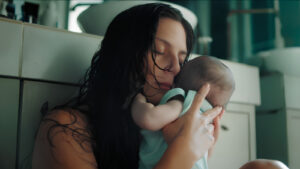
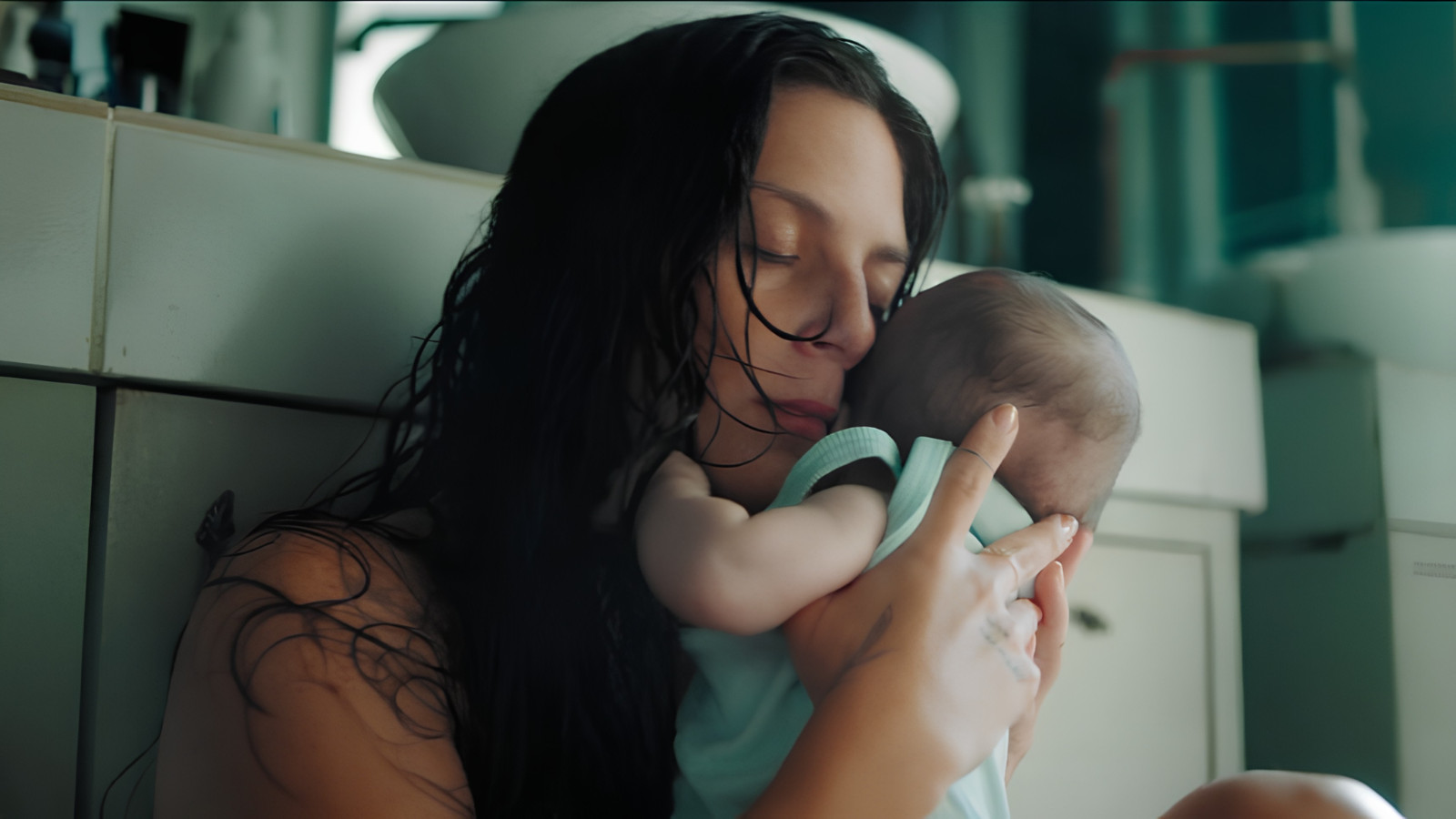
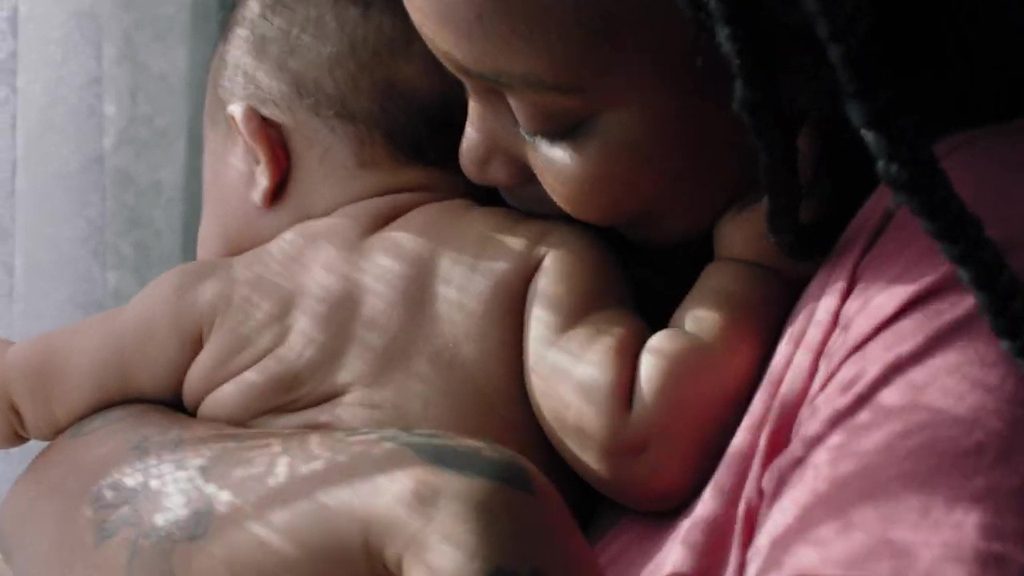
Created by Dark Kitchen Creatives, “Under Pressure” turns that tension into a 60-second film. Instead of showing the familiar images of smiling mothers, peaceful babies and perfectly organised homes, the campaign focuses on the difficult moments of early motherhood. Mothers deal with exhaustion, feeding challenges, changes to their bodies and the emotional weight of adjusting to a completely different life. The film does not quickly turn these moments into a happy ending. It allows them to feel uncomfortable and real.
The soundtrack makes that message even stronger. The film uses a softer version of Queen and David Bowie’s 1981 song “Under Pressure,” performed by Claudia Gomes. The choice is more than a clever use of a famous song. The pressure described in the lyrics becomes the pressure experienced by the women on screen, making the music part of the campaign’s central idea. The campaign also connected the emotional pressure of motherhood with a bigger mental-health issue. Baby Dove worked with Postpartum Support International, an organisation focused on awareness, prevention and treatment of maternal mental-health conditions. The campaign encouraged mothers to share #OneRealPressure, giving women a simple way to talk about something they had personally found difficult during their postpartum journey.
That conversation has become even more relevant as social media continues to shape expectations around motherhood. Baby Dove’s more recent research, conducted with the UNC School of Medicine’s 4th Trimester Project, found that 85% of first-time mothers said the first year of postpartum motherhood was nothing like what they saw on social media because those images made parenting look easy. Another 59% said society did not give them enough space to talk about how difficult that first year could be. Even more revealing, 63% of mothers said they had posted content about motherhood where they looked happy even when they did not feel that way. Mothers see carefully edited versions of other people’s experiences, compare themselves with them and feel that they are falling short. They then present their own polished version online, giving another mother the impression that everyone else is coping better. “Under Pressure” breaks that cycle by doing the opposite. It puts the difficult moments on screen and asks mothers to talk about them instead of hiding them.
The campaign’s audience response suggests that this honesty worked. iSpot’s Creative Assessment tested the ad with at least 500 unique U.S. viewers and found that women viewed the campaign as Empowering while avoiding strong feelings that it was exploitative. Women aged 21–35 were particularly positive, and 56% of female viewers reported positive intent toward Dove after watching the 60-second version. The campaign also ranked its inspiring message as the single best thing about the ad.
That response matters because discussing postpartum mental health in advertising carries a risk. A brand can easily appear to be using someone’s pain to sell a product. Baby Dove reduced that risk by connecting the campaign to research, lived experiences and an organisation that could provide support. The brand was not presenting itself as the solution to postpartum depression. It was helping bring attention to a problem and directing mothers toward people who could help. This also fits Dove’s wider approach to advertising. From Real Beauty to its work around self-esteem and body confidence, the brand has repeatedly built campaigns around the gap between how women are expected to look or behave and what they actually experience. “Under Pressure” applies that same strategy to motherhood.
Baby Dove could have shown another perfect Mother’s Day. Instead, it showed the exhaustion behind the smiles, the uncertainty behind the advice and the emotions behind the carefully edited social-media posts. The campaign did not try to make motherhood look easier. It made it easier for mothers to admit when it isn’t.
Watch the full campaign here.
Want to stay updated on the latest campaigns and creative ideas? Follow Markedium Campaigns for more.
Have a campaign you think deserves a closer look? Submit it to us here.










Leave a comment