






























Usually, when a company enters a new market, it tries to promote its product directly. But when Nestlé wanted to expand coffee consumption in Japan, it faced a much deeper challenge. Japan already had a centuries-old tea culture. Selling coffee was not simply a matter of convincing consumers to choose one beverage over another; it meant introducing a new habit into a market where another drink was deeply embedded in everyday life.
Nestlé therefore took a different approach. Rather than focusing only on selling more coffee immediately, it gradually worked to make the taste and experience of coffee more familiar to Japanese consumers. The strategy would eventually become a widely cited example of long-term consumer behavior marketing.
In Japan, green tea, or ocha, is more than just a drink. It is closely connected to Japanese identity, from Zen philosophy and the traditional tea ceremony to the everyday rituals of preparing and serving tea. For generations, tea had occupied a cultural and emotional space that coffee simply did not have.

By the 1970s, however, Japan was experiencing rapid economic growth. Cities such as Tokyo and Osaka were expanding, consumer spending was increasing, and the country had become an increasingly attractive market for multinational companies. Nestlé saw an opportunity and pushed its flagship coffee brand, Nescafé, in the Japanese market. But gaining widespread adoption proved difficult.
Nestlé initially relied on familiar marketing approaches, including advertising, promotions, and consumer research. Focus-group participants reportedly responded positively to the taste of coffee, but what consumers said and what they actually bought were two different things. Once the product reached shelves, demand did not match expectations. For many consumers, coffee remained a foreign and unfamiliar drink, and conventional advertising alone was not enough to change an established cultural habit.

Nestlé eventually consulted French marketing researcher and psychoanalyst Clotaire Rapaille, whose work focused on the subconscious associations consumers form with products. Rapaille argued that purchasing decisions are often shaped by emotional associations rather than purely rational considerations. His central observation in Japan was simple: coffee had little emotional imprint on Japanese consumers.
Japanese consumers have grown up with tea. Its taste, smell, and preparation were connected to childhood, family, and culture. Coffee had no comparable set of associations. Asking consumers to suddenly adopt it meant competing not only with another beverage but also with years of accumulated familiarity.
That insight changed the strategy.
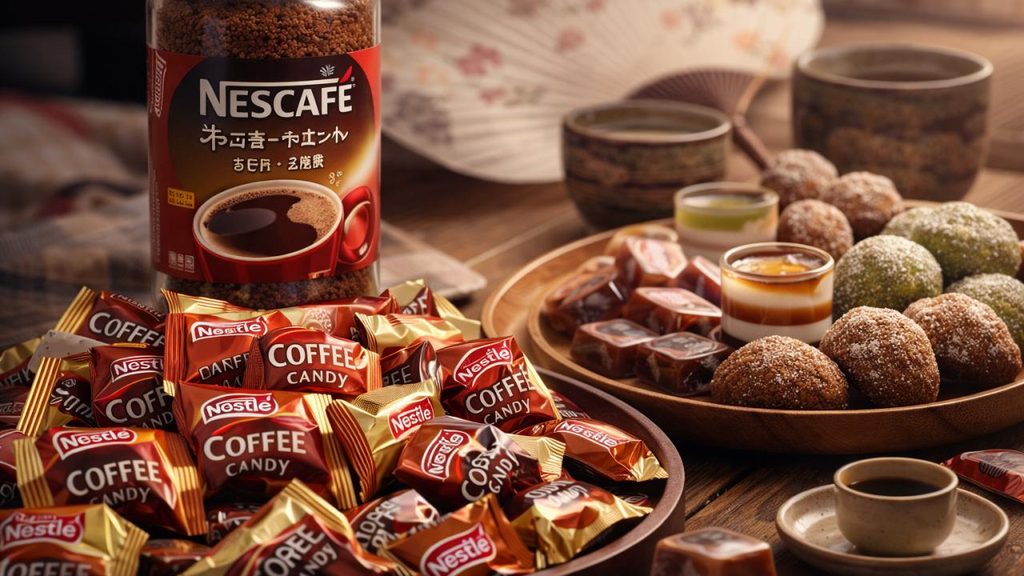
Instead of relying solely on conventional coffee advertising, Nestlé began introducing younger consumers to the flavor of coffee through sweeter, more approachable products such as coffee-flavored candies and desserts. The objective was not necessarily to turn children into coffee drinkers immediately. It was to make the flavor itself familiar.
Instead of encountering coffee for the first time as a bitter adult beverage, younger consumers could experience it through something sweet and accessible. Over time, the theory was that coffee would stop feeling entirely foreign. Nestlé was effectively trying to create the familiarity that tea already enjoyed naturally.
But building familiarity with coffee was only part of the challenge. Nestlé also needed to make coffee easier to incorporate into everyday adult life.
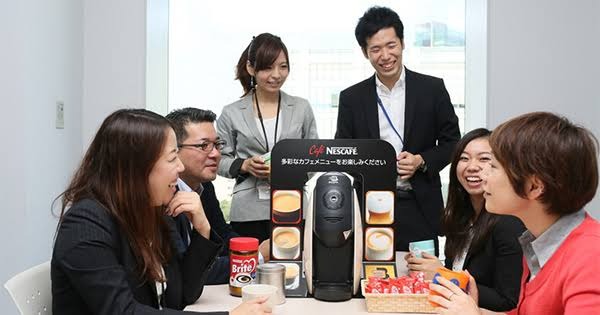
Decades later, that approach evolved further through initiatives such as the Nescafé Ambassador programme, which placed coffee machines in workplaces across Japan. Instead of asking consumers to seek out coffee, Nestlé brought the drinking experience directly into offices and made it part of the working day.

The program produced significant results. By 2014, the Nescafé Ambassador initiative had attracted more than 120,000 ambassadors, helping Nestlé establish a large workplace coffee network across Japan.
Nescafé’s broader global position also became formidable. In 2019, Nescafé ranked third in Euromonitor International’s Top 100 Megabrands, with Japan identified as one of its leading markets for hot-drink sales. Japan had evolved from a market where coffee struggled against deeply established tea-drinking habits into an important part of Nescafé’s global business.
The lesson from Nestlé’s experience is not that advertising does not work. It is that advertising alone cannot always overcome deeply rooted consumer behavior.
Sometimes a company has to build familiarity before it can build demand.
That is what makes the Nescafé story particularly interesting. Nestlé was not simply marketing a different beverage. It was attempting to create the cultural and emotional familiarity that its competitor—tea—had accumulated over generations. Coffee-flavored products could introduce the taste; workplace machines could eventually turn drinking coffee into an everyday habit.
The strategy required something modern marketing rarely celebrates: patience.
Instead of asking only, “How do we sell more coffee today?” Nestlé effectively confronted a much bigger question: “How do we make coffee feel familiar enough that people will want it tomorrow?”
In markets shaped by deeply established habits, that distinction can make all the difference.
Want to stay updated on the latest campaigns and creative ideas? Follow Markedium Campaigns for more.
Have a campaign you think deserves a closer look? Submit it to us here.

















Leave a comment