




























Menstruation is natural, but the way it is discussed in Bangladesh often remains anything but. It is wrapped in euphemisms, restrictions, inherited advice, and, sometimes, complete silence. Joya Sanitary Napkin’s latest campaign, ‘Tena Pechano Bad Din,’ takes that contradiction head-on.
Rather than simply repeating that periods are normal, Joya questions why society continues to make them feel abnormal.
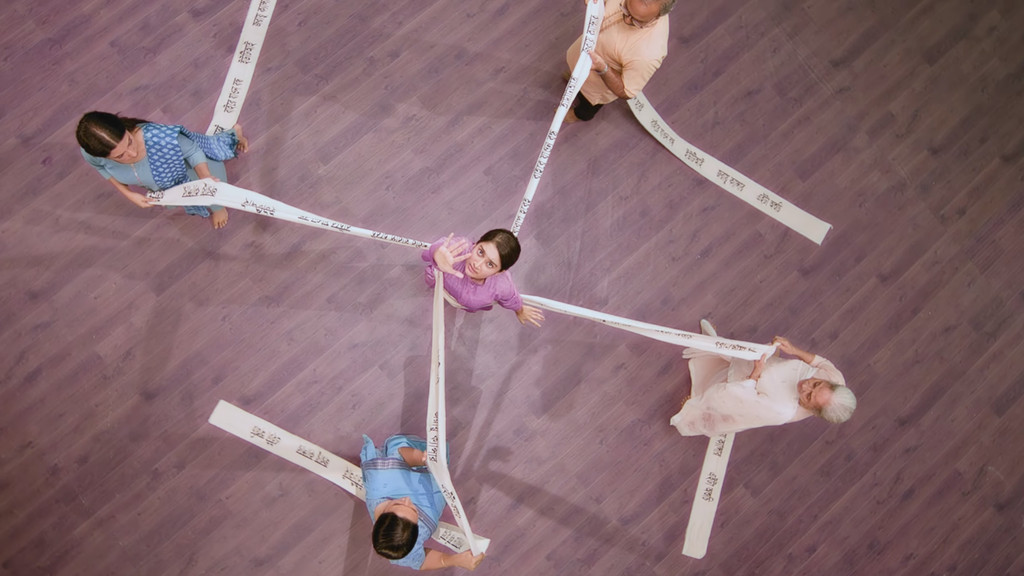
The campaign begins in a familiar emotional space: fear, isolation, and shame. A girl finds herself surrounded by the expectations attached to menstruation, what she should avoid, where she should not go, and what she should not talk about. The discomfort feels less like an individual choice and more like something passed down through generations.
That becomes the campaign’s strongest creative insight. The problem is not the period; it is everything society has wrapped around it.
The title, which roughly translates to “stop wrapping things up,” works as both a cultural observation and a creative device. Periods are often discussed indirectly, disguised behind euphemisms or surrounded by advice rooted more in tradition than fact. Joya turns that behavior into the campaign’s central antagonist.
The Question That Breaks the Silence
The recurring “Keno?” or “why?” gives the film its emotional momentum.
Why should having a period mean missing school or stepping back from everyday life? Why should a natural biological process invite shame? And why should girls be given restrictions and misinformation instead of openness, care, and proper hygiene?
Read more: Furlenco Launches ‘Drop Dead. Gorgeous’ Celebrating Women’s Unwinding Ritual
As the questions accumulate, they begin to feel bigger than one character. The girl’s resistance becomes representative of women who have grown up accepting these rules without being encouraged to challenge them.
That is where the campaign moves beyond conventional menstrual-hygiene advertising. It is not merely asking audiences to accept periods as natural. It is asking them to change the conversation around periods.
When the Visuals Become Too Loud
Conceptually, the campaign is stronger than some of its execution.
The early scenes use fear and isolation effectively because the emotions feel grounded and recognizable. But when the protagonist reaches her moment of rebellion, the visual treatment becomes more exaggerated. The physical act of breaking through the barriers around her communicates the metaphor but feels somewhat staged.
A quieter visual language could arguably have made the rebellion more powerful. The social barriers being challenged are already emotionally potent; they do not necessarily need to be represented so literally.
More Than a Product Message
Ultimately, Joya is selling more than a sanitary napkin. The campaign connects menstrual hygiene with the ability to live, study, and work without unnecessary disruption—and connects that with the need for honest conversations.
Its most interesting proposition is simple: stop making periods complicated. Stop hiding them behind euphemisms, shame, and misdirected advice. Talk about them openly.
That makes Tena Pechano Bad Din less a campaign about menstruation itself and more a campaign about the culture surrounding it.
And perhaps that is why its simplest word carries the most weight: Keno?
Watch the full campaign here:
For more updates, follow Markedium Campaigns
If you want us to take a look at one of your campaigns, click here to submit













Leave a comment