




















What if the trucks travelling across Pakistan could help bring missing children home? Every year, more than 3,000 children go missing in Pakistan, and finding them can become increasingly difficult once they are moved to different parts of the country. Traditional media often struggles to reach remote areas, while missing-child posters can easily become part of the background. In 2019, Berger Paints found an unlikely way to make those faces harder to miss: Pakistan’s famous truck art. With BBDO Pakistan and Impact BBDO, conceptual artist and anthropologist Samar Minallah Khan, and Roshni Helpline, Berger turned one of the country’s most recognisable cultural traditions into a moving search network.
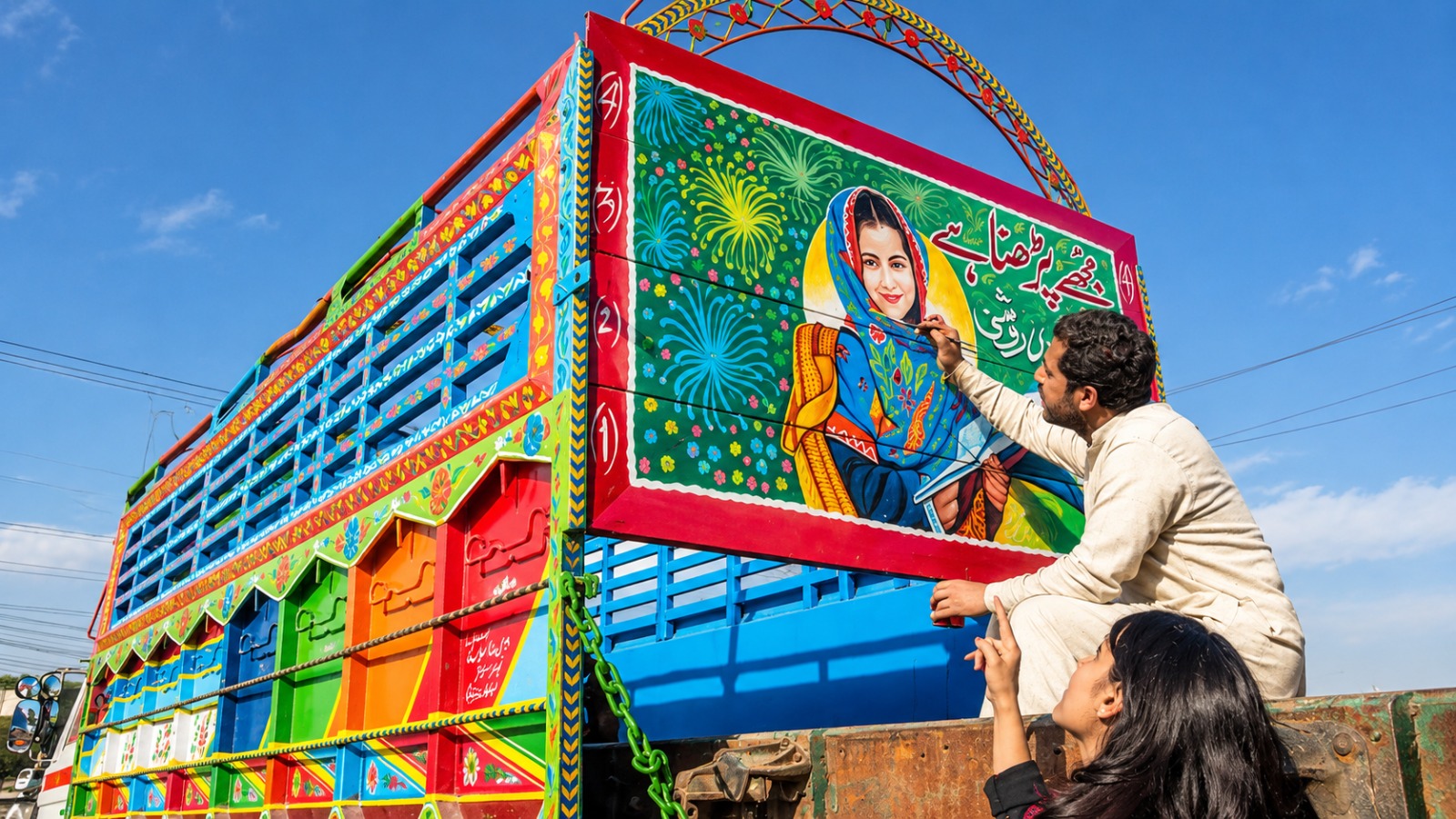
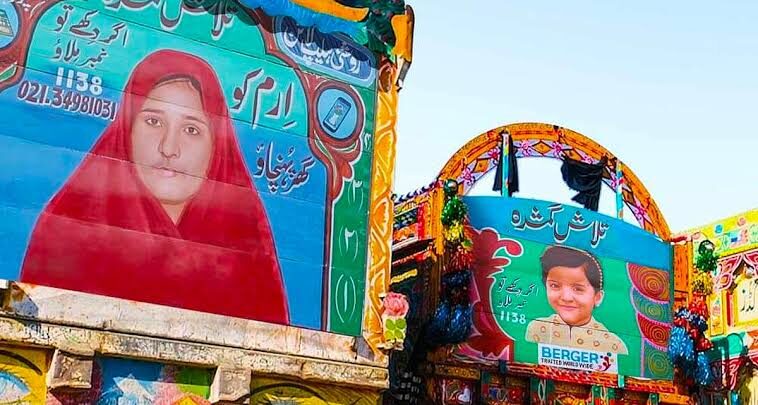
Truck art is everywhere in Pakistan. Commercial trucks are traditionally decorated with bright colours, intricate patterns, poetry, calligraphy and portraits of famous personalities, from actors and athletes to politicians and military figures. Berger and its partners asked a simple question: what if those portraits were of people who actually needed to be recognised? For “Truck Art Childfinder,” local truck artists replaced the usual celebrity portraits with hand-painted portraits of missing children. Their names and relevant details were displayed alongside the Roshni Helpline 1138, giving anyone who recognised a child a direct way to report it.
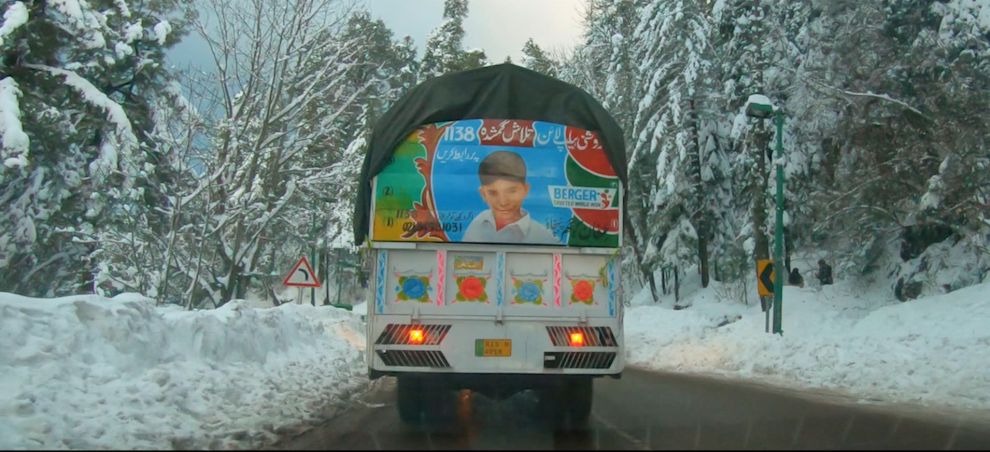
The trucks made the idea work in a way traditional media could not. These were not static billboards placed in major cities. They were already travelling across Pakistan, including areas where television, newspapers and digital media had limited reach. Berger supplied the paint, while truck artists recreated the children’s last available photographs in the traditional truck-art style. The first phase began with 20 trucks, with routes selected to take the portraits across both urban and rural areas, starting from the locations where the children had gone missing. The trucks effectively became mobile missing-person posters that could travel thousands of kilometres.
The response started coming in almost as soon as the trucks hit the roads. Within the first week, the helpline received 313 calls from across Pakistan, and Berger’s own 2019 annual report recorded that four children had already been reunited with their families at that stage. As the campaign continued, the initial fleet generated 1,015 calls, including 104 solid leads that helped reunite seven missing children with their families. Later campaign reporting put the impact even higher, with more than 5,300 calls from 39 cities and eight children recovered and reunited with their parents. The trucks eventually travelled more than 50,000 kilometres across the country.
The campaign also gave Berger Paints a role that felt natural rather than forced. The brand was not simply attaching its name to a social cause. Its own product, paint, was being used to create the portraits that could help identify missing children. At the same time, the campaign gave Roshni Helpline something it needed: a way to take missing-child information beyond the places traditional media could easily reach. That combination made the partnership feel useful on both sides.

There was also something emotionally powerful about changing the faces normally seen on these trucks. A celebrity portrait is designed to catch attention. A missing child’s face asks something different from the person looking at it. Suddenly, a familiar cultural object became a reminder that somewhere, a family was still searching. The campaign did not need to teach people a new behaviour. It simply placed an important message inside something they already knew and noticed.
The idea went on to receive major international recognition, including four Cannes Lions, alongside awards from D&AD, Clio, Dubai Lynx and other global advertising shows. It also won Gold at the 2020 Effie Pakistan Awards in the Positive Change: Social Good category.
What makes “Truck Art Childfinder” stand out is that its innovation came from understanding the environment rather than adding more technology to it. Berger did not need to build a new platform, create another app or compete for attention on social media. It looked at something uniquely Pakistani that was already travelling through the country and asked how it could serve a bigger purpose. The trucks were already moving. The paint was already there. The culture was already there. Berger simply gave them a new job.
Sometimes, the best media idea is not about creating a new medium. It is about looking at something people already see every day and giving them a reason to look again.
Watch the full campaign here.
Want to stay updated on the latest campaigns and creative ideas? Follow Markedium Campaigns for more.
Have a campaign you think deserves a closer look? Submit it to us here.






Leave a comment