






























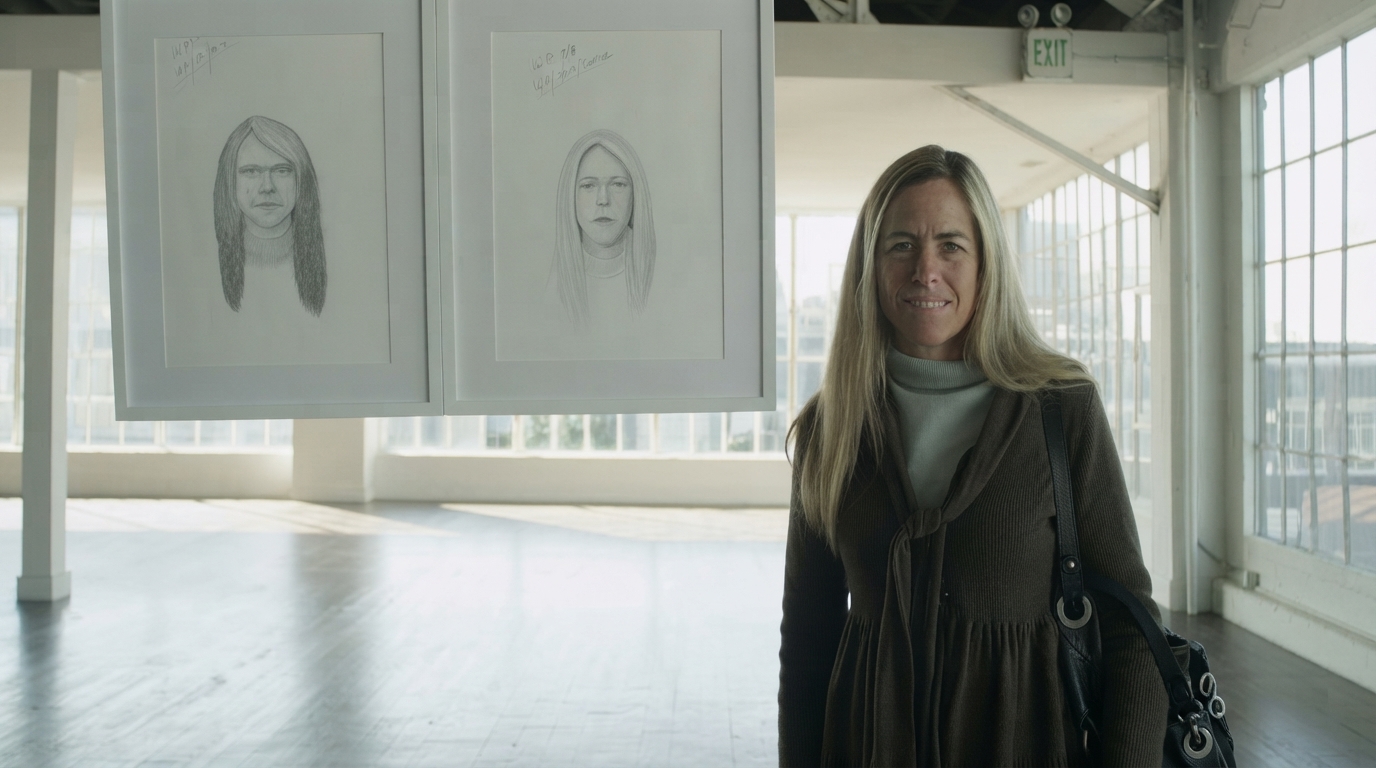
What if the face you see in the mirror is not the face everyone else sees? In 2013, Dove decided to find out. It brought women into a room, asked them to describe their own faces to a forensic artist they could not see, and then asked strangers to describe those same women. The artist, Gil Zamora, drew two sketches of each woman without ever seeing her. When the women finally saw the portraits side by side, the difference was difficult to ignore. The sketches based on their own descriptions were usually harsher, while the ones based on strangers’ descriptions were softer and more flattering. Dove turned that simple experiment into one of the most talked-about beauty campaigns of the decade with one message: “You are more beautiful than you think.”

The idea came from a problem Dove had been talking about for years. Its research suggested that only 4% of women around the world considered themselves beautiful, while more than half said they were their own worst beauty critics. Instead of showing another group of women being transformed with makeup, lighting or a beauty product, Dove decided to focus on how women saw themselves. The women were asked to describe details they were insecure about, from the shape of their face to their hair and other features they felt made them less attractive. A stranger who had only briefly met the same woman often described her very differently. Features the women saw as flaws were sometimes barely noticed by someone else. The result was not a before-and-after makeover. It was a before-and-after look at self-perception.
The absence of a traditional product pitch made the film stand out from a typical beauty advertisement. There was no product demonstration and almost no traditional selling. The brand stayed in the background while the women became the story. When they were shown their two sketches, many were visibly emotional as they realised how differently they had described themselves. One woman reflected that the way she saw herself had affected choices in her life, including the jobs she applied for and the way she interacted with others. The campaign was ultimately saying something bigger than “you look good.” It was asking women to consider how much of their own beauty they might be missing because they are too focused on the things they do not like.

But what made people talk about the campaign was not only the emotional reaction. It also opened up a debate about what “real beauty” actually means. Some critics pointed out that the women featured were still largely conventionally attractive and that the campaign did not fully represent the range of women it claimed to speak for. Others questioned the use of the term “social experiment”, arguing that the process was created for an advertisement rather than a scientific study. Those criticisms are worth noting because the campaign was designed to make a powerful point, not to prove a scientific theory about every woman’s perception of herself.
Dove did not tell women they were beautiful and expected them to believe it. It showed them two versions of the same face and let them notice the difference themselves. That is what made the campaign so easy to understand and so difficult to forget. Dove did not need to put a bottle of soap in the middle of the story. It made the brand stand for a bigger idea: beauty should create confidence, not make people constantly search for something wrong with themselves. The most powerful part was this: the campaign did not change the women’s faces. It changed the way they looked at them.
Want to stay updated on the latest campaigns and creative ideas? Follow Markedium Campaigns for more.
Have a campaign you think deserves a closer look? Submit it to us here.















Leave a comment