


























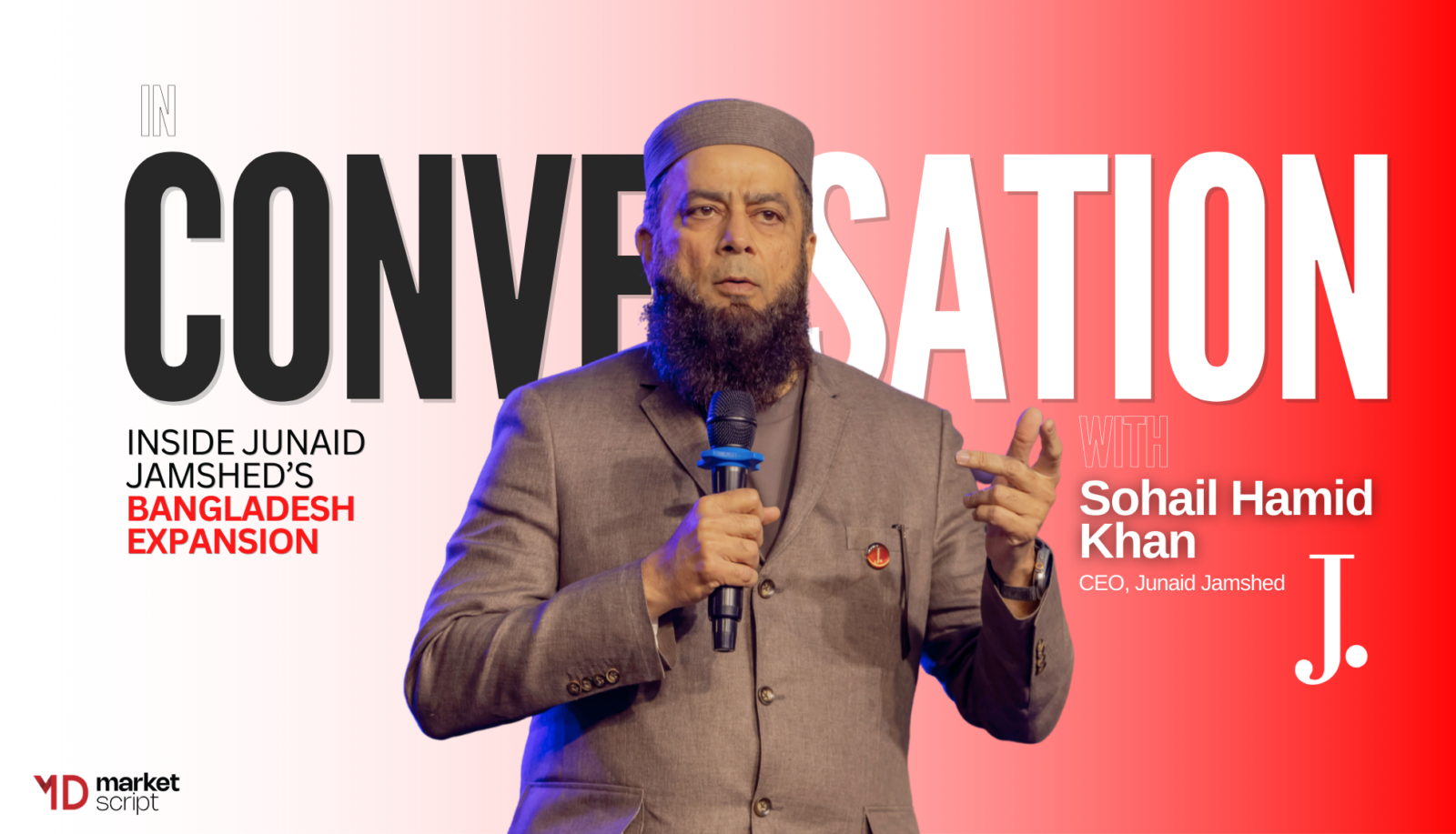
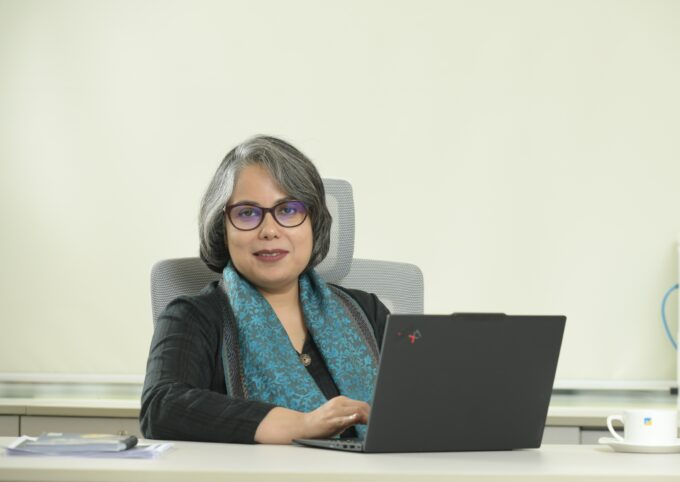
In a recent conversation with Mr. Sohail Hamid Khan, CEO of Junaid Jamshed (J.), Markedium sought to understand the brand’s vision, market entry rationale, expansion route, go-to-market strategy, similarities and differences between Bangladesh and Pakistan, and the broader market opportunity in Bangladesh.
Below is a summarized version of the interview.
Markedium: J. has built a strong footprint across Pakistan and international markets. Why was Bangladesh selected as the next strategic destination, and what factors made this expansion timely from a business and brand perspective?
Sohail Hamid Khan: Bangladesh represents one of South Asia’s most dynamic consumer markets, driven by a growing middle class, strong cultural identity, and increasing appetite for structured retail. From a strategic standpoint, the timing aligns with our regional expansion roadmap and the brand’s maturity to scale into markets that share cultural affinities while offering new growth headroom.
Markedium: Could you walk us through your Bangladesh expansion model physical retail, partnerships, supply chain localization, or digital touchpoints and how it differs from your previous international rollouts?
Sohail Hamid Khan: Our entry model combines flagship physical retail with a strong digital presence, supported by localized supply chain partnerships to ensure agility and efficiency. While our core brand DNA remains consistent, the Bangladesh rollout emphasizes faster consumer feedback loops and omni- channel integration compared to earlier international expansions.
Markedium: How do you read the Bangladeshi fashion consumer in terms of taste, price sensitivity, lifestyle aspirations, and cultural influence? What insights stood out most during your market assessment?
Sohail Hamid Khan: The Bangladeshi consumer is culturally rooted yet globally aware. There is a strong appreciation for modest fashion, craftsmanship, and value-driven purchasing, balanced with rising lifestyle aspirations. One key insight was the demand for quality and authenticity at accessible price points.
Markedium: What specific gap in the Bangladeshi fashion and lifestyle market does J. aim to fill? In simple terms, why should a Bangladeshi consumer choose J. over existing local and international brands?
Sohail Hamid Khan: We see a gap in the organized modest lifestyle segment that integrates fashion, fragrance, and accessories under one cohesive brand. J. offers a complete lifestyle ecosystem built on quality, affordability, and cultural relevance, providing a consistent retail experience that blends tradition with contemporary design.
Markedium: From a fashion, retail, and consumer behavior standpoint, where do you see the strongest similarities between the Bangladeshi and Pakistani markets and where do they fundamentally diverge?
Sohail Hamid Khan: Both markets share strong cultural foundations and festive-driven purchasing behaviour. However, Bangladesh has its own textile heritage, climate considerations, and distinct aesthetic preferences. Understanding these nuances allows us to respect similarities while tailoring execution thoughtfully.
Markedium:J. is widely known for its values-driven, Islamic-inspired branding and marketing approach. Will this philosophy remain consistent in Bangladesh, or do you anticipate adapting it to local cultural nuances?
Sohail Hamid Khan: Our value-driven philosophy remains central to the brand. However, we approach every market with cultural sensitivity. The core principles of modesty, integrity, and family orientation will remain intact, while communication styles may adapt to reflect local narratives.
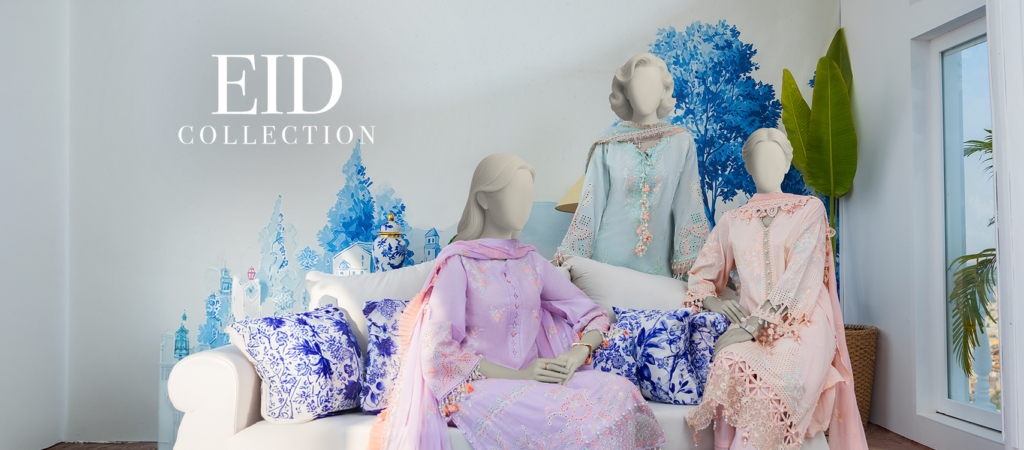
Image source: J. Junaid Jamshed – Bangladesh Facebook Page
Markedium: To what extent will J.’s collections in Bangladesh be localized—whether in fabric choice, silhouettes, pricing tiers, or seasonal relevance versus maintaining a unified global design language?
Sohail Hamid Khan: We intend to maintain a unified global design language while adapting fabric weights, seasonal collections, and pricing tiers to local preferences. Localization will be strategic rather than cosmetic ensuring relevance without diluting brand identity.
Read more: The New Front of Modern Warfare: Why Data Centers Are the Latest Targets in the Middle East
Markedium: Where do you see J. Bangladesh in the next five years—in terms of store footprint, category expansion, brand equity, and contribution to the local fashion ecosystem?
Sohail Hamid Khan: Over the next five years, we aim to establish a strong retail footprint in key metropolitan cities, expand into multiple adjacent product categories, and build a brand that is trusted for both quality and consistency. Alongside this, we are keen on leveraging the e-commerce landscape in Bangladesh and look to establish a strong online sales channel to reach consumers beyond the metropolitan areas. All in all, we see Bangladesh becoming a meaningful contributor to our regional growth story.
Markedium: Beyond consumers, what opportunities does J.’s entry create for local stakeholders such as suppliers, artisans, talent, and the broader retail ecosystem in Bangladesh?
Sohail Hamid Khan: Our entry creates opportunities for collaboration with local suppliers, retail professionals, and creative talent. We aim to contribute positively to the ecosystem by fostering employment, knowledge exchange, and long-term partnerships that strengthen the broader retail infrastructure.
Markedium: As J. begins its journey in Bangladesh, what promise are you making to Bangladeshi customers and business partners, and how should they define success for J. in this market?
Sohail Hamid Khan: Our promise is simple: consistency, quality, and respect for culture. Success for us will not only be measured in store count or revenue, but in the trust we build with customers and partners over time.
This interview was first published in Market Script Issue 5, where we delved deep into the ‘Capital Market’ of Bangladesh.
For more updates, be with Markedium.











Leave a comment