






























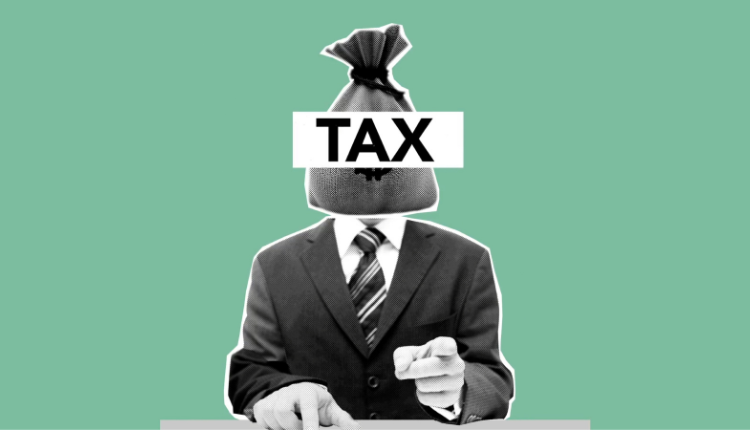
Bangladesh’s direct tax expenditure, which includes subsidies such as rebates, exemptions, and reduced rates, declined by 8 percent year-on-year to Tk 1.15 lakh crore in fiscal year 2021-22. The tax expenditure accounted for 2.9 percent of the country’s gross domestic product (GDP), a notable reduction from the previous year stated in a report.
Efforts to rationalise tax expenditures have been proposed, including limiting benefits for hi-tech parks, revising capital gain taxes, and phasing out ineffective tax breaks. The implementation of enhanced monitoring and reporting mechanisms is also being considered to further reduce tax expenditure.
Corporate income tax made up the largest share, contributing 62 percent of the total direct tax expenditure, while personal income tax accounted for 38 percent. Tax benefits to key economic sectors, such as microcredit, power, and garments, amounted to Tk 71,394 crore during the year.
Read more: Unemployment Rises By 1.7 Lakh In One Year, BBS
Among the 13 sectors receiving tax subsidies, seven sectors alone accounted for nearly half of the total tax expenditure. The largest tax subsidies were given on capital gains, followed by microcredit, social welfare, and the power and energy sector.
In personal income tax, remittance earners received the highest exemptions, with salaried individuals and poultry and fisheries farmers also benefiting significantly.
The tax expenditure initiative aims to enhance fiscal transparency and strengthen policy design, contributing to better tax administration and more effective resource allocation. Reducing excessive tax subsidies while aligning them with the country’s economic needs is critical to ensuring sustainable revenue generation.
This effort reflects the ongoing reforms in tax administration, which are crucial for achieving Bangladesh’s tax-to-GDP ratio targets and supporting both operational and developmental government expenditures. It also aligns with broader economic strategies to promote industrialisation, job creation, and economic stability.
For more updates, be with Markedium.
















Leave a comment