

























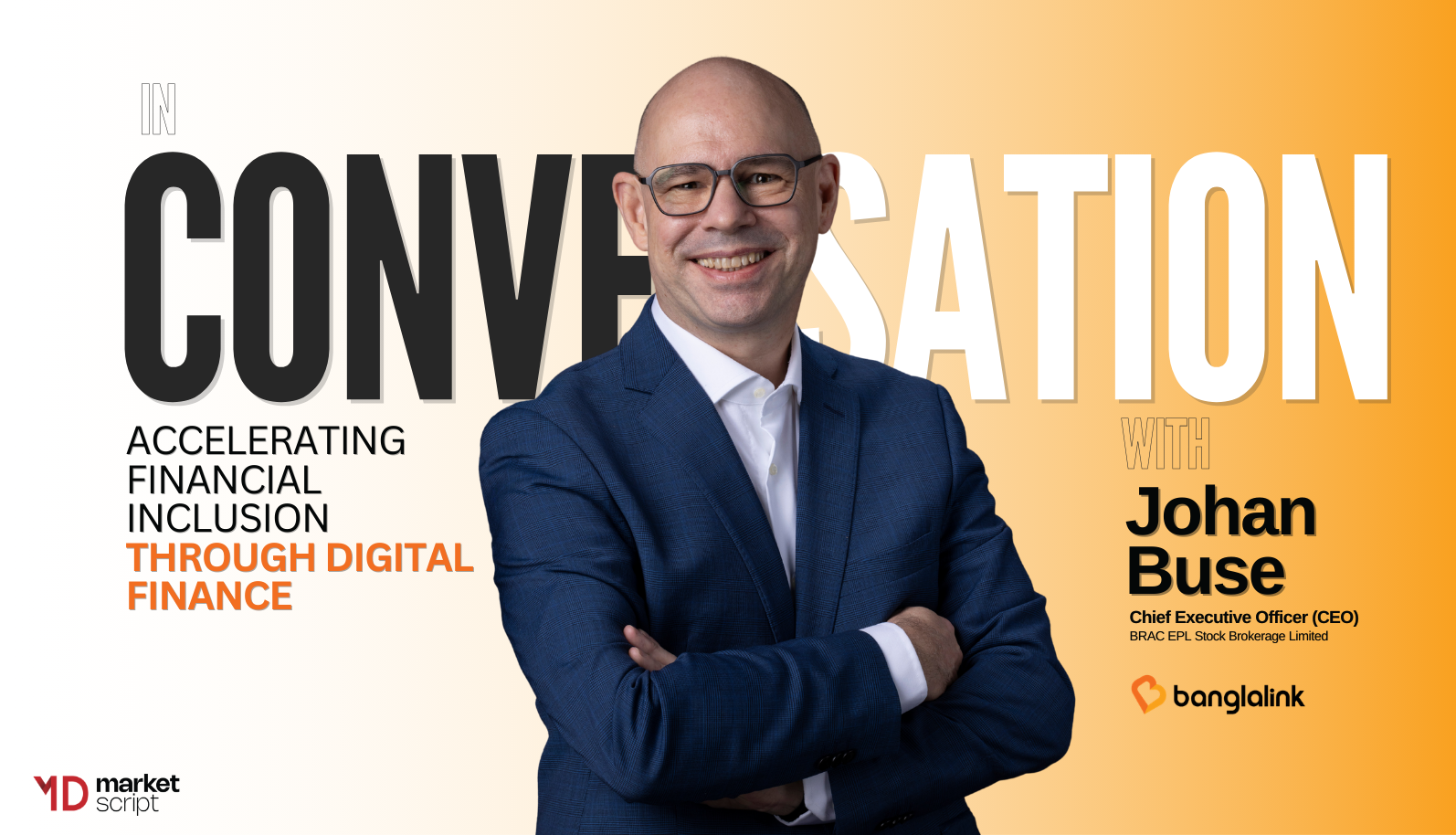
In a country where digital connectivity has already transformed daily life, the next frontier is far more ambitious: turning access into true financial empowerment. In this exclusive interview, Johan Buse, Chief Executive Officer of Banglalink, shares how Bangladesh can accelerate financial inclusion through digital financial services.
Drawing from VEON’s global success and Banglalink’s nationwide reach, he lays out a vision where mobile phones become gateways to savings, credit, entrepreneurship, and economic opportunity — especially for women, rural communities, and the unbanked.
The conversation explores the policies, partnerships, and innovations needed to shape a more inclusive digital economy for Bangladesh.
Here’s a refined version of the interview.
Bangladesh has made remarkable progress in connectivity — what do you see as the next big opportunity in this journey toward inclusion?
Bangladesh has come so far in connecting people nationwide; now the real opportunity lies in turning that connectivity into something meaningful. Having access isn’t enough anymore; people need to actually use these networks to improve their lives. Digital banking seems like the next natural step in this journey towards inclusion. It is something that can bring every citizen into the formal financial system and transform their mobile phones into gateways for savings, payment, and entrepreneurship. The thing is, the next phase of progress will not be measured by how many towers are built, but by how many lives are changed.

You often say the next phase of progress is about inclusion, not infrastructure. How does digital banking fit into that vision?
Digital banking easily fits into that vision because it’s the bridge between connectivity and empowerment. When people can save, borrow, and transact digitally, they can participate fully in Bangladesh’s economic future. By turning mobile access into financial inclusion, we can empower these communities, uplift small businesses, promote entrepreneurship, and accelerate national growth and the digital economy.
VEON’s Digital Financial Services (DFS) success in Pakistan, Uzbekistan, and Kazakhstan has empowered millions. What lessons from those markets can guide Bangladesh’s digital financial journey?
Our parent company’s experience across Pakistan, Uzbekistan, and Kazakhstan shows that telco-led digital financial services can work – and work well – in markets just like Bangladesh. In Pakistan, JazzCash connects millions in urban and rural communities. In Uzbekistan, Beeline Fintech empowers entrepreneurs through AI-driven micro-lending, digital payments, and mobile wallets. In Kazakhstan, digital wallets have reduced cash dependency and built trust among people. What we’ve learned across all these markets is: when digital finance is simple and trusted, people use it every day.
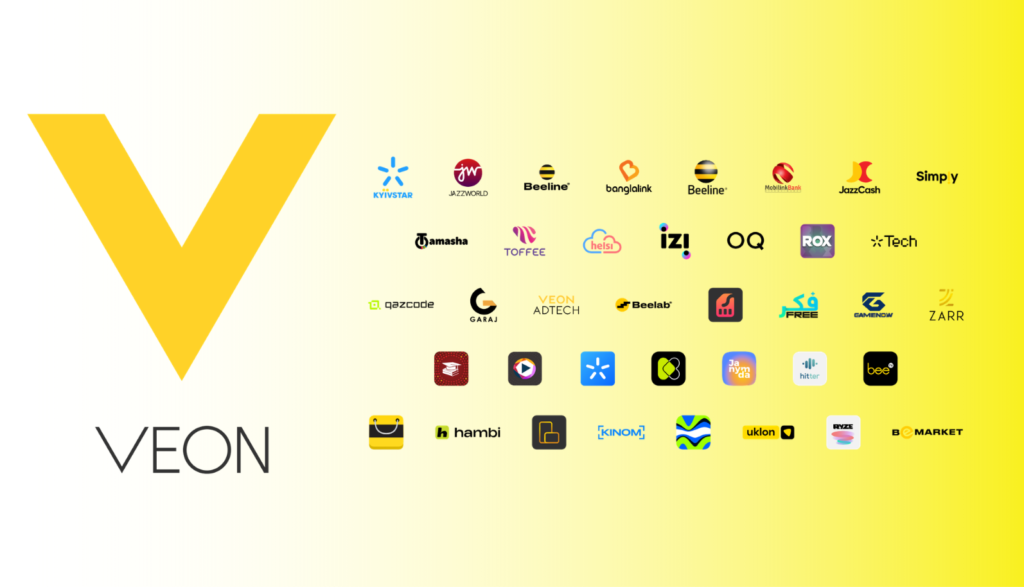
With over 40 million monthly users across VEON markets in financial platform, what are the key factors behind scaling digital finance responsibly and inclusively — and can Bangladesh replicate that success soon?
To scale digital finance responsibly and inclusively, the most important thing is to build services that are based on trust, data, and accessibility. Like I’ve said before, digital finance only takes off when it is intuitive and reliable.
With the 40 million monthly active users across VEON markets as of 2Q 2025, we already know the model works. Leveraging Banglalink’s strong local presence and customer trust, I believe, Bangladesh can be the next success story in VEON’s financial inclusion journey.
Nearly half of Bangladesh’s adults remain unbanked. How can Banglalink, through its platforms and partnerships, bring more people, especially women and rural communities, into the formal financial system?
At Banglalink, we want to reach the unbanked through digital innovation and mobile technology. The goal is simple: we want to make digital finance as seamless, trusted, and empowering as a conversation. We are turning phones into digital wallets so that people can save, make payments, get micro-credits, and receive remittances without needing a conventional bank account. This is especially important for women and rural communities because it opens doors to economic participation, entrepreneurship, and a stable future.
Beyond access, how do you plan to build financial literacy and digital confidence among new users so that inclusion becomes empowerment?
Financial inclusion and literacy go hand in hand, as access means little without understanding.That’s why, beyond just giving people access, we focus on educating them through our in-app guidance and awareness campaigns. We want our users to feel confident about saving, spending, and investing responsibly. VEON’s experience in other markets shows that these programs actually work. Our goal is not just to connect people to financial systems, but to equip them with the knowledge to thrive within them.
You often describe the ‘digital divide’ as more than a connectivity gap. How do you see digital access translating into real social and economic progress for communities?
Exactly – the digital divide isn’t just about connectivity, it’s about opportunity.When digital services reach every village, they act as economic equalizers. By extending platforms like MyBL, Toffee, and RYZE beyond the cities into rural communities, we’re creating real paths towards entrepreneurship, education, and growth, which in turn will translate into real social and economic progress.
You’ve spoken about fair spectrum pricing and the USD 45 billion economic potential it could unlock by 2035. What kind of policy reforms or collaborations are needed to achieve that?
Mobile connectivity is the oxygen of Bangladesh’s digital ambition — but oxygen must flow freely to keep the nation growing. Right now, telecom-specific taxes and spectrum fees nearly 56 percent of operators’ market revenue in Bangladesh. That’s among the highest in the world, and it’s not exactly an environment that encourages investment. But with balanced spectrum pricing and fair taxation, we can unlock USD 45 billion in new economic value and accelerate the country’s digital future.
While many countries race toward 5G, Banglalink is strengthening 4G first. Why this pragmatic approach — and how are you preparing for 5G and even 6G in the long term?
Like I said before, progress is all about inclusion. It isn’t measured by speed – it’s measured by reach. With only 6.6 percent of devices 5G-ready, expanding 4G for all, rather than 5G for a few, is how we can make technology meaningful for everyone.We are focusing on meaningful applications like telemedicine, smart classrooms, and e-commerce while preparing for 6G. We are not chasing headlines – we are building impact, connecting people to possibilities that improve daily life.
Banglalink is nurturing young digital talent through initiatives like RYZE and skills programs. What’s your message to the next generation — and what kind of Bangladesh do you envision five years from now, digitally and economically?
Young people are the architects of Bangladesh’s digital future. My message to the next generation is this: don’t just be a part of Bangladesh’s digital journey – lead it. At Banglalink, we are running programs like SAP (Strategic Assistance Programme), Ennovators, and Womentor, which can equip these young leaders with the practical skills they need to thrive in this digital economy.
In five years, with tools like these, I see a Bangladesh where technology truly empowers learning, entrepreneurship, and economic growth; a nation where progress is purposeful, connecting people not just to the internet but to opportunity.
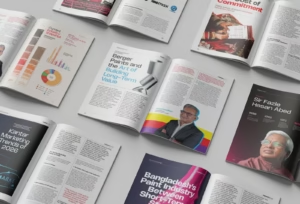
This interview was first published in Market Script Issue 2, where we delved deep into the ‘Telecom Industry’ of Bangladesh.
For more updates, be with Markedium.













Leave a comment