





























In India’s matrimonial culture, biodatas often resemble product descriptions. Height. Skin tone. Body type. The first few lines typically read less like a human introduction and more like a specification sheet.
Before personality, ambition, or worldview enters the conversation, appearance has already defined the candidate.
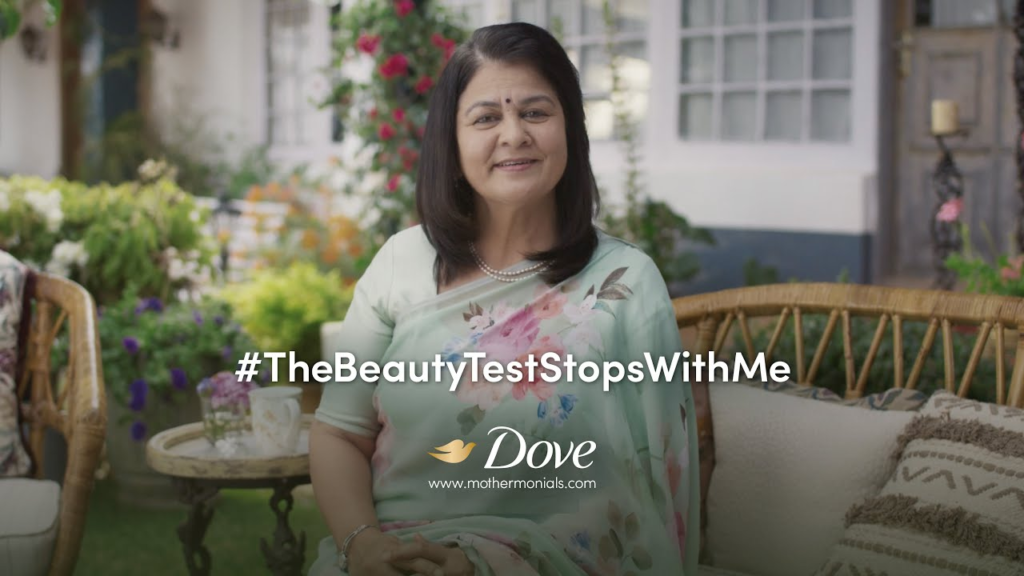
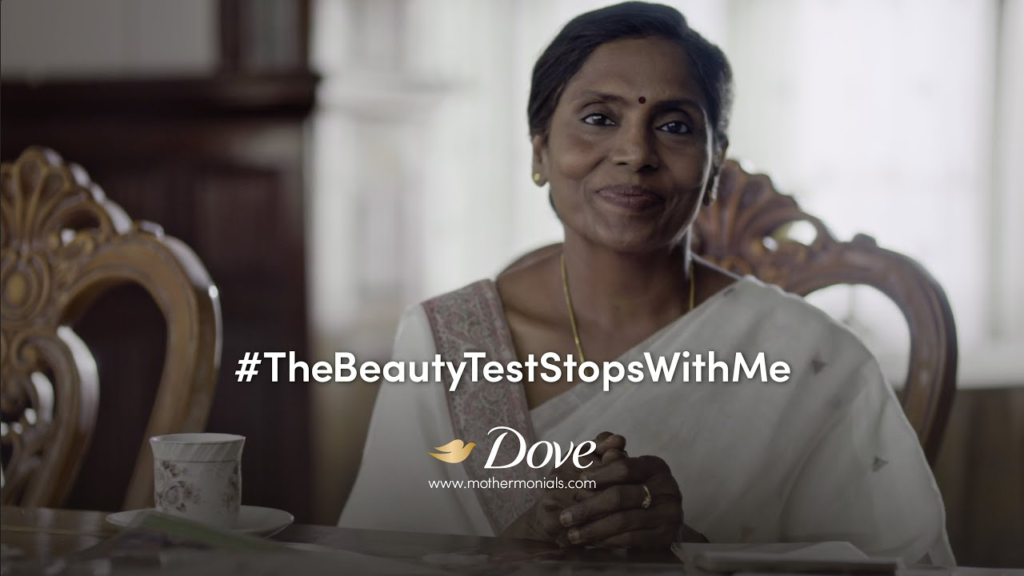
Dove’s latest campaign, “Mothermonials”, steps into this cultural space and asks a simple question: what if daughters were introduced by who they are rather than how they look?
It’s not a radical technological innovation or a dramatic stunt. Instead, it is an attempt to rewrite the language of arranged marriage itself.
Flipping the Format
The central creative device of the campaign is deceptively simple.
Instead of traditional matrimonial descriptions—“fair, slim, 5’5”—the profiles in Dove’s campaign highlight personality, passions, education, humour, and individuality.
A daughter becomes someone who:
- debates passionately
- dreams big
- pursues a career she loves
- plays music or builds ideas
The result feels less like a marketplace listing and more like a proud introduction.
In advertising terms, this is format disruption. The campaign doesn’t invent a new medium; it reorders an existing one.
The Strategic Choice: Mothers as Messengers
The most interesting creative decision is not the insight itself, but who delivers the message.
Instead of framing daughters as victims of beauty bias, Dove puts mothers at the center of the narrative.
These are women who themselves navigated a system where appearance often defined marriage prospects. Their reflections—sometimes uncomfortable, sometimes proud—create emotional credibility.
From a storytelling standpoint, it’s a smart shift.
Read more: AXE Kicks Off World Cup Campaign with ‘Smell Your Best When You Look Your Worst’
When criticism of a cultural norm comes from inside the system rather than outside it, the message feels less accusatory and more reflective.
A Continuation, Not a One-Off
Dove has spent years building credibility around beauty bias.
- 2021: The brand exposed how women are constantly “tested” on beauty during marriage discussions.
- 2022: The conversation shifted toward how appearance anxiety begins during adolescence.
- 2024: The campaign moves toward action—encouraging families to rewrite the matrimonial format itself.
From a brand strategy perspective, this continuity matters. Without it, Mothermonials might have felt like opportunistic activism.
Instead, it reads as another chapter in a long-running narrative about beauty standards.
Technology Meets Tradition
The campaign also introduces a technological layer.
Working with Mindshare and a media partner, Dove integrated AI-powered biodata tools that help families generate profiles focusing on personality traits, achievements, and interests rather than physical attributes.
Conceptually, this is an interesting contrast:
modern technology correcting outdated social conventions.
But importantly, the technology is not the headline. The emotional conversation remains the centerpiece.
The Creative Strength: Quiet Provocation
From a critical advertising perspective, Mothermonials stands out for its restraint.
Many purpose-driven campaigns lean heavily on shock tactics or moral confrontation. Dove avoids that route.
Instead, the campaign:
- challenges a cultural practice without ridiculing it
- replaces criticism with pride
- prioritizes real conversations over scripted slogans
This softer approach might lack viral theatrics, but it carries greater cultural durability.
Where the Campaign Deserves Scrutiny
No socially conscious campaign should escape critique.
While Mothermonials raises an important conversation, it still operates within the arranged marriage ecosystem rather than challenging it outright. The format is improved, but the marketplace dynamic of matrimonial evaluation remains intact.
In other words, the campaign reforms the language of the system—but not necessarily the system itself.
For a global brand like Dove, this balancing act is deliberate. Pushing too far could alienate audiences; pushing too little risks appearing performative.
Mothermonials lands somewhere in the middle.
The Larger Conversation
Despite its limitations, the campaign succeeds in doing something advertising rarely achieves: turning a normalized cultural practice into a moment of reflection.
By rewriting a few lines in a matrimonial biodata, Dove opens a broader conversation about how societies measure women’s worth.
And in the world of advertising—where messages often shout—Mothermonials proves that sometimes the most effective ideas simply change the way we introduce ourselves.
For more updates, be with Markedium.
If you want us to take a look at one of your campaigns, click here to submit














Leave a comment