






























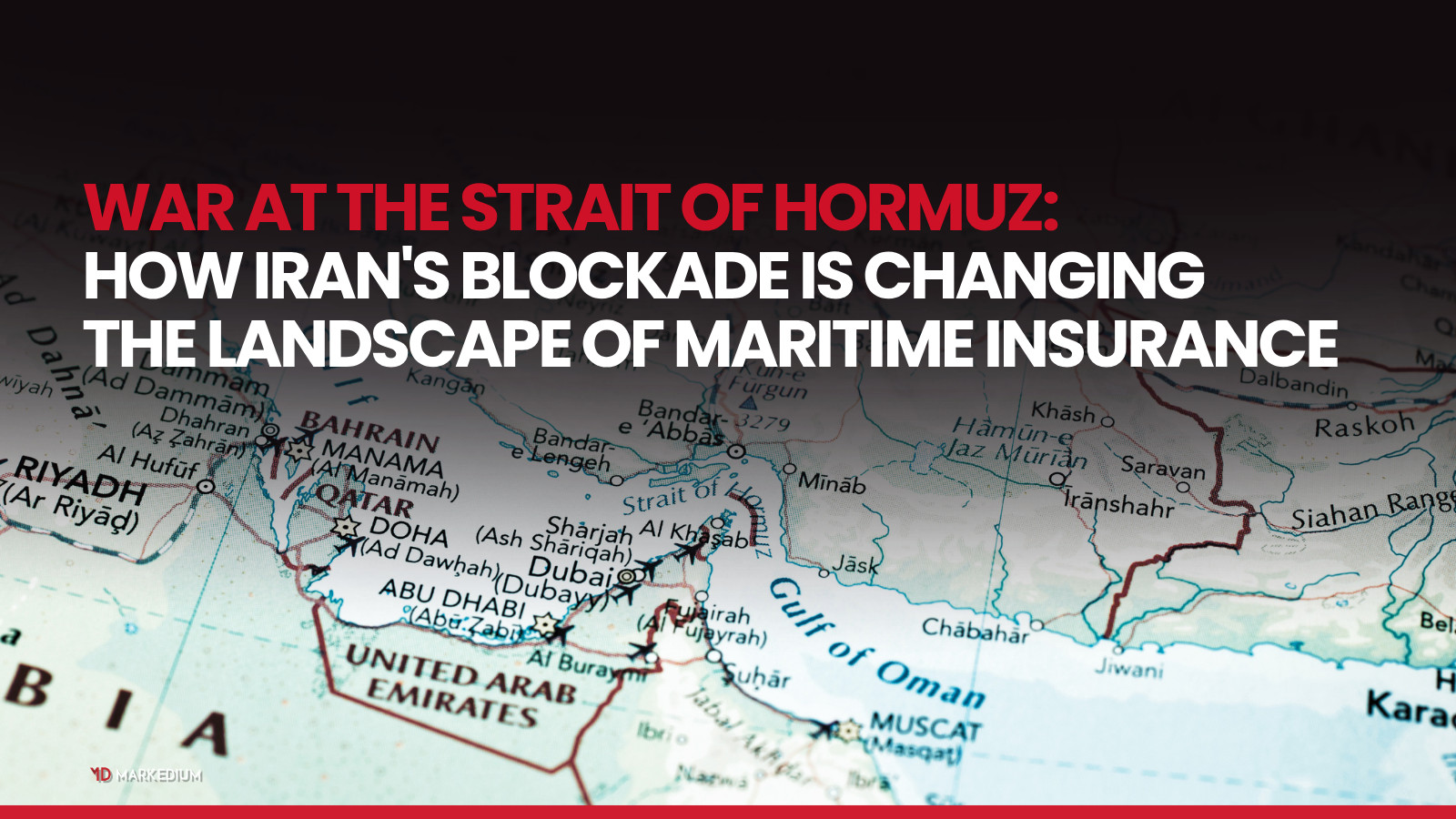
The US-Israel war on Iran has done more than disrupt oil flows. It has upended the global maritime insurance market, sending premiums to levels not seen in modern shipping history and leaving freight operators facing an impossible calculus: pay tens of millions for a single crossing, or avoid the Strait of Hormuz entirely.
Before the conflict erupted on 28 February, war risk insurance for a commercial vessel typically cost less than 1% of its hull value. That figure has since exploded. Industry brokers now quote premiums ranging from 3.5% to 10% per trip through the strait, with rates shifting almost hourly. A brand new LNG carrier can be worth $200 million to $250 million, with its cargo potentially matching that figure. At those valuations, a single insured crossing could cost tens of millions of dollars before a single barrel of oil or container of goods is delivered. Cargo insurance rates have followed the same upward trajectory, compounding costs for operators already absorbing record fuel prices.

Cover Exists. Nobody Is Buying.
Despite the surging costs, war risk coverage remains technically available. London’s Lloyd’s Market Association clarified that cancellation notices issued after fighting broke out do not end coverage outright but allow insurers to reassess and reprice terms. Executives in London, the world’s top shipping insurance market, insist that safety concerns, not insurance availability, are keeping vessels away from the route.
Yet the market has effectively frozen. One underwriter reported uptake for Hormuz-related policies below 1%. Commercial vessels typically carry multiple overlapping policies: hull cover for physical damage, protection and indemnity insurance for third-party liability, separate cargo insurance and an annual war risk premium. That annual premium, however, does not cover entry into designated danger zones such as the strait. Operators must negotiate an entirely separate policy for each crossing attempt, now valid for just 12 hours instead of the usual 24. Some underwriters have even required vessels to transit at full speed as a condition of cover.
Washington Steps In
With private markets effectively stalled, the US government is preparing to intervene. Treasury Secretary Scott Bessent confirmed that a federal shipping insurance scheme backed by naval escorts is imminent. Western allies have so far declined to participate while the conflict continues. But brokers say a credible military protection framework could bring premiums down rapidly. Until that framework materialises, one of the world’s most critical trade corridors remains, for all practical purposes, closed.
For more updates, be with Markedium.












Leave a comment