





























Bangladesh is moving to increase electricity output from coal-fired power plants after disruptions in the Strait of Hormuz raised serious concerns over the country’s liquefied natural gas (LNG) imports, with officials warning of a potential 1,800-megawatt generation shortfall.
State-owned Petrobangla currently supplies between 850 and 900 million cubic feet per day (mmcfd) of gas to power plants, far below the sector’s stated demand of 2,524.9 mmcfd. Energy Division officials warn that supply could fall by a further 200 to 250 mmcfd if LNG shipments through the Strait of Hormuz remain uncertain, potentially cutting gas to power plants to around 700 mmcfd and triggering a generation deficit of between 1,400MW and 1,800MW.

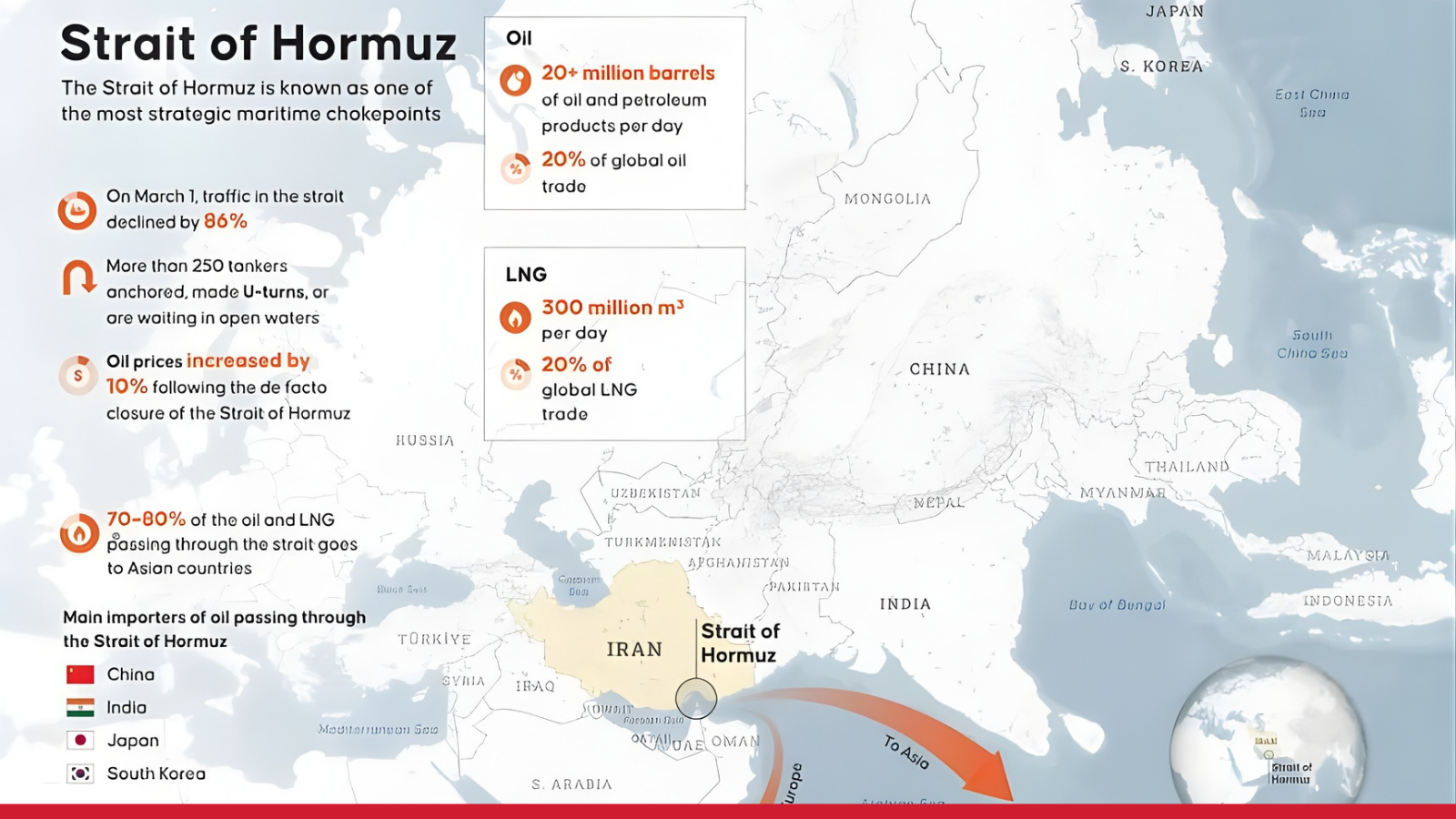
Bangladesh’s largest long-term LNG supplier, QatarEnergy, routes its cargoes through the strait. Of the 22 LNG cargoes scheduled to arrive between March and May, 18 are expected to pass through the waterway. Energy Secretary Mohammad Saiful Islam confirmed that two cargoes are currently at risk. “If two cargoes become unavailable, we will lose 200 to 250 mmcfd in the supply line in March,” he said.
Following strikes on Iran by the United States and Israel, a maritime radio warning urged ships to avoid transiting the Strait of Hormuz. While Iran’s Foreign Minister Abbas Araghchi stated that Tehran has no plans to close the waterway, the pullback of commercial operators, major oil firms, and insurers has effectively left the corridor largely closed to global shipping.
In response, the Bangladesh Power Development Board has been instructed to raise coal-fired generation toward 5,000MW. As of Monday, coal plants were producing approximately 4,095MW of the country’s total 12,454MW output. The BPDB Chairman confirmed that coal reserves are sufficient to sustain full-capacity operations for at least one month.
The government is also reducing furnace oil prices to encourage greater output from oil-fired plants, while considering increased purchases from the spot LNG market, where prices are 35 to 40 percent higher than long-term contract rates. Bangladesh had originally planned to import 115 LNG cargoes in 2026, with 12 sourced from the spot market. That number may now rise significantly, placing additional pressure on public finances already under strain.
Electricity imports from India have also been scaled up as a buffer. Imports from Adani Power recently reached approximately 1,452MW, supplemented by additional flows under the Bheramara HVDC project and from Tripura.
Power and Energy Minister Iqbal Hasan Mahmud Tuku said the government is “observing the situation and drawing up a plan,” but officials cautioned that prolonged supply disruption could ultimately force load shedding across the country.
For more updates, follow Markedium.













Leave a comment