





























Brand development is the strategic process of defining what a brand stands for, how it communicates, and how it grows its identity in the market over time. Brand development covers everything from the initial discovery of a brand’s purpose and positioning to the consistent execution of that identity across every customer touchpoint. Businesses at every stage, from startups to global corporations, use brand development to differentiate themselves, attract their target audience, and build lasting customer loyalty.
Brand development is not a single campaign or a one-time logo project. Brand development is an ongoing business function that aligns marketing, product, and communication decisions around a central brand identity.

What Is Brand Development?
Brand development is the process of creating, refining, and strengthening a brand’s identity, positioning, and perception among its target audience. It defines what a brand promises, how it looks and sounds, and why customers should choose it over competitors.
Brand development definition: Brand development is the ongoing strategic process by which a business establishes its market identity, communicates its value proposition, and builds recognition and trust with its audience.
Brand development in marketing refers specifically to the activities that shape how a brand is perceived, including market research, brand positioning, visual identity design, messaging frameworks, and integrated marketing campaigns.
Brand Development vs Branding vs Brand Management
Brand development, branding, and brand management are related but distinct concepts:
| Term | Definition | Focus |
|---|---|---|
| Brand development | The strategic process of building a brand from concept to market presence | Long-term, strategic |
| Branding | The act of applying brand elements, logo, colors, tone, to products and communications | Executional, creative |
| Brand management | The ongoing monitoring and protection of an established brand’s consistency and equity | Maintenance, protection |
Brand development creates the foundation. Branding executes it. Brand management sustains it.
The Brand Development Process: 7 Stages
The brand development process moves through 7 stages, from initial research to ongoing measurement. Each stage builds on the previous one, so skipping stages produces a weaker brand identity.
The 7 stages of brand development are:
- Business and audience research — The process starts with understanding the business’s goals, its target customers, and the competitive landscape. Research includes customer interviews, competitor analysis, and market positioning audits.
- Brand positioning — Brand positioning defines the specific market space the brand will occupy. Brand positioning answers: who is this brand for, what it offers, and why it matters more than alternatives? A strong brand positioning statement is specific, defensible, and meaningful to the target audience.
- Brand identity development — Brand identity development translates positioning into the visual and verbal elements that make the brand recognizable. Brand identity includes the brand name, logo, color palette, typography, tone of voice, and messaging framework.
- Brand strategy creation — Brand strategy development produces a documented plan that defines the brand’s goals, target segments, key messages, and the marketing channels through which the brand will be built. A brand development strategy serves as the decision-making guide for all brand-related activities.
- Brand implementation — Brand implementation deploys the identity and strategy across all customer touchpoints: website, packaging, advertising, social media, sales materials, and internal communications. Consistent implementation is what turns a brand strategy into a brand experience.
- Brand activation and marketing — Brand activation introduces or relaunches the brand in the market through campaigns, partnerships, content, and events. Marketing and brand development work together at this stage to generate awareness and affinity.
- Measurement and evolution — The development is continuous. Brands measure performance through metrics like brand awareness, share of voice, net promoter score (NPS), and brand equity scores. Measurement informs adjustments to strategy, messaging, and identity over time.
Brand Development Strategy: 5 Steps
A brand development strategy is the plan that guides every brand-building decision. Strategic brand development connects business objectives to brand actions, enabling brand investment to produce measurable business results.
The 5 steps of a brand development strategy are:
Step 1: Define the Brand’s Purpose and Positioning
Brand strategy development begins by answering three questions: what does the business do, who does it serve, and why does it matter? The answers form the brand’s positioning statement, which functions as the strategic foundation for all subsequent decisions.
A strong brand positioning statement follows this structure: For [target audience], [brand name] is the [category] that [key benefit] because [reason to believe].
Example: For independent business owners, Mailchimp is the marketing platform that simplifies email automation by combining powerful tools with an approachable, no-code interface.
Step 2: Identify the Brand’s Target Audience
Brand development strategy requires a precise understanding of who the brand serves. Target audience definition goes beyond demographics and includes psychographics: what motivates the audience, what problems they face, how they make decisions, and what they value in a brand relationship.
A brand that tries to speak to everyone speaks to no one. Strategic brand development narrows the audience to create a message that resonates deeply with the right people.
Step 3: Develop the Brand’s Visual and Verbal Identity
Brand identity development produces the tangible elements of the brand. Visual identity includes the logo system, color palette, typography, photography style, and layout principles. Verbal identity includes the brand name, tagline, tone of voice, and the key messages the brand uses consistently.
Brand identity must be documented in brand guidelines, a reference document that ensures every team member and agency applies the brand consistently.
Step 4: Build the Marketing Plan Around the Brand
Brand development marketing is the process of connecting brand strategy to marketing execution. The brand development plan specifies which channels the brand will use (content marketing, social media, paid advertising, events, PR) and how each channel reinforces the core brand identity and positioning.
Marketing and brand development are most effective when they operate from the same strategic brief. Disconnected marketing campaigns produce disconnected brand impressions.
Step 5: Measure, Learn, and Adjust
Brand strategy and development is iterative. Brands track brand awareness (aided and unaided), consideration and preference metrics, share of voice, and customer sentiment to evaluate whether the brand strategy is working. Measurement results feed back into the strategy, prompting adjustments to messaging, positioning, or channels.
How to Build a Strong Brand: A Practical Guide
Building a strong brand depends on the business stage, available resources, and market position. The following process applies to startups building a brand from scratch and to established businesses undertaking brand development to sharpen or reposition their identity.
How to brand your business in 8 actions:
- Audit what already exists. For existing businesses, brand development begins with a brand audit. A brand audit reveals how the brand is currently perceived, where the identity is inconsistent, and how competitors are positioned. The audit findings define the gap between current brand perception and desired brand position.
- Write a brand brief. A brand brief is a one- to two-page document that captures the brand’s purpose, audience, positioning, personality, and key messages. The brand brief becomes the reference point for every brand development decision.
- Name and verbal identity first. The brand name, tagline, and tone of voice establish the brand’s character before visual design begins. Rushing to logo design without settled verbal identity produces visual work that must later be redone.
- Design a scalable visual identity. Brand identity design should produce a logo system, not just a logo. A scalable identity works across digital, print, packaging, signage, and merchandise without losing clarity or recognition.
- Build the brand platform. The brand platform is the website, social media presence, and content hub where the brand speaks directly to its audience. Brand development depends on a central platform that consistently expresses the brand identity.
- Launch with a brand campaign. Brand development marketing at launch sets the tone for how the market receives the brand. A launch campaign introduces the brand’s purpose and identity through the channels where the target audience spends time.
- Train your team. Internal brand alignment is a prerequisite for external brand consistency. Every employee who communicates with customers represents the brand. Brand training ensures the team understands the brand’s personality, messaging, and standards.
- Track brand metrics from day one. Brand development that is not measured cannot be improved. Establish baseline metrics at launch to track progress over time.
Brand Development Examples
Brand development examples show the principles of brand strategy in action. The following 5 examples illustrate different brand development approaches across industries and market stages.
Apple: Brand Development Through Simplicity and Identity
Apple’s brand development strategy positioned the company not around product specifications but around a brand identity: the belief that design and simplicity change the world. Apple’s brand development built a consistent visual language (clean white, minimalist typography, uncluttered packaging) and a verbal tone (conversational, human, bold) that became immediately recognizable globally. Apple’s brand equity, the premium customers are willing to pay above commodity alternatives, is a direct result of decades of consistent brand development.
Brand development lesson: A clear positioning (“for the creative individual who refuses complexity”) applied consistently over time compounds into dominant brand equity.
Nike: Brand Building Strategy Through Purpose
Nike’s brand-building strategy evolved from a shoe company’s identity to a brand built on a single human truth: athletic potential exists in everyone. The “Just Do It” campaign was not a product advertisement. It was a brand development statement that repositioned Nike from sports equipment to personal empowerment. Nike’s brand development in marketing consistently ties product launches, athlete partnerships, and social campaigns back to this central brand purpose.
Brand development lesson: Brand development that connects product to human purpose creates emotional brand loyalty that product features alone cannot build.
Airbnb: Strategic Brand Development Through Belonging
Airbnb’s strategic brand development addressed a perception problem: staying in a stranger’s home felt unsafe. Airbnb’s brand development strategy reframed this as an advantage. The brand positioning shifted to “belong anywhere,” built on a visual identity redesign (the Bélo symbol), a tone of voice centered on community and human connection, and a content strategy featuring host stories. Airbnb’s brand development process produced a brand that now commands premium pricing and fierce loyalty in a category it created.
Brand development lesson: Brand development can reframe perceived weaknesses into brand strengths when the positioning is grounded in a real human insight.
Warby Parker: Brand Development for a New Market
Warby Parker’s brand development strategy disrupted the eyewear market by combining a clear value proposition (designer eyewear at a fraction of the price) with a strong brand personality (witty, warm, literary). Warby Parker’s brand development process included a distinctive visual identity, a direct-to-consumer brand platform, and a socially conscious brand purpose (buy a pair, give a pair). The result was a brand that built a loyal customer base without traditional retail distribution.
Brand development lesson: Brand development for a new market requires a positioning that explains not just what the product does, but why the brand exists in a way that resonates with a specific audience.
Grameenphone: Brand Development in an Emerging Market
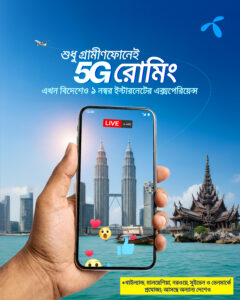
Grameenphone’s brand development in Bangladesh illustrates how brand-building strategy works in a price-sensitive, high-growth emerging market. Grameenphone built its brand not only on network quality but on accessibility, relevance, and national identity. Brand development marketing campaigns connected the brand to Bangladeshi culture, language, and aspirations, making Grameenphone not just a telecom provider but a trusted partner in national development. This brand development approach gave Grameenphone a loyalty advantage that competitors with inferior brand development could not overcome, despite offering comparable products.
Brand development lesson: In emerging markets, brand development that connects to cultural identity and local values creates competitive advantages that are harder to copy than price or network quality.
Brand Development in Marketing: The Role of Marketing Teams
Brand development in marketing refers to the marketing function’s responsibility for building, expressing, and measuring the brand. Marketing and brand development overlap in several specific areas:
Content marketing — Content marketing is one of the most powerful tools for brand development in marketing. Consistently publishing content that reflects the brand’s expertise, voice, and values builds brand authority with target audiences over time.
Social media brand development — Social media is the primary real-time expression of a brand’s personality. Brand development on social platforms requires consistent visual identity, consistent tone, and content that reinforces the brand’s positioning.
Campaign development — Every marketing campaign is an opportunity to advance brand development goals or to damage them. Brand development marketing aligns campaign briefs to the brand positioning so that campaigns build brand equity rather than just drive short-term conversions.
Medium brand development — For content creators and thought leaders publishing on platforms like Medium, brand development follows the same principles as corporate brand development: a consistent voice, a defined audience, a clear point of view, and content that builds recognition over time. Medium brand development rewards consistency and intellectual specificity.
Brand Development Plan: What to Include
A brand development plan is a documented roadmap that outlines the goals, strategy, activities, and metrics for a brand development initiative. A brand development plan keeps brand development accountable and ensures that the strategy translates into action.
A brand development plan includes 6 components:
- Brand audit findings — current state of brand perception, identity consistency, and competitive positioning
- Brand goals — specific, measurable objectives for brand awareness, preference, and equity over a defined timeframe
- Brand strategy — positioning statement, target audience definition, key messages, and brand personality
- Brand identity specifications — logo usage, color palette, typography, and tone of voice guidelines
- Marketing and activation plan — channels, campaigns, content calendar, and partnership strategy
- Measurement framework — KPIs, tracking tools, and review cadence
Brand Development for Different Business Types
Brand development strategies differ based on business type, size, and stage:
Brand development for startups — Startup brand development prioritizes positioning clarity over visual polish. Getting the target audience, core message, and value proposition right matters more than an expensive logo system. Startups should invest in brand strategy before brand identity design.
Brand development for small businesses — Small business brand development relies on consistency over scale. A small business with a clear, consistent brand identity outperforms a competitor with a larger budget but inconsistent brand expression.
Brand development for medium-sized businesses — Medium brand development often involves rebranding as the business has outgrown its original identity. Medium-sized businesses approaching brand development should audit existing brand equity carefully before changing elements that customers already recognize.
Brand development for enterprises — Enterprise brand development manages brand portfolios, sub-brands, and market-specific adaptations while maintaining a coherent global brand architecture.
How to Measure Brand Development Progress
Brand development progress is measured through both qualitative and quantitative metrics:
| Metric | What It Measures | How to Track |
|---|---|---|
| Brand awareness | % of the aware audience who would consider buying | Surveys, Google Search Console impressions |
| Share of voice | Brand’s presence relative to competitors | Social listening tools, Ahrefs |
| Brand consideration | % of aware audience who would consider buying | Customer surveys |
| Net Promoter Score (NPS) | Customer loyalty and advocacy | Post-purchase surveys |
| Brand search volume | Growth in branded search queries | Google Search Console |
| Brand sentiment | Positive vs negative mentions | Social listening tools |
Brand development investment pays off in these metrics over months and years, not weeks. Tracking baselines from the start of a brand development initiative enables accurate measurement of return on brand investment.

Common Brand Development Mistakes
Brand development fails for predictable reasons. The 4 most common brand development mistakes are:
- Skipping brand strategy and going straight to design. A logo without a positioning strategy is decoration. Brand development that starts with visual identity before positioning produces a brand with a strong look and a weak identity.
- Trying to appeal to everyone. Brand development that refuses to narrow its audience produces messaging that resonates with no one deeply. A brand that appeals to “all businesses” or “all consumers” has no real brand.
- Inconsistent implementation. A brand development strategy produces no results if the brand identity is not applied consistently. Every inconsistent brand touchpoint weakens brand recognition and erodes trust.
- Treating brand development as a one-time project. Brand development is continuous. Markets shift, competitors evolve, and customer expectations change. Brands that stop developing become stale and lose competitive ground to brands that continue to invest in their development.
FAQ: Brand Development
What is the difference between brand development and brand strategy? Brand development is the full process of building and evolving a brand over time. Brand strategy is the planning document within that process that defines positioning, audience, messaging, and direction. Brand strategy guides brand development.
How long does brand development take? Brand development for a new brand typically takes 3 to 6 months to complete the strategy and identity phases. Building meaningful brand awareness and equity in the market takes 1 to 3 years of consistent execution.
What does a brand development agency do? A brand development agency leads businesses through the brand development process, from research and strategy to identity design, brand guidelines, and launch. Brand development agencies specialize in translating business objectives into brand strategy and creative execution.
Can small businesses do brand development without an agency? Brand development for small businesses can be led internally if the team has clarity on positioning, audience, and messaging. The brand identity design phase typically benefits from professional support, even if the strategy is developed in-house.
What is the brand development index? The Brand Development Index (BDI) is a marketing metric that measures a brand’s sales rate in a specific market area relative to the national average. BDI helps marketers identify high-opportunity markets for brand development investment.











Leave a comment