




























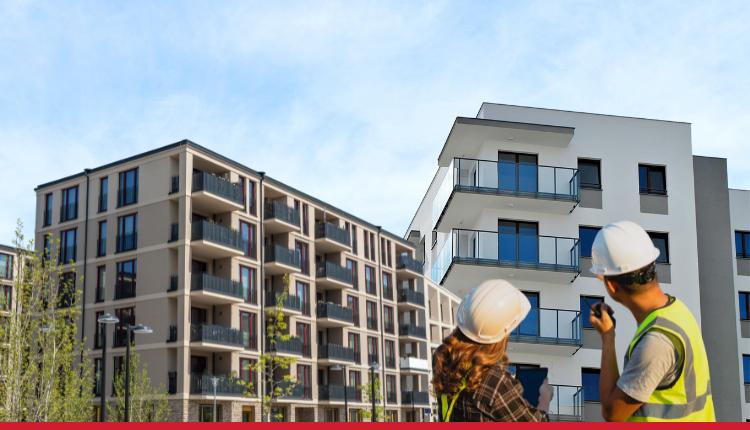
Bangladesh faces a significant housing gap, requiring approximately 100,000 new apartments each year. Despite having the capacity to meet this demand, real estate developers can only supply 8 percent of the necessary units, leaving a substantial shortfall. One of the key obstacles in addressing this issue is the affordability of housing, particularly for most buyers, compounded by high mortgage interest rates. According to FR Khan, Managing Director of Building Technology and Ideas (bti), a leading real estate developer in Bangladesh, these challenges are further exacerbated by frequent interest rate fluctuations and the 30 percent down payment requirement for buyers.
Khan believes that a possible solution could be to fix interest rates and increase the loan-to-value ratio provided by mortgage providers to make homeownership more accessible to a broader range of buyers. He emphasized that bti, founded in 1984, has already delivered over 7,500 apartments, mostly in Dhaka, and is well-equipped to continue this growth. Over the years, bti has grown steadily, maintaining an inventory of 2,000 flats and consistently delivering projects on time despite economic challenges.
Khan shared that the real estate sector has faced a significant strain due to several factors, such as currency fluctuations and the rising cost of raw materials, which have pushed up real estate prices. His company caters to a wide range of buyers, from those seeking high-end homes priced between Tk 15 crore to Tk 20 crore to those looking for more affordable apartments within the range of Tk 1.5 crore to Tk 2.5 crore.
Read more: Bangladesh’s Plastic Exports Surge Amid Global Demand
In recent times, demand for luxury properties has declined due to reduced purchasing power among wealthier buyers, while the mid-market segment has seen an uptick in demand. Buyers with monthly incomes over Tk 100,000 are increasingly willing to take out loans to purchase homes priced between Tk 1.5 crore and Tk 2 crore.
Despite the rising inflation, higher interest rates, and macroeconomic challenges, Khan remains hopeful that the real estate sector will recover gradually. He expects market stabilization within the next 18 months as inflation eases and interest rates decline. Khan also observed that during the Covid-19 pandemic, while the sector faced disruptions, there was an unexpected surge in property investments as individuals sought safe and secure assets in real estate amid uncertain times.
bti is continuing its expansion plans with 72 ongoing developments, aiming to deliver 2,000 units to clients by 2025. Khan remains optimistic, citing the potential for recovery and growth in the sector despite the current challenges. He remarked, “Every difficult situation presents an opportunity.”
However, Khan also voiced concerns over the new Detailed Area Plan (DAP) introduced by Rajdhani Unnayan Kartripakkha (Rajuk) in August 2022, which has been a topic of heated debate among urban planners and developers. The plan limits building density by reducing the Floor Area Ratio (FAR), which could further restrict housing options in Dhaka. Khan explained that Dhaka’s historical challenges make implementing the DAP, which is based on models from developed countries.
The implementation of the DAP could drive up land and apartment prices, creating an imbalance between demand and supply. Khan emphasized that decentralizing services and infrastructure could ease the pressure on Dhaka’s housing market. Drawing a comparison with Bangkok, Khan proposed that the government focus on decentralizing infrastructure and services to other districts such as Jashore and Khulna to reduce the need for people to migrate to Dhaka.
In conclusion, while challenges remain, the real estate sector in Bangladesh has the potential for growth and development. By addressing affordability issues, stabilizing mortgage rates, and decentralizing infrastructure, the government and developers can work together to solve the housing crisis and ensure a more sustainable future for the country’s growing population.
For more updates, be with Markedium.














Leave a comment