
























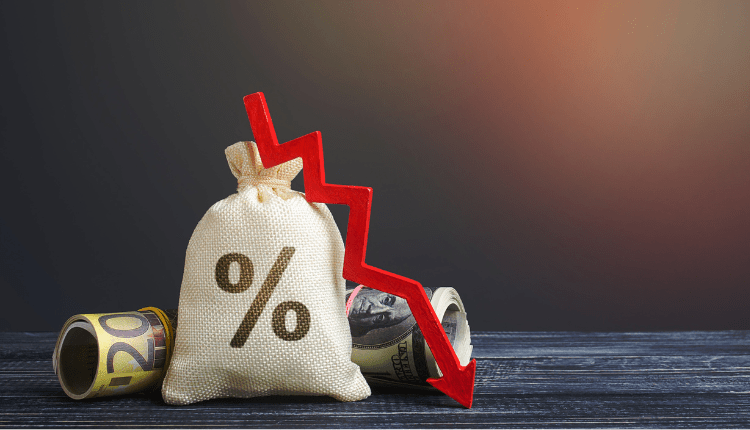
In a challenging economic climate marked by uncertainties in both domestic and global markets, the private sector in Bangladesh has seen a significant reduction in its outstanding balance of short-term external borrowing.
The figures indicate a decrease to $12.43 billion in September, raising concerns about the potential impact on industrial production and employment in the country’s $460 billion economy, where the private sector plays a prominent role.
The declining trend in capital inflow is unsettling for economists and market analysts who perceive this as a contributing factor to the ongoing volatility in the domestic market. This volatility is exacerbated by the increasing cost of foreign currencies due to the depreciation of the local currency against the U.S. dollar and the associated risks of repayment in the face of a shortage of foreign exchange.

Data from the Bangladesh Bank reveals that at the beginning of the year, the private sector’s short-term external borrowing stood at $15.83 billion in January 2023. Over the months that followed, it steadily decreased to $12.43 billion in September.

The challenges stemming from the Russia-Ukraine conflict, coupled with domestic issues such as energy shortages, have created an environment less conducive to investment. This situation has particularly affected industries like textiles and clothing, which were experiencing export growth before global disruptions.
Read more: Here’s How bKash Achieved Major Profit Growth YoY In 9M’23
Global lenders are reportedly adopting a cautious approach when considering lending to the private sector in Bangladesh. Their concerns revolve around the availability of foreign currencies and the country’s current macroeconomic situation.
This caution could be a key factor in the downward trajectory of short-term overseas borrowing by the private sector. Import restrictions and energy-related disruptions have also contributed to a decreased demand for working capital and trade financing from external sources.
The private sector’s short-term external borrowing has witnessed a decline in Bangladesh amid economic uncertainties both at home and abroad. While central bank officials view this as a positive development, concerns remain about its potential impact on economic activity, particularly in light of ongoing global challenges and the shortage of foreign currencies.
For more updates, stay connected with Markedium.












Leave a comment