































The Ministry of Health’s proposal to amend the Smoking and Tobacco Products Usage (Control) Act, 2005 (as amended in 2013) has reopened an important conversation on tobacco control, public health, and economic sustainability. While the intent of strengthening regulation is widely acknowledged, the speed of the drafting process and the absence of structured consultation with affected stakeholders have prompted questions about whether the proposed measures will deliver their intended outcomes.
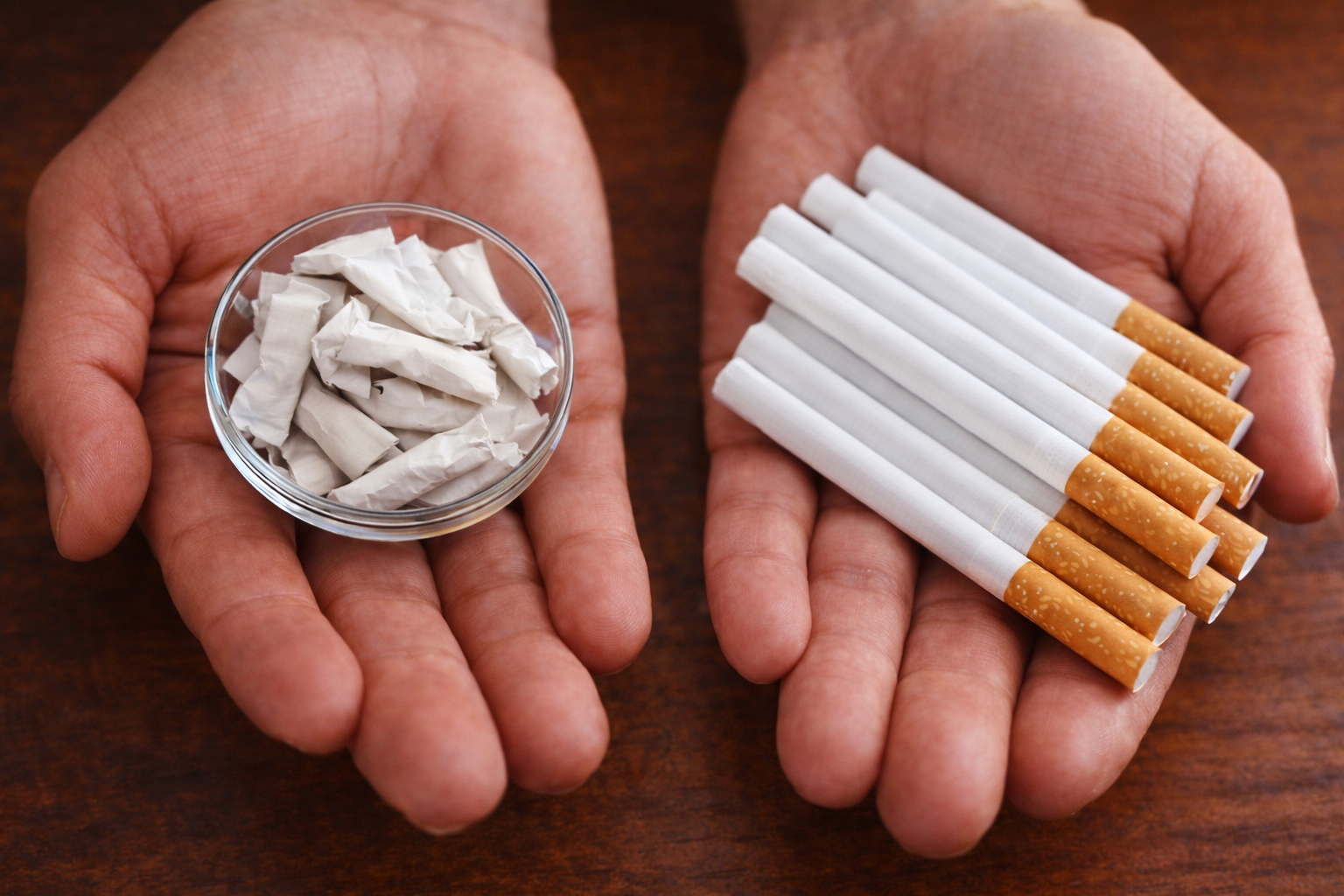
At the center of the discussion is the proposed blanket ban on all reduced-risk products, including Electronic Nicotine Delivery Systems (ENDS), heated tobacco products (HTPs), and nicotine pouches. Internationally, these products are increasingly viewed not as equivalents to combustible cigarettes, but as harm-reduction tools for adult smokers who are unable or unwilling to quit nicotine entirely. In several jurisdictions, regulators have chosen to manage these products through differentiated frameworks rather than outright prohibition.
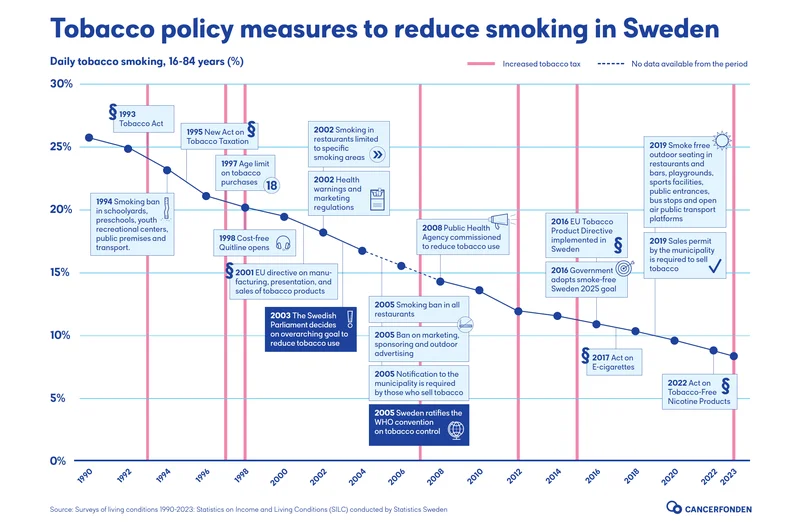
Public health outcomes from abroad offer relevant reference points. Sweden, often cited in global health discussions, has nearly achieved smoke-free status, largely attributed to adult smokers transitioning from cigarettes to nicotine pouches. While Bangladesh’s context is distinct, the broader lesson remains relevant: harm-reduction strategies, when properly regulated, can complement traditional tobacco control measures rather than undermine them.
The economic dimension also merits consideration. Reduced-risk products have emerged globally as a source of foreign direct investment, employment, and tax revenue. In Bangladesh, industry reports indicate that a nicotine pouch manufacturing facility established in 2025 brought in notable foreign investment, with potential for exports as international demand grows. A regulated market for ENDS and HTPs could, in theory, offer similar fiscal and industrial benefits. A blanket ban risks halting this momentum before its long-term implications are fully assessed.
Another issue frequently raised by analysts is enforcement feasibility. Bangladesh already contends with challenges related to illicit trade. Experience from other markets suggests that prohibiting demand-driven products does not eliminate consumption, but often shifts it underground. In such scenarios, regulatory oversight weakens, product quality becomes unmonitored, and anticipated public health gains may fail to materialize—while the state forfeits potential tax revenue.
Process has been a parallel point of concern. In 2024, the Interim Government announced the formation of a High-Powered Advisory Committee to ensure stakeholder engagement and evidence-based policymaking. However, industry and policy experts note that meaningful consultations have yet to occur. In complex policy areas that intersect health, economics, and enforcement capacity, inclusive dialogue often strengthens outcomes rather than diluting regulatory intent.
The tobacco sector contributes close to a tenth of government revenue, making it a material component of fiscal stability. Large-scale regulatory shifts introduced without comprehensive impact assessments may have second-order effects on revenue flows, employment, and investor confidence—particularly during periods of economic pressure.
The proposed amendment, therefore, presents an opportunity for reflection. Rather than framing the debate as regulation versus public health, a more nuanced question emerges: can Bangladesh design a regulatory approach that discourages smoking, protects youth, maintains enforcement control, and still leverages harm-reduction pathways for adult smokers? International experience suggests that prohibition is one option—but not the only one.
As the bill progresses, space remains for evidence-based discussion, stakeholder engagement, and calibrated policymaking. The long-term success of tobacco control in Bangladesh may ultimately depend not just on the strength of the law, but on how pragmatically it aligns public health goals with economic and regulatory realities.
For more updates, be with Markedium.














Leave a comment