





























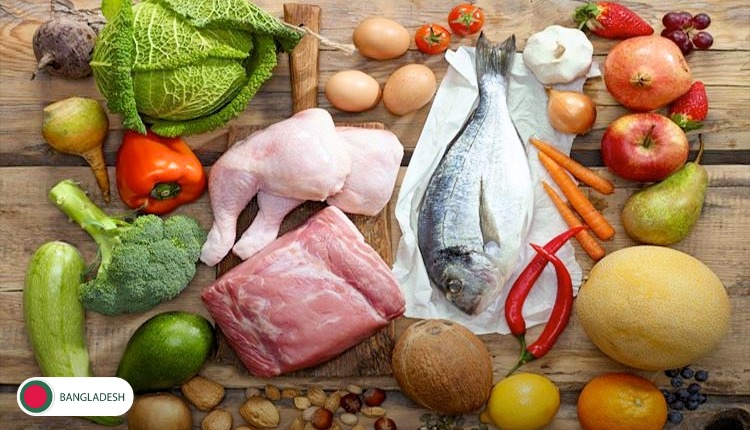
Bangladesh secured the third position among global food-importing nations, importing approximately 12.5 million tonnes of food products in 2021, according to the latest Food and Agriculture Organization (FAO) report. The UN’s World Food and Agriculture Annual Statistical Booklet 2023 discloses that Bangladesh produced approximately 93.3 million tonnes of agricultural produce during the same period. China leads in food imports, followed by the Philippines.
The report highlights Bangladesh’s high expenditure on importing wheat, edible oil, and milk powder, emphasizing that the per capita consumption of these imported food products remains relatively low. Despite this, Bangladesh excels in per capita consumption of locally produced foods like rice, vegetables, fish, and fruits. Agriculture Minister Abdur Razzak expressed optimism about reducing dependence on imported agricultural products through increased production of items such as edible oil, onions, and lentils.
The FAO report also notes Bangladesh’s decline in food exports, ranking lower than the US, UK, Germany, China, and France, which lead global food exports. While Bangladesh ranks third in global rice production, it doesn’t feature among the top five producers of wheat, corn, sugar, edible oil, and potatoes. In the past, Bangladesh has imported these products, although it had the potential to export potatoes. This year, due to a sudden increase in potato prices, Bangladesh has joined the list of potato-importing countries.
The FAO report indicates a growing dependency on food imports, with Bangladesh’s food imports rising from 9.3% of total demand in 2010 to 11.2% in 2022. The increase is attributed to rising imports of rice, wheat, and edible oil, although rice and wheat imports were impacted this year due to a dollar crisis. The per capita calorie consumption in Bangladesh is reported to be 2,614 calories, with rice and wheat contributing the most to daily caloric intake.
As reported, Bangladesh ranks among the top ten global producers for 22 agricultural products, including rice, lentils, potatoes, onions, tea, and various fruits. However, certain vegetables like pumpkin and cauliflower have witnessed a decline in production ranking over the past decade. This FAO assessment provides valuable insights into Bangladesh’s food landscape, emphasizing both strengths and areas that warrant attention for sustained agricultural development and self-sufficiency.
For more updates, follow Markedium.














Leave a comment