




























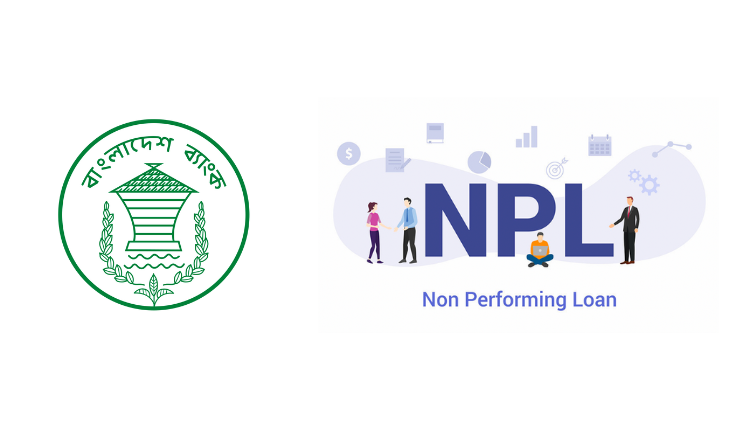
In a recent report by Bangladesh Bank, the banking sector faces heightened concerns as defaulted loans concentration spikes by 30% among the top five banks in the second quarter of 2023. The concentration of non-performing loans (NPLs) in these banks reached approximately Tk 75,000 crore, a substantial year-on-year increase. Reportedly, the NPL ratio for the top five banks rose to 47.97% in June 2023, reflecting a 4.51 percentage point surge from March.
Total defaulted loans in the banking sector stood at Tk 156,000 crore as of June last year, with the top 10 banks holding Tk 101,315 crore, according to Bangladesh Bank’s findings. The Financial Stability Assessment Report underscored concerns about the escalating concentration of NPLs, posing potential risks to the broader banking industry. While the specific banks with high NPL burdens were not disclosed, Bangladesh Bank’s annual report for the fiscal year 2022-23 pointed to state-owned commercial banks, specialized banks, and private banks as having the highest NPL rates.
Despite a modest uptick in profitability for the April-June period of 2023, the banking sector experienced challenges, including a 3.9% growth in assets. Asset quality, however, declined with the NPL ratio rising to 10.11% by the end of June 2023 from 8.80% at the end of March 2023. Reportedly, credit risk emerged as a significant factor impacting capital adequacy, with a 3% increase in NPLs presenting a severe threat. The report indicated that such an increase, coupled with the default of the top three borrowers, could lead multiple banks to fall below the minimum required Capital to Risk-weighted Asset Ratio (CRAR).
While the banking industry demonstrated resilience to market risks like exchange rate and equity price shocks, it was identified as slightly vulnerable to interest rate shocks. Despite these challenges, the report concluded that, under all market risk scenarios, the banking sector would maintain a CRAR above the minimum requirement.
For more updates, follow Markedium.















Leave a comment