





























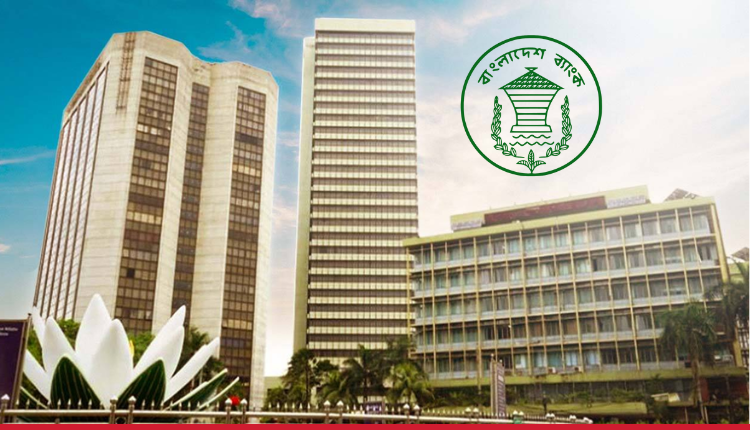
In a bold move to shore up the country’s struggling banking sector, Bangladesh Bank has imposed tough new restrictions on dividend payouts, effectively barring banks with over 10% non-performing loans (NPLs) from rewarding their shareholders in 2025, reportedly.
The directive, issued on March 13, signals a tightening grip on banks with weak financials. As of December 2024, 23 out of 61 banks had NPLs exceeding the 10% threshold, with the industry’s average NPL ratio soaring beyond 20%, largely due to state banks’ hefty classified loans.
Under the revised framework, banks can no longer offer cash dividends from retained earnings. Those failing to meet their statutory cash reserve ratio (CRR) or statutory liquidity ratio (SLR) obligations – or having outstanding penalties – will be ineligible for dividend payouts altogether.
Even compliant banks face stricter limits:
- Max 30% dividends for banks with sufficient capital buffers.
- Up to 50% dividends only for banks with a capital adequacy ratio (CAR) of at least 15%, provided the payout doesn’t drop their CAR below 13%.
- Up to 40% dividends for those with a CAR of at least 12.5%.
- Stock dividends only for banks with CAR between 10% and 12.5%.
With the tougher loan classification rules kicking in from April 2024, industry insiders predict a significant number of banks will be disqualified from paying dividends next year.
Read more: NBR Grants Companies More Time to File Tax Returns
Several private bank managing directors have exposed a troubling trend: sponsor-directors allegedly take out anonymous loans through mutual agreements and then default on repayments—weakening the banks’ financial standing. Despite poor balance sheets, these directors, who hold major stakes in their banks, still approve dividends to benefit themselves.
The new regulations could help curb these irregularities. Syed Mahbubur Rahman, MD of Mutual Trust Bank, acknowledges the policy is stricter but sees it as a step toward better governance and financial discipline in the sector.
While the rules may disappoint shareholders, policymakers hope they will compel banks to prioritize financial stability over short-term payouts—ultimately strengthening the foundation of Bangladesh’s banking system.
For more updates, be with Markedium.












Leave a comment